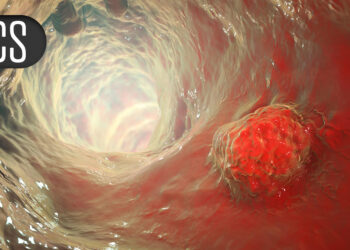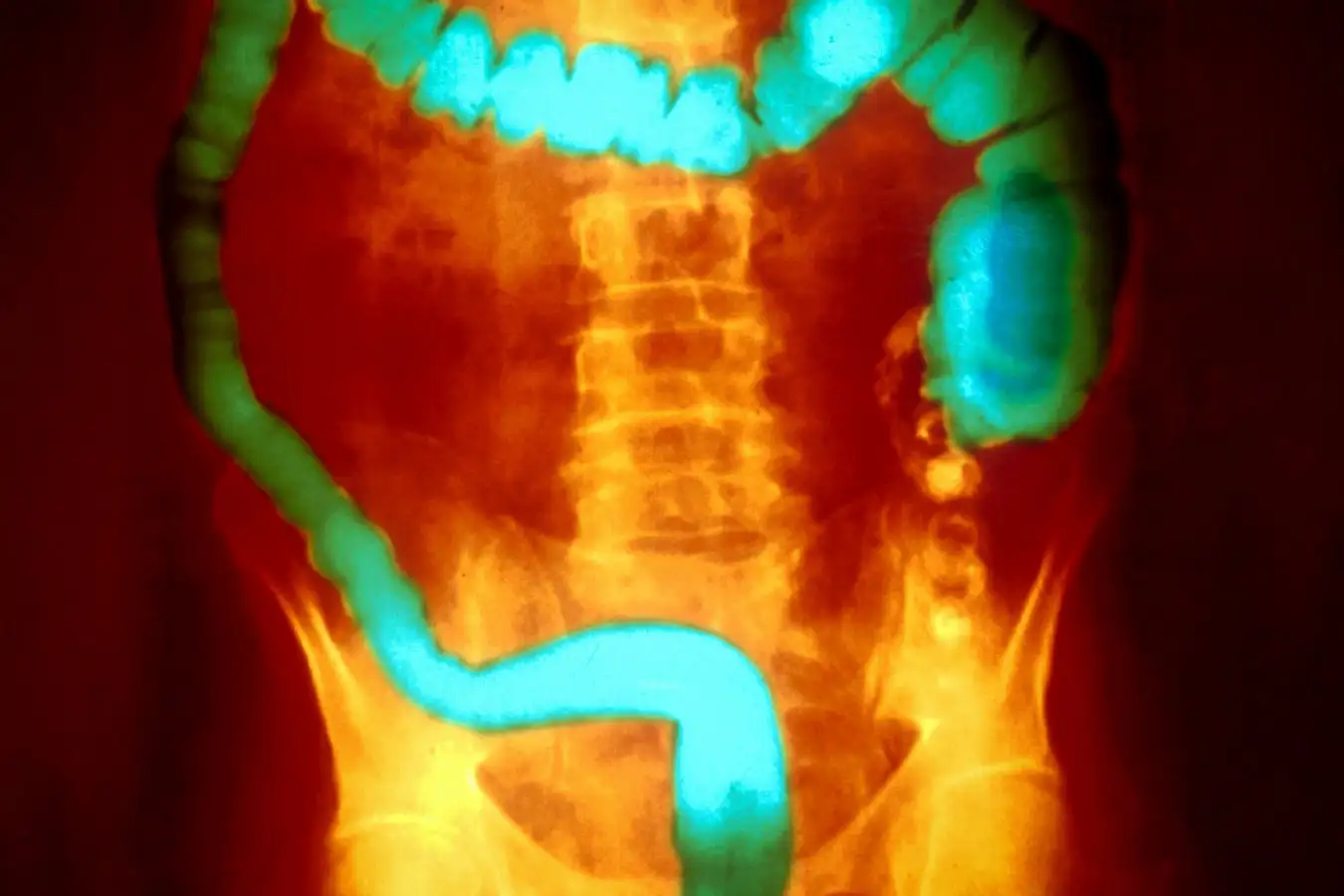
Ulcerative colitis is characterised by inflammation of the lining of the colon and rectum
BSIP SA/Alamy
A toxin produced by bacteria found in dirty water kills off immune cells in the lining of the colon, meaning people whose guts are colonised by these bacteria are much more likely to develop a condition known as ulcerative colitis.
That is the conclusion of a series of studies in people and animals conducted by Xuena Zhang at Nanjing University in China and her colleagues. If this finding is confirmed, it could lead to new treatments for the condition.
Ulcerative colitis is one of the two main kinds of inflammatory bowel disease, or IBD. It is characterised by inflammation of the lining of the colon and rectum. People typically have periods of no symptoms that alternate with flare-ups. The most serious cases can require the removal of the colon.
The causes of ulcerative colitis have been uncertain, but it is usually regarded as an autoimmune disease with complex environmental and genetic causes. Zhang and her team suspected that immune cells known as macrophages might play a role.
Macrophages are found in most tissues in the body, where they mop up any debris or bacteria and also help regulate local immune responses. They can sound the alarm to call in more immune cells, causing inflammation, but – crucially – they can also sound the all-clear, reducing inflammation.
In colon tissue taken from people with ulcerative colitis, the researchers found lower levels of resident macrophage cells than in people without the condition. They then showed that killing macrophages in the colons of mice made them more susceptible to colitis. The researchers think the loss of the protection usually provided by the macrophages results in the lining of the colon becoming damaged and inflamed.
But why were macrophage levels lower in people with ulcerative colitis? By testing samples of faecal bacteria from people with the condition, the team found a toxin called aerolysin, which turns out to be highly damaging to macrophages but has little effect on other cells in the gut.
Aerolysin is produced by some strains of bacteria in the genus Aeromonas, which are commonly found in fresh and brackish waters. The researchers call the strains that produce aerolysin MTB (macrophage-toxic bacteria).
When the team deliberately infected mice with MTB, this made them more susceptible to colitis. But if the gene for aerolysin was deleted from the bacteria, or if the toxin was neutralised by antibodies, the mice didn’t become more susceptible to colitis.
Finally, the researchers looked for Aeromonas bacteria in stool samples. They found them in 72 per cent of 79 people with ulcerative colitis, but only 12 per cent of 480 people without the condition. This test couldn’t reveal whether these bacteria were MTB and therefore if they produced aerolysin.
Overall, the studies point to a complex picture. Not every case of ulcerative colitis may involve MTB, and people can also have MTB in their guts without developing colitis.
“We cannot conclude that MTB is the sole cause of ulcerative colitis,” says Zhang. “Persistent MTB infection can induce a hypersensitive state in the colon, but this does not mean that every infected individual will develop colitis.
“The occurrence of colitis in this context is undoubtedly influenced by environmental and genetic factors,” she says.
There are at least three potential approaches for developing new treatments, says Zhang. One would be to develop drugs that neutralise the toxin. Another would be to develop vaccines targeting either the toxin or the bacteria that produce it. The third would be to use viruses that kill specific bacteria, known as phage therapy, to eliminate the toxin-producing bacteria.
“The case is strong for the MTB toxin disrupting gut immunity by depleting special macrophages in the gut tissue,” says Martin Kriegel at University Hospital Münster in Germany.
He points out that when the team killed off all gut bacteria in mice, then infected them with MTB, the animals didn’t become more susceptible to colitis. This suggests other, as-yet-unidentified bacteria also play a role.
“Nevertheless, it may represent an important, missing factor in the multi-step pathogenesis of ulcerative colitis, at least in China,” says Kriegel.
Zhang and her team now plan to do wider epidemiological studies to try to confirm the link between MTB and ulcerative colitis. If MTB infections do play a role and are becoming more common, it might help explain why the incidence of IBD is rising.
Topics:
Source link : https://www.newscientist.com/article/2505175-common-type-of-inflammatory-bowel-disease-linked-to-toxic-bacteria/?utm_campaign=RSS%7CNSNS&utm_source=NSNS&utm_medium=RSS&utm_content=home
Author :
Publish date : 2025-11-20 19:00:00
Copyright for syndicated content belongs to the linked Source.