
 Getty Images
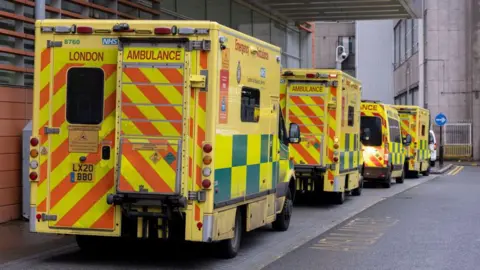
The number of 999 calls in London has risen over the past week, with London Ambulance Service (LAS) reporting its three busiest days of 2025 in a row.
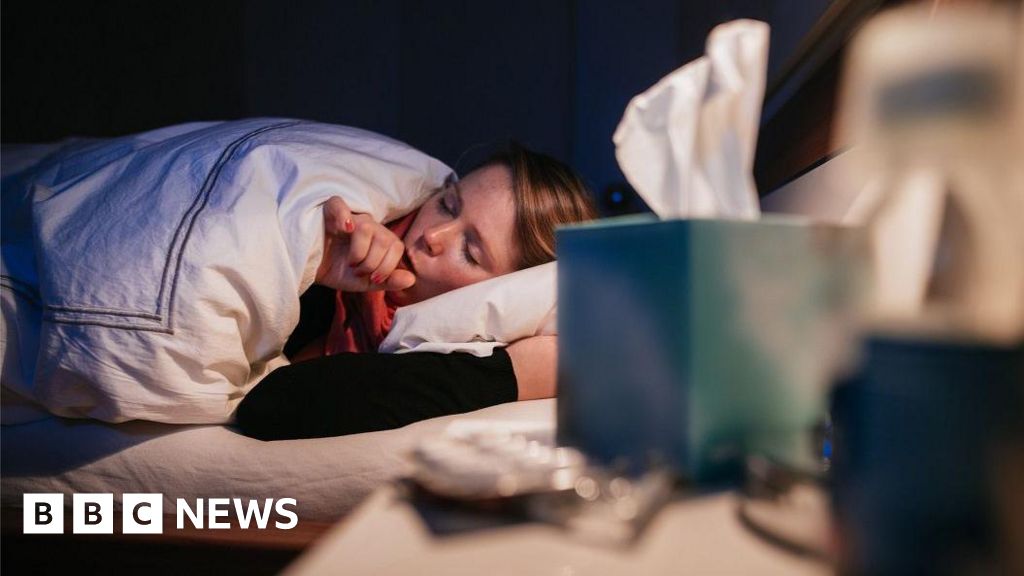
The service said the 20% increase included more calls from people with breathing difficulties due to viral infections and respiratory illnesses such as the flu.
NHS figures indicate fewer than half of eligible people in London have had the free flu vaccine this season.
Experts have predicted the worst flu season for a decade, fuelled by a new type of a flu virus.
Christmas flu
LAS strategic commander Laurence Cowderoy said the service had prepared for winter for many months, but still urged Londoners to “only call 999 in a life-threatening emergency”.
He said the high call rate was “more typically seen on New Year’s Eve”.
Operations to cope with demands over the winter period include:
- 460 ambulances out on the road during peak demand
- Use of AI
- More phone appointments
- A redirect system where patients are moved to ease pressure
Karen Bonner, the regional chief nurse for London, said NHS staff had already seen the impact of the new flu strain with people coming into accident and emergency departments with symptoms.
“We know it’s a pretty bad flu this year – we know that from seeing it in Australia and other places – so, we really want to protect people,” she said.
London Ambulance Service calls
Thursday 27 November – 7,356
Friday 28 November – 7,608
Saturday 29 November – 7,409
Sunday 30 November – 6,776
(London Ambulance Service normally takes around 5,500 calls on a “typically busy day”)
 Getty Images
NHS England reported 1.7 million people have taken up a free flu vaccination so far this season in London – about 46% of those eligible.
Who is eligible for the flu jab?
- pregnant women
- all children aged 2 or 3 years on 31 August 2025
- children with certain long-term health conditions (aged 6 months to less than 18 years)
- primary & secondary school aged children (from reception to Year 11)
- all children in clinical risk groups aged from 6 months to under 18 years
- everyone aged 65 years and over
- individuals aged 18 to under 65 with certain long-term health conditions
- care home residents
- carers in receipt of carer’s allowance, or those who are the main carer of an elderly or disabled person
- those living with people who are immunocompromised
- frontline health and social care workers
Source link : https://www.bbc.com/news/articles/ckgk5vr7j1yo?at_medium=RSS&at_campaign=rss
Author :
Publish date : 2025-12-02 06:14:00
Copyright for syndicated content belongs to the linked Source.