- Colorectal cancer in people under 50 is on the rise and is now the leading cause of cancer-related death for younger adults.
- Experts say it’s still unclear why cases are rising among people under 50.
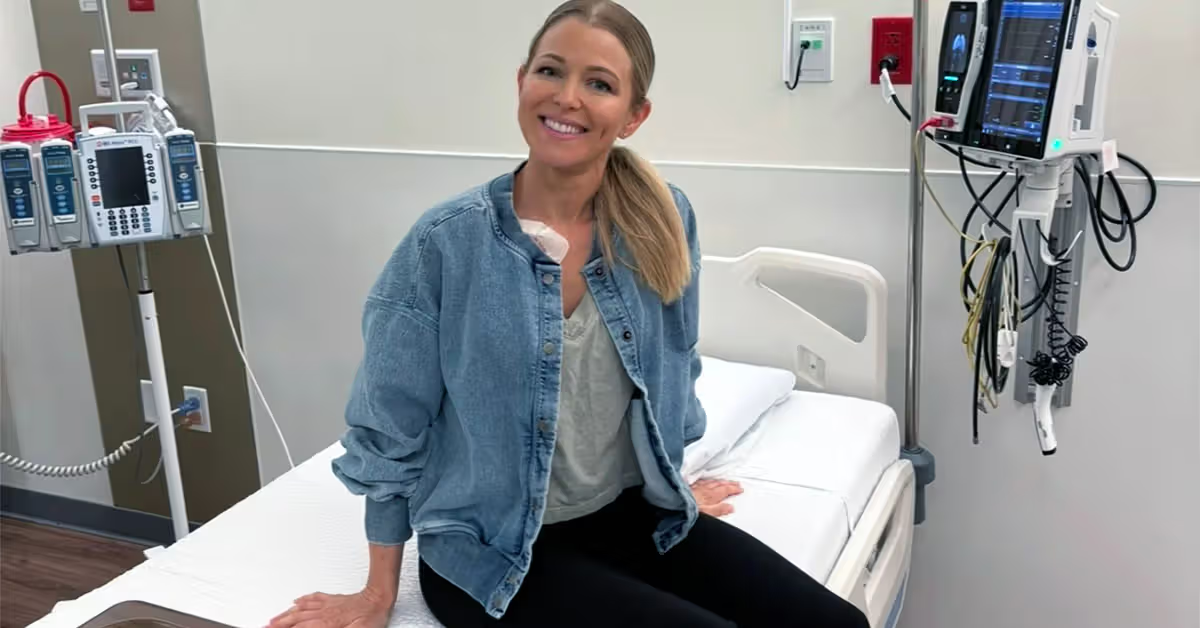
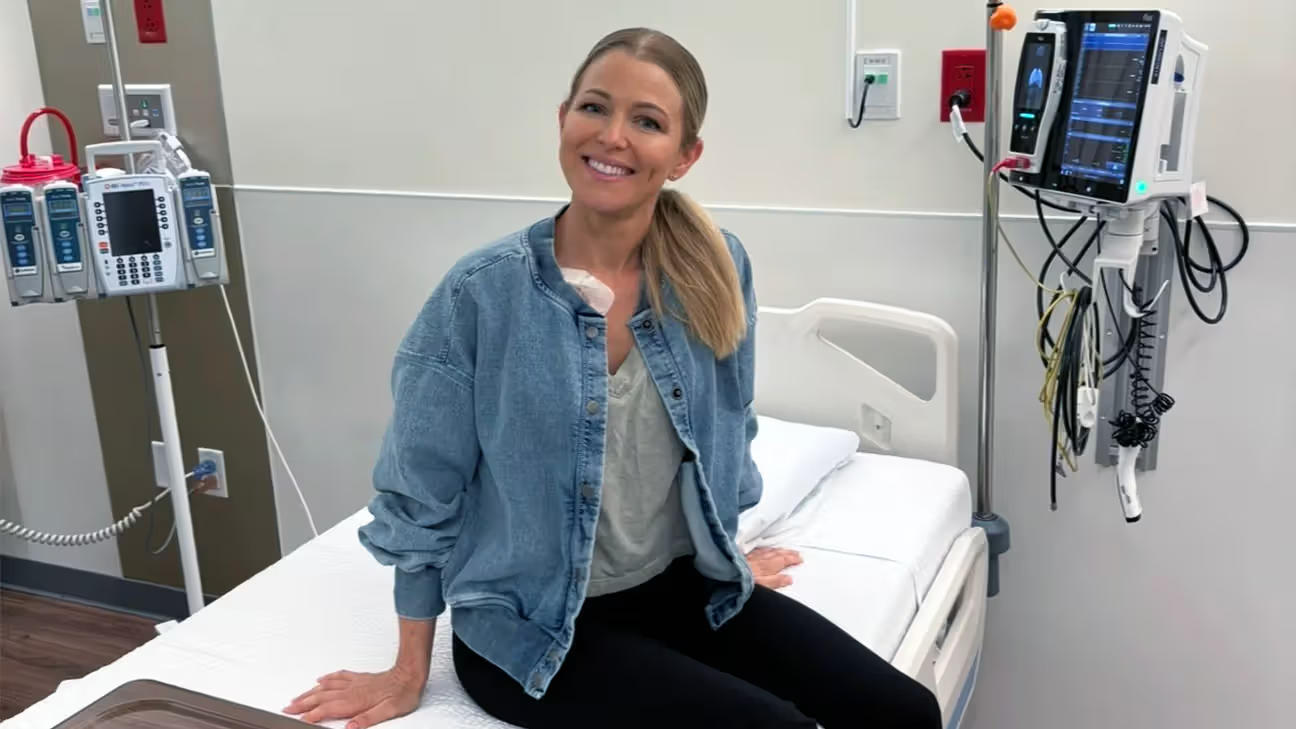
- 37-year-old Gabby Zappia is sharing her journey navigating diagnosis and treatment after her initial symptoms were misdiagnosed as pregnancy-related.
In 2024, Gabby Zappia was 36 years old and pregnant with her third child when she noticed blood in her stool.
“I brought it up to my OB, and she said it was likely pregnancy-related hemorrhoids. That explanation made sense, and I wanted it to make sense, so I trusted it,” she told Healthline.
After her son was born, her symptoms persisted, and she pushed for answers.
“A colonoscopy changed my life overnight. Instead of finding hemorrhoids, they found a large mass in my colon,” Zappia said.
In December 2024, Zappia was diagnosed with stage IV colon cancer that had spread to her liver.
“I was a full-time mom, managing all aspects of my kids’ schedules, and I also had a small part-time job,” she said. “After my diagnosis, I had to stop working to focus on appointments and recovery. My husband took over most of the day-to-day tasks that I had handled, and I had to step back significantly in my role as a mom.”
Zappia immediately had a colon resection and, after recovering, started chemotherapy and immunotherapy in January 2025 at City of Hope.
In April 2025, she took a break from chemotherapy and underwent liver resection surgery and implantation of an HAI pump. Then she resumed chemotherapy after recovery.
“After 15 rounds of chemotherapy, I was declared no evidence of disease and rang the survivor bell in September 2025. A few months later, ctDNA tests showed cancer detection, and a PET scan confirmed activity in my liver,” said Zappia.
She underwent another liver surgery in January 2026. Because her ctDNA remains detectable, she is now exploring clinical trials.
“Colon cancer is no longer just a disease of older adults, and it is on the rise. You know your body better than anyone. If something feels off, ask questions and request additional testing. Push for answers. Ask for the colonoscopy,” Zappia said.
If you’re not being heard, she stressed seeking a second opinion.
“We need more awareness. We need to listen to young patients. I am just one of many young faces of colon cancer, and if sharing my story helps even one person catch their cancer earlier, then sharing this journey has purpose,” said Zappia.
Once considered an older person’s disease, colorectal cancer is now the leading cause of cancer-related death in adults under 50.
According to a January 2026 JAMA study, colorectal cancer has surpassed breast and lung cancer to become the leading cause of cancer-related deaths in U.S. adults under 50.
Physicians at City of Hope, where Zappia received treatment, say they are now treating dozens of patients in their 20s, 30s, and 40s each week, reflecting what’s happening nationwide.
Pashtoon Kasi, MD, MS, Medical Director of GI Medical Oncology at City of Hope Orange County, who treated Gabby, said three out of four people under the age of 50 are diagnosed with advanced disease.
“There are no screening guidelines for somebody below the age of 45. It’s important to reiterate that the age of screening has moved from 50 to 45, [but] we’re frequently seeing individuals in their 20s, 30s, 40s, and because there is no screening test when they’re diagnosed, they’re often advanced or metastatic,” Kasi said.
While genetics can be a factor in a small percentage of early onset colorectal cancer, Kasi said the rise of colorectal cancer in younger people often occurs in people without any risk factors.
Researchers are looking into possible contributing factors, such as antibiotic use, the microbiome, diet, and
Paying attention to your body and symptoms is the strongest defense right now, said Kasi.
“A lot of our individuals, of course, they are young, so we’ve seen this cancer being diagnosed during or after pregnancy, and often it gets labeled as hemorrhoids or something that is not concerning, but in hindsight, probably should have warranted attention earlier,” he said.
Symptoms like rectal bleeding — which researchers say is a strong indication of early onset colorectal cancer in adults under 50 — changes in bowel habits, unexplained pain, and unintentional weight loss should be taken seriously.
“[The] fact that, at least right now, we don’t have guideline-approved screening tests for these younger individuals, these are symptoms that do warrant more attention,” Kasi said.
According to City of Hope doctors, researchers are working on ways to improve treatments, including an emphasis on improving immunotherapy response, targeted therapies, and conducting clinical trials for rectal cancer that combine chemotherapy, immunotherapy, and radiosensitizers.
Exploration of cellular and CAR-T therapies in highly refractory cases is also underway.
Ajay Goel, PhD, professor and Chair of the Department of Molecular Diagnostics and Experimental Therapeutics at City of Hope, is working on blood-based tests to detect colorectal cancer in younger patients.
“Over the past decade or so, [we] have developed now a blood-based test, which can find evidence of early onset colon cancers, with fairly high accuracy. So, somewhere in 90% accurate test for finding patients with young-onset colon cancer. So that was quite exciting,” he said.
While the test is not available publicly yet, Goel said it is promising. He envisions the test being given as part of annual labs drawn by primary care doctors starting with patients as young as 18.
“We are continuing to work on this, and we are hoping that we can, at some point, bring this test to the clinic once we can validate it in larger patient populations,” he said.
Source link : https://www.healthline.com/health-news/colon-cancer-symptoms-misdiagnosed-pregnancy-related
Author :
Publish date : 2026-03-04 13:08:20
Copyright for syndicated content belongs to the linked Source.