Welcome to Culture Clinic, MedPage Today‘s collaboration with Northwell Health to offer a healthcare professional’s take on the latest viral medical topics.
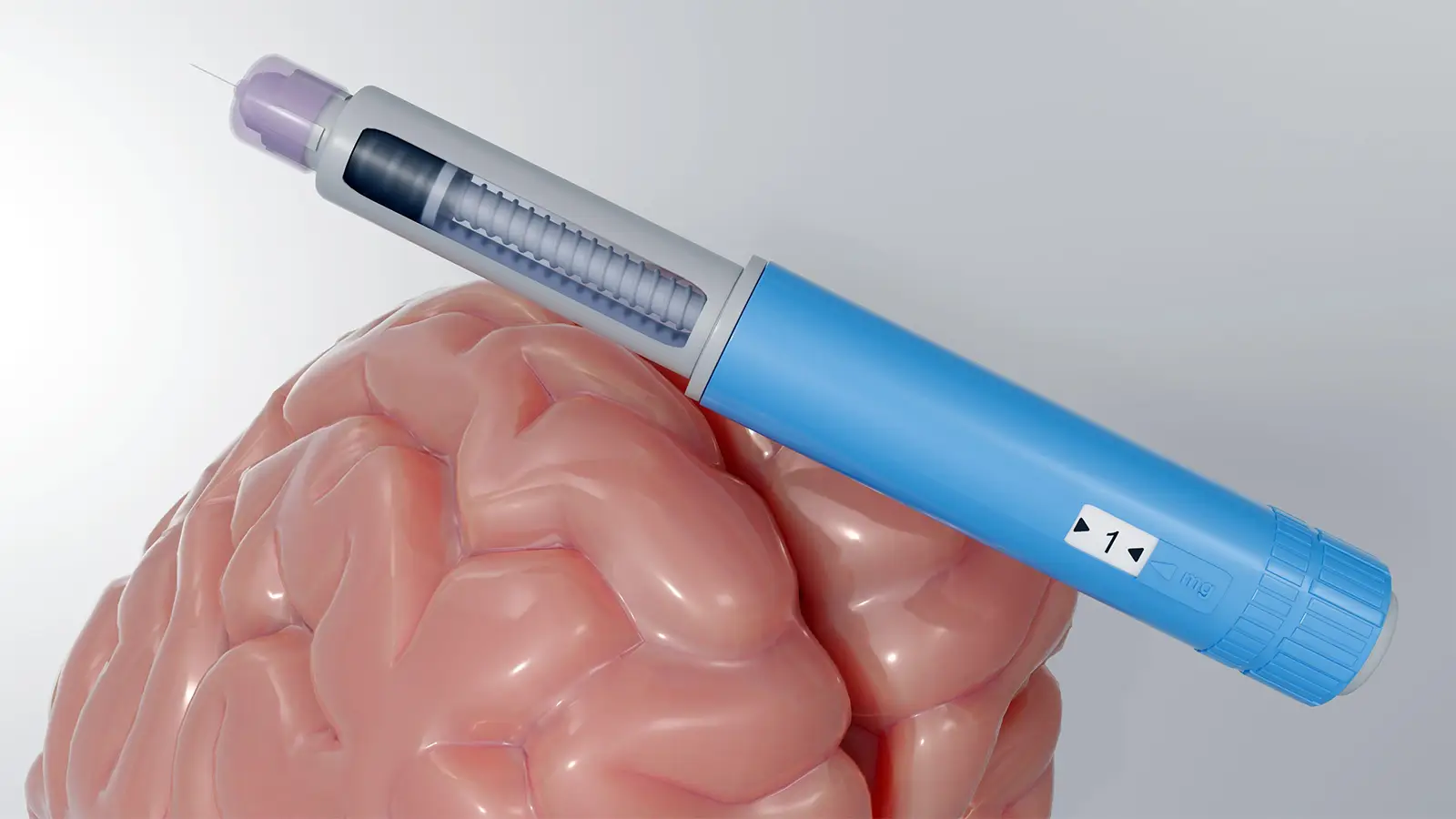
Many patients taking glucagon-like peptide-1 (GLP-1) receptor agonists have reported psychological benefits alongside reduced food noise and weight loss. But some patients have reported a more negative experience — a sort of emotional flattening colloquially referred to as “Ozempic personality.”
An article in the Washington Post described it as “a dulled response not just to food but to other sources of joy such as reading, listening to music, dancing, gardening — or even sex.”
But according to weight-loss experts interviewed by MedPage Today, the vast majority of patients don’t have to worry about “Ozempic personality.”
Deena Hailoo, MD, director of obesity medicine at Northwell Health’s Huntington, Syosset, and Plainview hospitals on Long Island in New York, said that out of the thousands of patients she’s seen on GLP-1s, nearly all feel happier, not emotionally flattened. And for those who have felt down, it’s been transient and passed within a month.
The decrease in food noise — often defined as persistent thoughts about food — can be a big shift for patients who had been using food as a reward or a crutch. “So when you take away that desire for food, then it kind of becomes, ‘Now what do I do?'” Hailoo said.
Dina Hirsch, PhD, clinical director for Northwell behavioral weight management and bariatric psychology in Syosset, New York, said that since GLP-1s dampen the reward people experience from food, they may “inadvertently also dampen other reward-seeking behaviors in other parts of their life,” which is often beneficial for other crutches like alcohol.
However, Hirsch noted that it’s not uncommon for patients seeking weight-loss treatment to already have baseline depression. Many don’t feel good about their appearance or health conditions, and some have low self-esteem and social anxiety. Sometimes people who lose weight are treated differently than when they weighed more, which can be distressing.
“That’s where I think therapists are so important,” Hirsch said. “We’re there to help them find another way to cope with stressors — rather than using food, which they really can’t use anymore — and to help them move from food-based rewards to other sources of happiness and joy and pleasure.”
That can look like helping patients connect with hobbies and social opportunities that also give them a dopamine surge. As a whole, Hirsch thinks that all people on GLP-1s should be screened by a mental health professional, especially if they have a history of eating disorders or mental health conditions. Considering GLP-1s are still relatively new, there’s not a ton of research on the psychological effects, Hirsch said.
Back in 2023, the FDA investigated a potential risk of suicidality with GLP-1s, but ultimately cleared them and said manufacturers could remove the warning from labels. Other research has found that patients who already had depression or anxiety were less likely to have mental health worsening while taking a GLP-1.
As patients taking GLP-1s navigate a new relationship to food, it’s vital they have a team of physicians, therapists, and nutritionists to support them, experts said. Some patients struggle to eat a balanced diet while eating less. Others may need to work with their medical team to find the right dose for maximum benefit and minimal negative side effects.
“I do think sometimes people have unrealistic expectations about what weight loss is going to do for their overall quality of life,” Hirsch said. It’s not realistic for patients to think that their whole life will change as their weight loss journey progresses, and for patients who rest hopes for a new life on taking GLP-1s, she said many end up depressed when it doesn’t happen.
While a handful of patients have experienced emotional dampening, Hirsch said that for most, “getting rid of that food noise brings them a lot of joy and freedom and happiness.”
Source link : https://www.medpagetoday.com/popmedicine/cultureclinic/120936
Author :
Publish date : 2026-04-23 21:43:00
Copyright for syndicated content belongs to the linked Source.