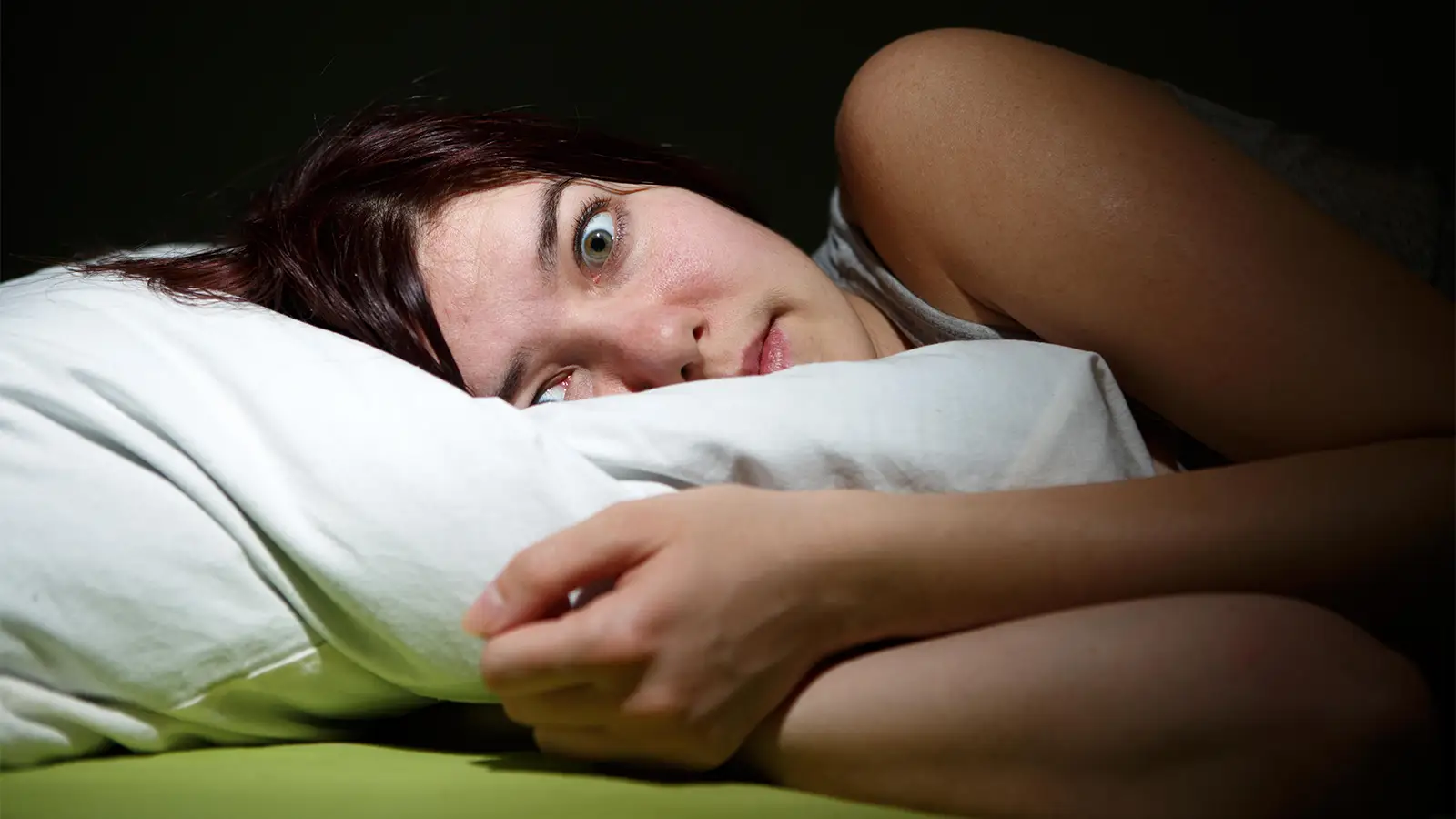
- Just over half of American adults woke feeling well-rested most days or every day, according to a 2024 CDC survey.
- About 30% of adults slept less than 7 hours per night, and many struggled with falling or staying asleep.
- Sleep troubles were more common among women, and 13% of adults used some form of sleep aid to cope.
Nearly half of U.S. adults may not be getting enough sleep, CDC survey data suggested.
In 2024, 30.5% of adults slept less than 7 hours per night on average, falling short of recommended guidelines, said Amanda Ng, PhD, MPH, of the National Center for Health Statistics (NCHS) in Hyattsville, Maryland, and co-authors.
Only 54.8% of Americans woke feeling well-rested most days or every day, Ng and colleagues reported in NCHS Data Brief.
Overall, 15.4% had trouble falling sleep, and 18.1% had trouble staying asleep. Women were more likely than men to have trouble falling and staying asleep, and were less likely than men to wake up well-rested.
Other NCHS research also showed that 12.9% of adults used sleep aids to help them fall or stay asleep in 2024.
“Overall, 5.2% of adults used prescription medications, 5.7% used over-the-counter medications or supplements, and 3.7% used marijuana or cannabidiol products as sleep aids,” wrote Laryssa Mykyta, PhD, and colleagues in a separate report published in NCHS E-Stats.
Sleep is an integral part of health, noted Michael Grandner, PhD, of the University of Arizona College of Medicine in Tucson, who wasn’t involved with the research.
“Our need for sleep parallels our need for air and water,” Grandner told MedPage Today. “Yet, our society still often sees sleep as unproductive. This is a problem because sleep health is so important to cardiovascular health, metabolism and weight management, immune function, mental health, and our ability to think clearly and make healthy choices.”
The American Academy of Sleep Medicine (AASM) recommends at least 7 hours of sleep or more in a 24-hour period for adults, Ng and co-authors noted. An earlier survey showed that approximately 28% of American adults slept less than 7 hours in 2020, they added.
The new numbers are “shockingly consistent” with data from prior years, observed AASM spokesperson Jennifer Martin, PhD, of Florida International University in Miami, who also wasn’t involved with the studies.
“People still don’t talk to their doctor when they’re struggling with sleep. They don’t reach out for help,” Martin told MedPage Today.
“We have a lot of industries that make money by keeping people’s face in front of a screen as late at night as possible,” she continued. “From a public health perspective, we have a lot of work to do in helping people understand that a good night’s sleep is just as important as a healthy diet and a good exercise routine in terms of maintaining their quality of life and longevity.”
The NCHS reports were based on data collected from the CDC’s 2024 National Health Interview Survey (NHIS), a nationally representative household study. The NHIS was designed to collect data from about 27,000 adults through face-to-face interviews each year, though sample sizes can be higher.
The 2024 survey question about sleep aids, for example, was based on responses from 31,509 adults. Other survey items inquired about the average amount of sleep participants had on average in a 24-hour period, and how frequently they had trouble falling or staying asleep, or woke up feeling well-rested in the past 30 days.
Sleep patterns varied across demographic groups, with adults 65 and older less likely to report difficulty falling asleep compared with those ages 18 to 34. Asian adults were more likely to wake up well-rested compared with those in other race and ethnic groups.
There are reasons to be concerned about the number of Americans who say they’re not well-rested when they wake, Martin noted.
“From a number of perspectives, this means that the way people feel when they start their workday, they’re already not at their best,” she said.
“It means that half of your employees are showing up at work tired every day. If you’re a college professor, half of your students are tired when they’re in class,” she added. “And if you work in a hospital, half of the clinicians who work there are probably feeling tired when they start their day.”
Source link : https://www.medpagetoday.com/neurology/sleepdisorders/121031
Author :
Publish date : 2026-04-29 21:35:00
Copyright for syndicated content belongs to the linked Source.