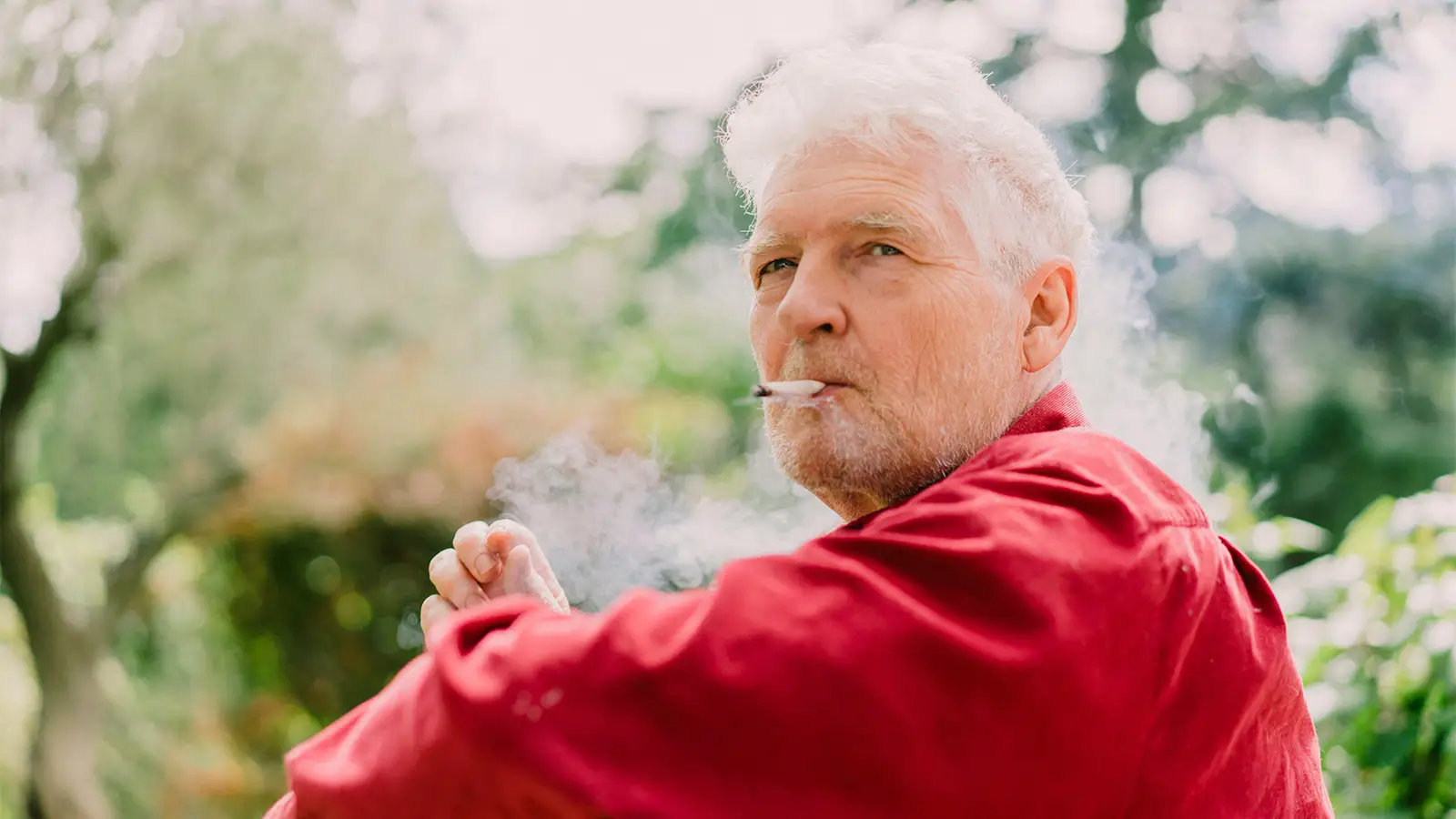
Older patients represent the group in which cannabis use is increasing most rapidly. The rates of use in this population doubled from 2005 to 2015 and roughly doubled once again from 2015 to 2018. As of 2023, roughly 7% of adults 65 and older reported using the drug in the past month. The earlier numbers might have been an undercount, however, as some people in this generation may not have felt comfortable admitting to using cannabis because of lingering stigma. But according to one study of patients ages 50 years and over, “Attitudes toward cannabis have changed over time with four of five survey respondents currently holding a favorable attitude.”
Older adults are discovering that cannabis helps them with many of the symptoms and discomforts of aging and, for some, may provide more relief than conventional pharmaceuticals — and sometimes with fewer side effects (although cannabis itself isn’t entirely free of potentially difficult side effects).
As we age, we accumulate diagnoses, specialists, and prescriptions. “Polypharmacy,” the simultaneous use of five or more medications, is common, expensive, confusing, and dangerous. I have many primary care patients who are on 10 or more different medications. But some older patients are finding that they can reduce their reliance on traditional pharmaceuticals with the use of medical marijuana. Many of my patients have experienced improved symptom relief, relaxed mood, and a better health-related quality of life, as well as better-quality end-of-life care.
Chronic pain, anxiety, and insomnia, among many other symptoms, are epidemic in the 65-and-older crowd. With good intentions, doctors tend to throw medication after medication at these symptoms and ailments. The cost — and side effects — can be additive. In other words, when we prescribe a medication, it may alleviate one symptom but aggravate another. For example, we might prescribe a sleeping medication that results in worsened fatigue, balance, and memory. Rarely do we remember to stop, strip off, or pare down medications, let alone “de-prescribe” them. Our medical system is organized for doctors to do more for patients, even though sometimes “less is more.” Often, we can help more by doing less and reevaluating treatments that have become unnecessary.
Medical cannabis is fundamentally different from most traditional pharmaceuticals in that it can help treat several symptoms at once. For example, it can help some patients with chronic pain, anxiety, and insomnia at the same time. Imagine how many fewer medicines a patient might need to take when medical marijuana comes on board. In addition, studies of medical cannabis consistently show that improved “health-related quality of life” is correlated with patient use of medicinal cannabis. At the end of the day, our health and the quality of our lives is all we have.
Conventional medical treatments for many conditions, including anxiety, insomnia, and chronic pain, can be particularly toxic to older patients. Take, for example, the case of chronic pain, which afflicts tens of millions of Americans. No doctor wishes to prescribe opioids, because they can cause falls, confusion, sedation, constipation, addiction, and delirium — to name just a few problems.
Nonsteroidal anti-inflammatory drugs (NSAIDs), such as ibuprofen (Advil, Motrin), naproxen (Aleve), or diclofenac (Voltaren) can harm — or even kill — in a variety of ways, including with bleeding, ulcers, heart attacks, and kidney failure. Indeed, we lose approximately 16,000 arthritis patients a year from overuse of NSAIDs. Just because a medication is sold over the counter doesn’t mean it is without risks. Acetaminophen doesn’t do much in the way of relieving chronic pain, and it can harm the liver. Likewise, the drug gabapentin (Neurontin), which is frequently prescribed to alleviate chronic pain, has a very modest benefit, but can make a patient feel brain-fogged and exhausted. These medications are more dangerous for older patients than they are for younger patients.
Older patients are discovering that while cannabis can help alleviate symptoms of chronic pain, it might also have a pleasant and helpful effect on their mood. This is especially true if cannabis is dosed properly — it is imperative for patients to not take too much at first, to “start low and go slow.” Taking a dose of cannabis that is too high can be a miserable experience and can even be dangerous.
Recent studies show a dramatic increase in symptom relief from cannabis in older populations, with relatively infrequent and mild side effects. In one 2018 study, Israeli researchers studied 2,736 medical cannabis patients who were over 65 years old. They found that a large majority of patients responded positively. After 6 months of treatment, 93.7% of the respondents reported improvement in their condition, and the reported pain level was reduced from a median of 8 to a median of 4 on a scale of 0-10. Most common adverse events were dizziness (9.7%) and dry mouth (7.1%). After 6 months, 18.1% stopped using opioid analgesics or reduced their dose.
These findings are consistent with my own clinical experiences with treating older adults with cannabis.
Having said that, cannabis is not for everyone. Some people have bad reactions, such as anxiety or dizziness. Other patients have fallen down or fainted, while others have medical conditions that make cannabis use even more dangerous. Some just don’t like the feeling or find that it makes them too sleepy. And, as with all drugs and medications, cannabis doesn’t work for all people. When it does work, it can be transformative.
Source link : https://www.medpagetoday.com/opinion/second-opinions/121118
Author :
Publish date : 2026-05-05 16:36:00
Copyright for syndicated content belongs to the linked Source.