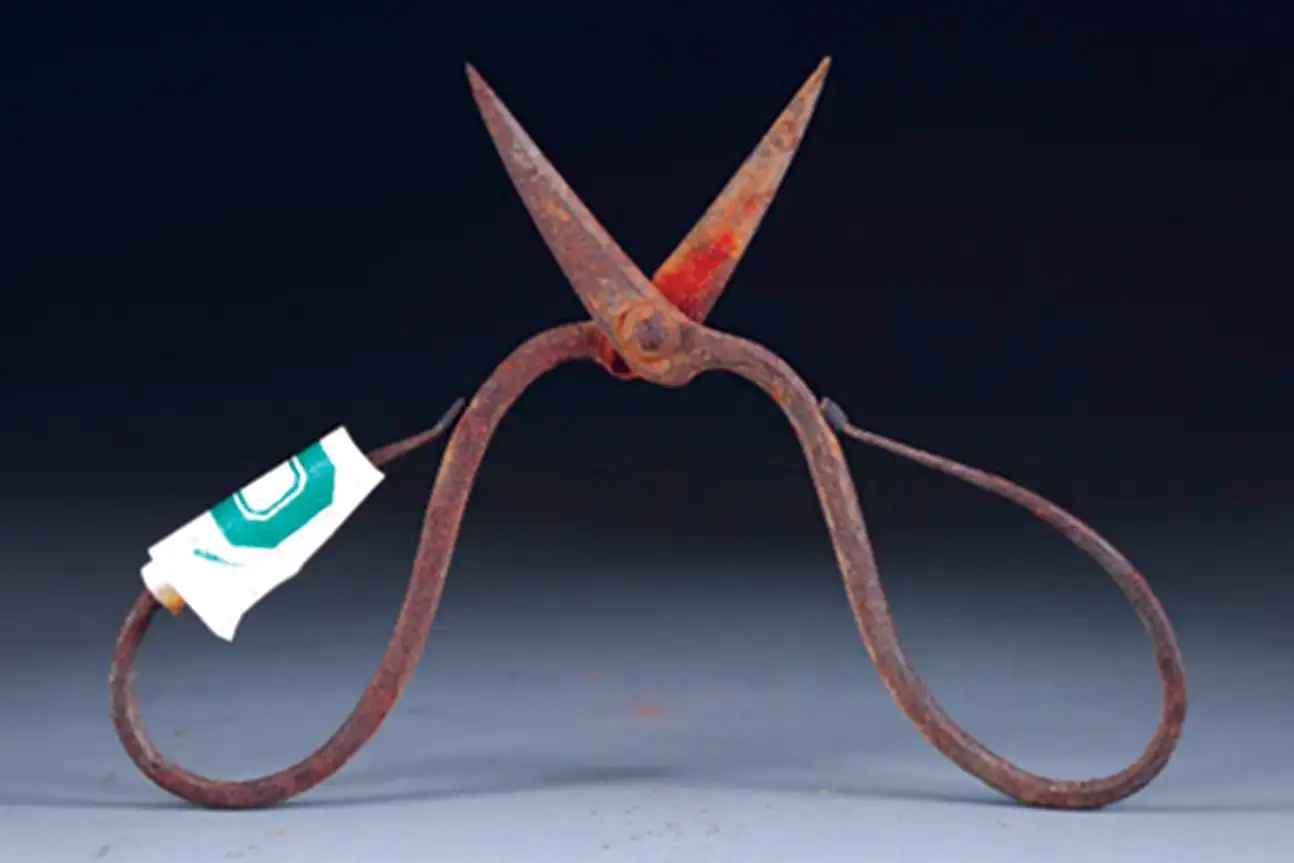
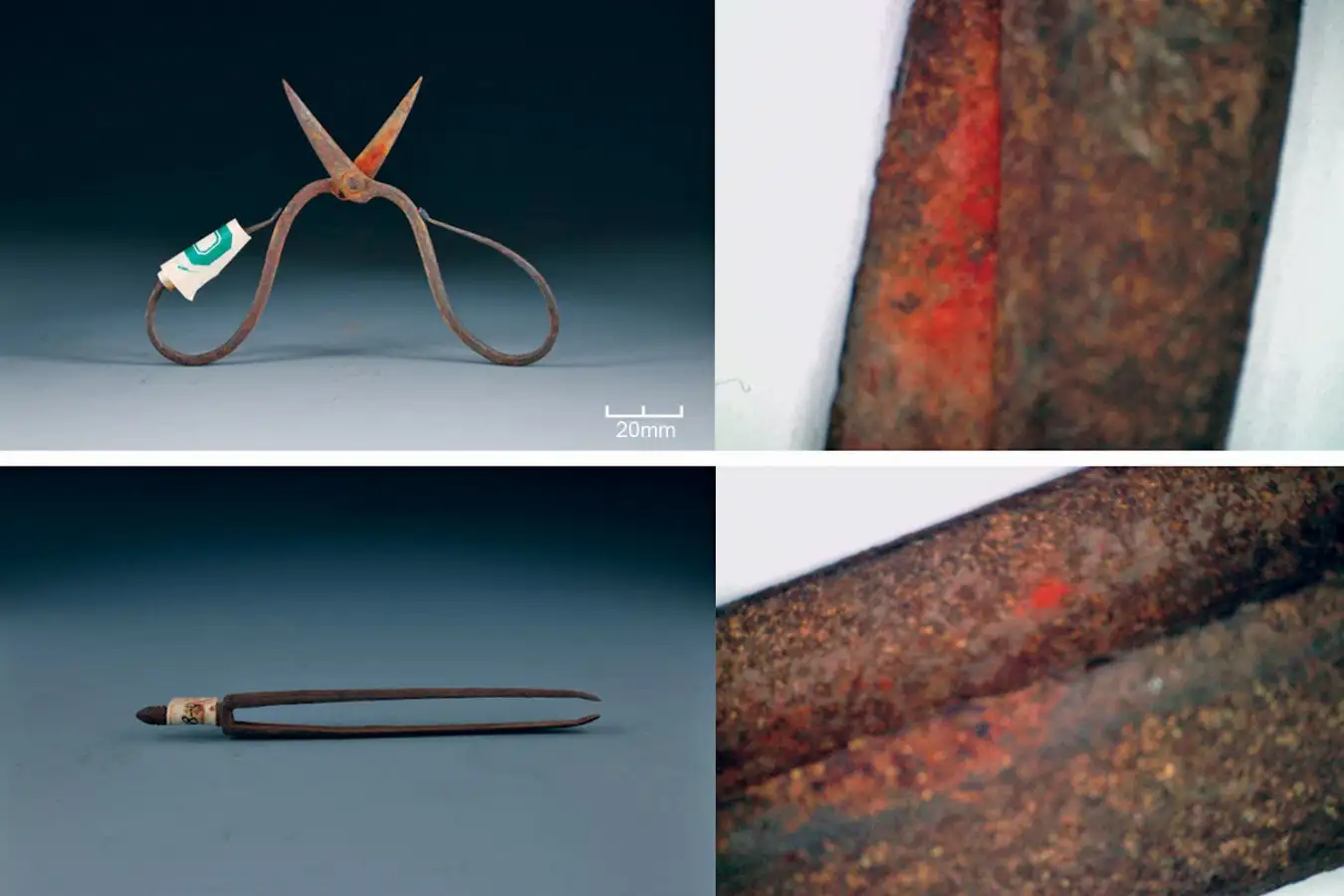
Scissors and tweezers from the tomb of Xia Quan, with residues containing the anaesthetic aconitine
Courtesy Xue Ling, et al
Two medical instruments recovered from the 15th-century tomb of a Chinese surgeon carry traces of an anaesthetic compound, the earliest chemical evidence ever found of doctors attempting to reduce the pain of a medical procedure.
The surgical scissors and tweezers were unearthed in 1974 from the tomb of a famous doctor named Xia Quan who lived from 1348 to 1411, in Jiangsu province.
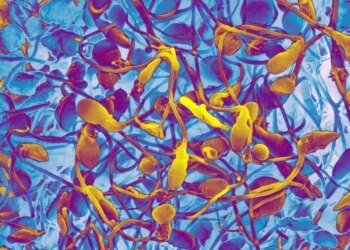
Congcang Zhao at Northwest University in Xi’an, China, and his colleagues used lasers to study the composition of residues on the instruments, revealing traces of aconitine. This compound is produced by plants of the Aconitum genus, commonly known as wolfsbane and monkshood. They are frequently listed as ingredients in ancient Chinese medicinal prescriptions.
Aconitine interacts with sodium channels in the cell membranes of neurons. At the right dose, it has an anaesthetic effect, but it is highly toxic and is rarely used today due to the risks of poisoning.
The residues are concentrated on the blades of the scissors and the tips of the tweezers, making it unlikely the presence of aconitine was due to contamination, the researchers say.
Carney Matheson at Griffith University in Brisbane, Australia, who was not involved in the research, says there’s no doubt that this is the earliest direct evidence of the use of anaesthetics.
The research suggests that early surgeons knew more about reducing pain than they have previously been given credit for, he says. “Now we can understand why this surgery may have been present or may have been so prolific and actually manageable in the past,” Matheson says.
Historical texts indicate that Ming dynasty practitioners had developed methods to mitigate the toxicity of aconitine, such as “preparation with boys’ urine, soaking in a black soybean decoction, vinegar-boiling, detoxifying with mung beans and removing the outer skin of the aconite tuber”, Zhao and his colleagues write.
Isolating the aconitine from such a toxic plant and then working out how to apply it without causing harm to the patient would have required a “tremendous amount of science”, says Matheson.
“They have to be able to get it out of the plant without harming themselves,” he says. “Then they need to process it so it can be applied to whatever they’re going to need it for, without killing themselves or hurting people. Then they have to make sure that it actually works.”
Topics:
- medical drugs /
- archaeology
Source link : https://www.newscientist.com/article/2527886-earliest-use-of-anaesthetics-uncovered-in-chinese-doctors-tomb/?utm_campaign=RSS%7CNSNS&utm_source=NSNS&utm_medium=RSS&utm_content=home
Author :
Publish date : 2026-05-26 11:24:00
Copyright for syndicated content belongs to the linked Source.