[ad_1]
On the heels of the annual World Health Assembly in Geneva, let us quickly review today’s public health scoreboard as the World Cup teams begin their travel to North America.
On May 17, the World Health Organization (WHO) Director-General Tedros Adhanom Ghebreyesus, PhD, announced that the Bundibugyo strain of the dreaded Ebola virus is spreading in west-central Africa.
The first confirmed American case, a missionary physician practicing in the Democratic Republic of Congo, was announced shortly thereafter, and the U.S. placed restrictions barring non-U.S. passport holders from entering the country if they’ve spent time in the prior 21 days in the affected regions. CDC also issued recommendations to reconsider non-essential travel to Congo and other areas.
Tedros and his team deemed this outbreak a “public health emergency of international concern.” That’s the same relatively low-key acronym that WHO initially used to describe COVID-19 in January 2020, less than 2 months before it escalated to pandemic status. While the pandemic potential of Ebola remains low, officials have said the outbreak could last months. To date, there have been more than 900 suspected cases and over 200 deaths tied to the outbreak, and Tedros said on Monday that “the epidemic is outpacing us.” No vaccine or specific treatments exist for this strain.
But that should not be a serious worry, right? The world learned its lesson from COVID-19 and created a WHO Pandemic Agreement at last year’s World Health Assembly, right?
Well, yes and no.
It turns out that the pandemic agreement hammered out at last year’s World Health Assembly is not worth the paper it is printed on until an Intergovernmental Working Group can negotiate the rules of the road for countries to share all those niggling facts and figures that drive pandemic decision making. Public health watchers assumed these rules would be approved at this year’s World Health Assembly. But alas, last month, the Intergovernmental Working Group told WHO they needed more time, specifically regarding the Pathogen Access and Benefit Sharing annex, a key part of the Pandemic Agreement.
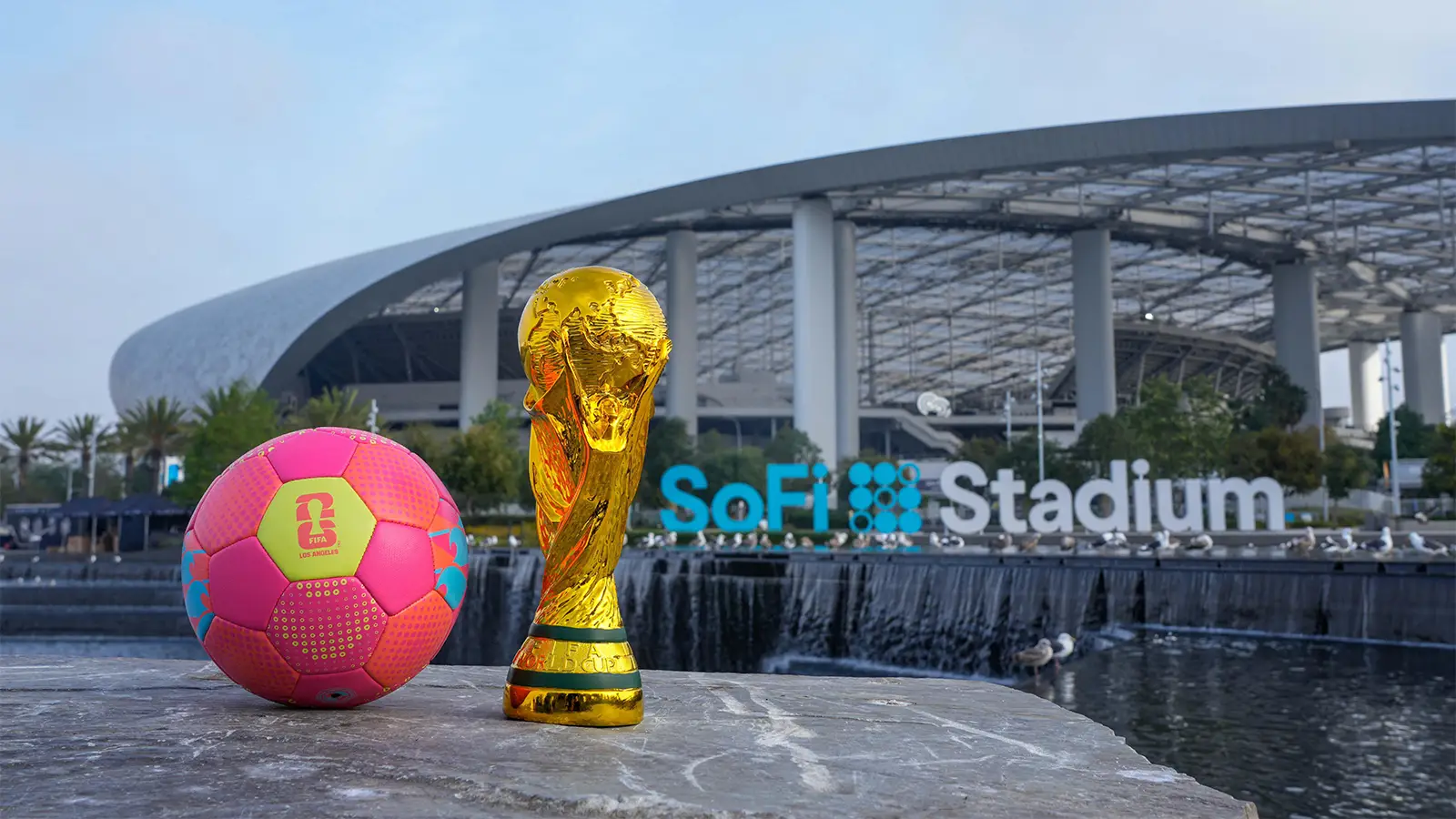
Meanwhile, the U.S. no longer belongs, talks officially, or contributes financially to the WHO. That is the same U.S. that just completely dismantled the Agency for International Development (USAID), the unilateral foreign assistance program that helped develop the infectious disease monitoring systems and provided personal protective gear in countries like Uganda and Congo. That is the same U.S. that is about to co-host, along with its Mexican and Canadian neighbors, teams and fans from 48 countries, including Congo, Cote d’Ivoire, and Ghana (all in the region near the Ebola outbreak), for the 2026 FIFA World Cup.
Although the U.S. has a small team of CDC experts helping to monitor the Ebola situation, the inclination of our federal government to take anything other than knee-jerk public health steps regarding Ebola and the World Cup appears unlikely. If we do not have effective interaction with national authorities, the global public health community, and FIFA (the governing body that organizes the World Cup), we may be missing the opportunity to communicate the real risk of Ebola, as appropriate measures can be instituted so that there is little potential to sicken people in the U.S.
So far, impacted countries appear to be taking note of the situation. The Congolese soccer team canceled its World Cup training events in Congo and plans to instead continue preparations in Belgium to comply with travel restrictions imposed by the U.S., which now includes a 21-day isolation policy before entering the country.
But responses from individual countries are not enough; a coordinated response is key.
We urge the immediate establishment of a high-level North American committee of public and private sector infectious disease and outbreak specialists from the World Cup host countries — Canada, Mexico, and the U.S. — with international advisory support. The New York City and New York State public health departments are particularly competent in this regard, as are, in our opinion, those in Boston, Chicago, and Los Angeles. These agencies could, with support from Ebola experts from WHO and Africa CDC, collaborate with FIFA on a list of measures and protocols to protect the health of athletes and fans who are preparing to attend the World Cup.
The World Cup is expected to draw millions of people from as many as 200 countries, according to FIFA ticket request and sale statistics. Strong surveillance and preparedness systems must be in place, including public communication infrastructure. Misinformation is a constant threat; at a minimum there should be a unified risk communication center offering multilingual public health messaging, trusted public health spokespersons, and daily public health advisories during the tournament.
This is not a simulation. It is a practical step that the American and global public health communities must take to prevent a worst-case scenario from undermining what we all pray will be an international celebration of sport and cooperation. At a minimum, we must have a strong communication team ready to use our hard-won infectious disease knowledge to prevent potential spread, hospitalizations, and death, and seize this as an important teaching moment to remind the world about what we must do to keep Ebola in check.
[ad_2]
Source link : https://www.medpagetoday.com/opinion/second-opinions/121432
Author :
Publish date : 2026-05-26 17:09:00
Copyright for syndicated content belongs to the linked Source.