A major change to how the popular President’s Emergency Plan for AIDS Relief (PEPFAR) program operates took effect on June 1, which experts warn will result in a massive decline in the U.S.’s public health presence abroad.
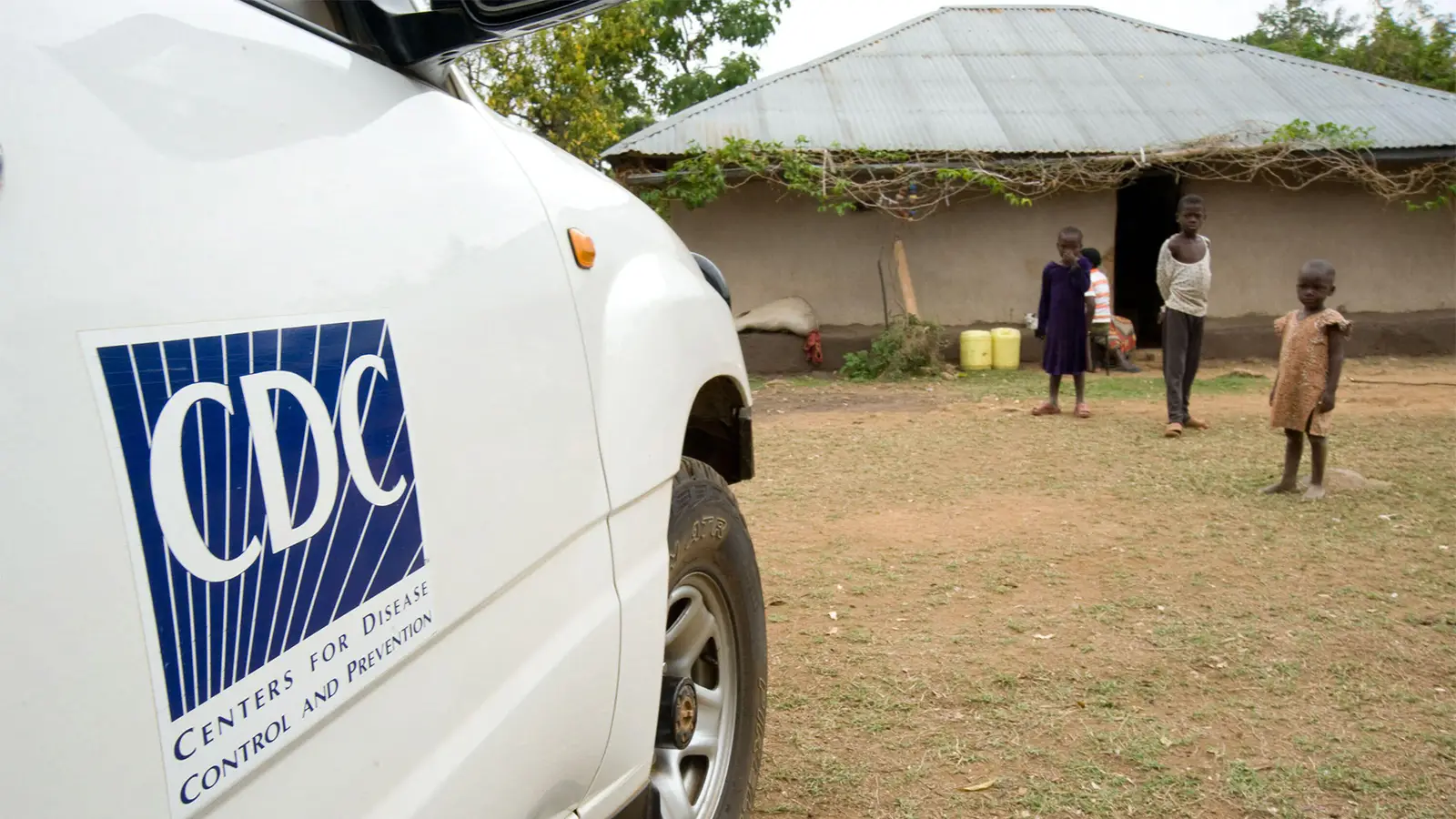
Historically, the U.S. State Department brokered Congress-appropriated dollars for PEPFAR programs and CDC would receive approximately $2 billion in PEPFAR funds annually for the agency’s programs around the world. But under the new plan, foreign nations will choose à la carte what services they want to buy from CDC, though countries that receive more than $125 million in U.S. aid will have to purchase a minimum package.
The new guidance is part of the Trump Administration’s “America First Global Health Strategy” and was first brought to light by Emily Bass, an AIDS activist who has written a book about PEPFAR, last month on her Substack. In a document detailing the government’s strategy, the State Department claims that this “America First” approach will disrupt a “culture of dependency” in how U.S. global health programs currently operate. But slipped in there is that foreign health assistance from the U.S. could also leverage access to other countries’ resources, like key minerals.
Tom Frieden, MD, MPH, who served as CDC director from 2009 to 2017 and is now president and CEO of the nonprofit Resolve to Save Lives, told MedPage Today that “the underlying concept is a good one, with countries deciding what services they want partnership on and with which partners. But the reality is that you cannot order off a menu if the restaurant is closed, and this approach would end CDC’s ability to support partner countries and protect Americans.”
Frieden noted that under this State Department plan, the funding that CDC receives from PEPFAR could plummet to $150 million, or 7% of the fiscal year 2025 level, which is not nearly enough to continue the agency’s global operations.
Frieden and seven other former CDC directors published an op-ed in STAT last week urging the State Department to reform PEPFAR instead of “dismantling it.” They cautioned that the government’s plans could result in at least 18 CDC global outposts closing by year’s end, since most are sustained with PEPFAR funding, and up to 85% of the agency’s global presence being pulled back in the next 2 years.
“Without a transition plan and a manageable timeline, the result will not be a more effective PEPFAR — it will be the rapid dismantling of America’s overseas public health capability and the relationships that have taken years to build,” they wrote.
With only 3 months left in fiscal year 2026, it’s not likely that CDC will receive the full PEPFAR transfer this year. Still, if nothing changes, the agency will probably have to repatriate more than 100 doctors, epidemiologists, laboratory experts, and other staff in the next year, which will still take time and cost money.
Ideally, the government and other stakeholders, like CDC, would define a multi-year transition plan on how exactly country ownership will grow while maintaining longstanding scientific partnerships and global infrastructure without completely eroding the U.S.’s global health presence.
PEPFAR was launched in 2003 and has maintained bipartisan support in the two decades since. The successful and popular program has saved 26 million lives globally and prevented millions of HIV infections. It also keeps 20 million people alive by supporting HIV treatment. Slashed funding to PEPFAR and other foreign aid programs, like the U.S. Agency for International Development, were early targets of the second Trump administration, which negatively impacted international health work.
Frieden emphasized that “PEPFAR’s global impact is bigger than HIV.” For instance, labs that were built to track HIV also detect Ebola, and supply chains that deliver antiretrovirals can also move treatments for other pathogens.
In a webinar last week with MedPage Today‘s Editor-in-Chief Jeremy Faust, MD, Frieden said that the government halted the work of more than 100 organizations providing HIV care to more than 8 million patients last month. He added that a drastic change to PEPFAR would let the U.S.’s guard down against global health threats. The ongoing hantavirus and Ebola outbreaks are serious, Frieden said, but he warned that it’s possible that the next outbreak could be even worse, especially if infrastructure is not in place to handle it.
A press person from the U.S. Department of State told MedPage Today that they are “committed to ensuring continued funding for 100% of Americans employed overseas through PEPFAR funding” and are “not aware of any such closures.”
They also said CDC continues to be a vital partner and that “many CDC global health security services — including laboratory systems, disease surveillance, biosafety, and epidemiology training — are required under our implementation approach because they are essential to successful HIV programs and to protecting U.S. national security.”
The State Department did not answer MedPage Today‘s questions about if there were any changes to the previously announced June 1 plan.
Source link : https://www.medpagetoday.com/publichealthpolicy/publichealth/121611
Author :
Publish date : 2026-06-04 21:39:00
Copyright for syndicated content belongs to the linked Source.