[ad_1]
NEW ORLEANS — Petrelintide, an investigational long-acting amylin analog, induced significant weight loss with minimal side effects in the global phase II ZUPREME-1 study.
By week 28, all five investigational doses of petrelintide yielded significantly greater weight loss compared with placebo when added to a reduced-calorie diet and exercise in people with obesity or overweight.
Weight loss was maintained through a 42-week maintenance period where weight losses ranged from 8.7% to 10.7% across petrelintide groups versus 1.7% with placebo, reported W. Timothy Garvey, MD, of the University of Alabama at Birmingham, at the American Diabetes Association (ADA) Scientific Sessions.
This 10% weight loss is “a safe, moderate weight loss that most of our patients with obesity require,” noted Garvey during a press conference. “A lot of patients don’t require 25%, 30% weight loss — they don’t feel good, they have higher risk of malnutrition and changes in body composition that may be deleterious in some patients.”
Notably, the rate of diarrhea matched placebo (7.4% across pooled petrelintide groups vs 7.4%), while the rate of vomiting was lower (3.0% vs 6.2%). Nausea was more common with petrelintide (19.6% vs 6.2%), as was constipation (6.9% vs 3.7%). Most gastrointestinal (GI) events with petrelintide were mild (77%).
“These are half the rates that we observe within GLP-1 trials,” Garvey noted. “Why should our patients have to feel sick to their stomach for the privilege of having their disease treated?”
“I’m very pro-GLP-1, don’t get me wrong,” he continued. “In real-world practice, we can really minimize the [GI] side effects by slow escalation of dose and keeping patients on submaximal doses. Primary care might have a little bit more trouble with this, and that’s why I think these long-acting amylins will be more attractive as go-to medications.”
Very few participants on either petrelintide or placebo discontinued due to GI events (1.5% vs 0%) or any adverse events (4.5% vs 4.9%). “These are very low rates of drug discontinuation. Many GLP-1 trials, it approaches 5-10%,” he added.
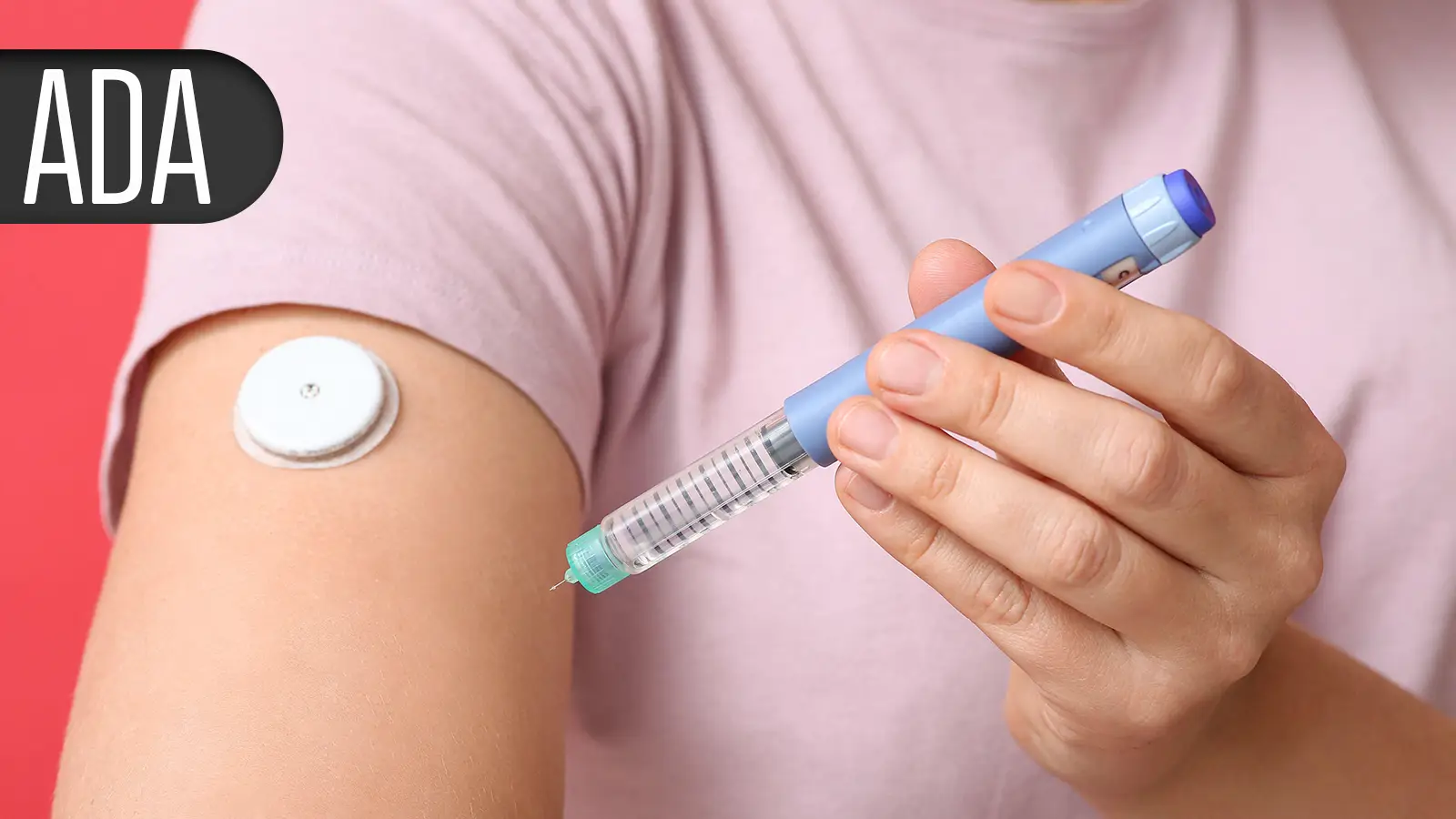
Petrelintide is self-administered by injection once weekly. It acts as a nutrient-regulated hormone that emanates from the beta cell of the pancreas and travels to relevant portions of the brain that control appetite and satiety, Garvey explained. “It binds to different cell types than GLP-1, so it has potential for additive effects and perhaps differences in adverse events, as well.”
“These amylin therapies have the properties where this could emerge as a first-line treatment in obesity — not in all patients but in most patients — because it’s well tolerated, and it’s attractive for primary care, who’s going to end up treating most of this disease,” he noted.
“If you have a patient who has at baseline a complication that’s been shown to be ameliorated by GLP-1 therapy — the patient’s had a heart attack … they have [metabolic dysfunction-associated steatohepatitis] — then you might want to start with a GLP-1 and not the amylin. That’s not to say amylin-based drugs don’t have these same clinical benefits, we just don’t know. But those are not the majority of patients that have obesity,” he continued.
“If you have a patient with a very high [body mass index] — class III obesity — who is having biomechanical difficulties, mobility issues, then you want a highly effective weight-loss medication, and you might want to go to dual and triple agonists that can achieve 25% weight loss or more,” he said.
Amylin-based therapies could also offer a potential off-ramp to patients who had initially lost weight on a GLP-1 drug and are looking for another option to maintain that weight loss, commented Julio Rosenstock, MD, of the University of Texas Southwestern Medical Center in Dallas, who wasn’t involved with the study.
“People who have had a great result with semaglutide [Wegovy] or tirzepatide [Zepbound] but they just [still have GI side effects] and they say, ‘I’ve had enough,’ amylin could be a good option. But [obesity] is a chronic disease — you need to take something,” he said.
The parallel-group, dose-finding, double-blind trial randomized 485 diabetes-free participants from one of 32 sites in the U.S., Poland, and Romania. Most (53%) were women and the average age was 47. At baseline, mean body mass index was 37 and body weight was 107 kg (236 lb).
The trial had a 4- to 16-week dose-escalation period where the study dose was upped every fourth week. Weeks 16 to 42 were a dose-maintenance period, followed by a 9-week safety follow-up. Each dose arm had its own placebo arm.
Petrelintide was also associated with improvements in selected cardiovascular risk factors by week 42. These included reductions in waist circumference (-7.9 to -10.8 cm vs -4.3 cm), high-sensitivity C-reactive protein (-17 to -41 mg/L vs -6 mg/L), and triglycerides (-12% to -21% vs -9%).
“Pulse rate actually goes down with these amylins as opposed to going up with GLP-1 agonists, and that was observed in this trial, as well,” Garvey noted.
Rates of any adverse events (70.8% vs 69.1%) and serious adverse events (3.5% vs 3.7%) were similar between the petrelintide-treated and placebo-treated groups.
Petrelintide has moved into phase III testing, but when asked, Garvey said the dose that developer Zealand Pharma is moving forward with will be released at the time of publication later this year.
“You can see there was not a big dose-response here,” he told MedPage Today, adding that this opens the door to move forward with lower doses that are both effective and potentially better tolerated.
[ad_2]
Source link : https://www.medpagetoday.com/meetingcoverage/ada/121635
Author :
Publish date : 2026-06-07 19:04:00
Copyright for syndicated content belongs to the linked Source.