[ad_1]
Neuroscience is helping to unlock the reasons why anorexia is so hard to treat
Vicki Turner
Thirteen years ago, I was on the brink of death. My nearly year-long battle with anorexia nervosa had reached a tipping point: tests showed my heart could give out at any moment, and I was rushed to the emergency room.
But I didn’t care. I only wanted to go home and celebrate my 15th birthday with the two chocolate-covered strawberries I had allotted in my self-imposed calorie restrictions.
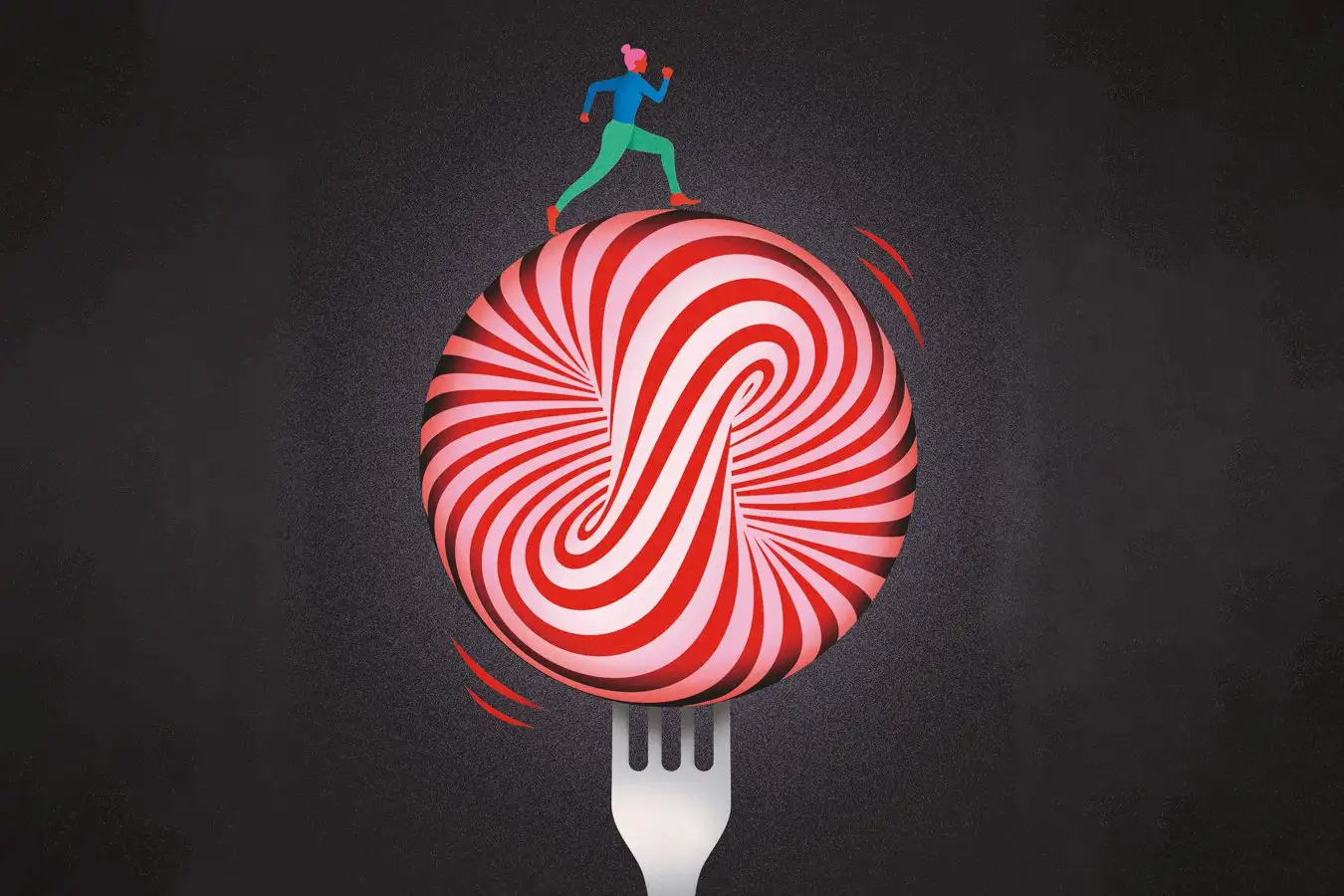
It wasn’t that I wanted to die. The fear of eating more and gaining weight simply felt more immediate than the reality of my heart failing. That paradox – continuing to starve yourself despite the consequences – is why anorexia nervosa remains one of the deadliest and most challenging mental health conditions to treat. Roughly a third of those affected don’t recover, even with treatment.
“We could do much, much better. That is clear,” says Ulrike Schmidt at King’s College London.
She is part of a growing group of researchers who, in recent years, have turned to the brain for answers, and these efforts are finally bearing fruit. A wave of studies now suggests that anorexia nervosa alters circuits governing reward, habit and emotion – changes that may explain why eating can become so aversive, even for people who want to recover.
While it is still early days, these insights are already reshaping how we think about anorexia and inspiring potential new therapies, from brain stimulation to experimental medications, that could one day shift treatment outcomes.
Anorexia’s origins
Anorexia nervosa is an eating disorder characterised by severe calorie restriction and an intense fear of gaining weight, typically leading to dangerously low body weight. Estimates suggest it affects up to 4 per cent of women and 0.3 per cent of men during their lifetime, though some studies indicate incidences are rising. Research suggests shifting beauty standards, social media and the stress of covid-19 lockdowns may be driving the trend.
Yet anorexia predates these modern pressures, with the first cases described in the early 1870s. Until the 1980s, most treatment approaches focused on identifying the external motivators driving the condition: “To be fit, to be thin, to get over some problem, to react to some insult,” says Timothy Walsh at Columbia University in New York.
“The thinking was, once we have worked out what is driving this, they will start eating,” he says. “Wrong.” It turns out that many of the condition’s symptoms are exacerbated, if not caused, by starvation.
That revelation came from an ethically dubious experiment. In the 1940s, researchers at the University of Minnesota halved the calorie intake of 36 young, healthy men with the aim of better understanding starvation.
After six months, the men had lost around 25 per cent of their body weight and experienced profound psychological changes. They became argumentative, obsessed with food and socially withdrawn, developing symptoms of anxiety and depression. What’s more, their eating habits changed. They began toying with their food, cutting it into small pieces or diluting it with water – behaviours also seen in anorexia.
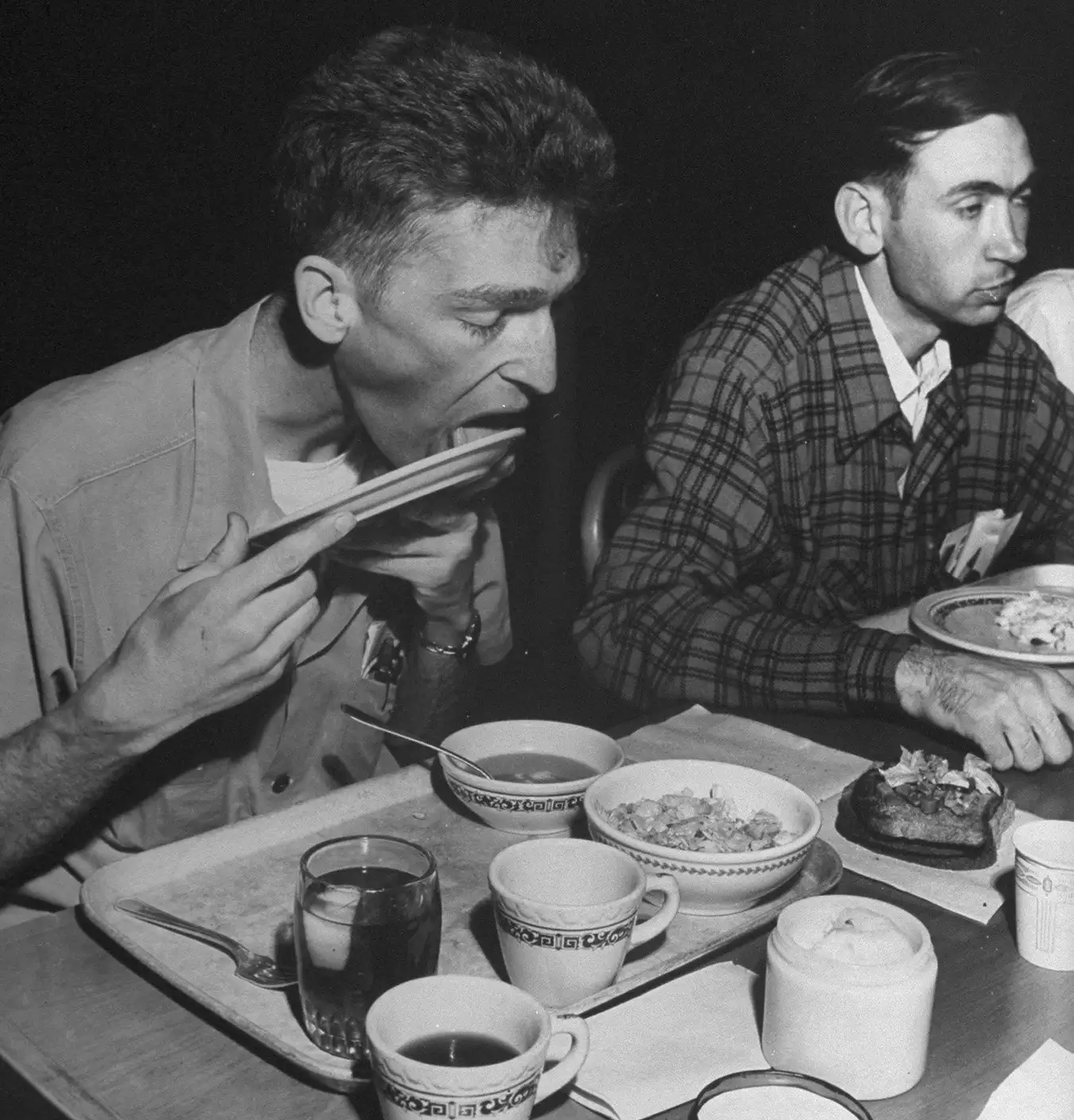
Insights from the Minnesota starvation experiment in the 1940s transformed the treatment of anorexia
Picture Collection/Shutterstock
Decades later, researchers connected these findings to anorexia, transforming our understanding of the condition. “Even in people who have no genetic, personality or psychological predisposition to an eating disorder, there was this lasting effect from the period of starvation,” says Schmidt.
Doctors realised that treating starvation, not necessarily the underlying psychology, was a crucial first step in helping those with the condition. “After eating and getting renourished, people are less anxious. They are less depressed. They are less obsessional,” says Joanna Steinglass, also at Columbia University.
Supervised weight restoration, in which doctors and dietitians monitor weight and food intake, now forms the backbone of anorexia treatment, alongside talk therapies centred on reshaping thoughts, emotions and behaviours. While this helps roughly two-thirds of people to recover – including me – it isn’t enough for the rest.
“We have a reasonable set of first-line treatments,” says Schmidt. “But what do you do if those don’t work? We haven’t really got a clear answer for what should be next.”
To address this urgent treatment gap, researchers are probing the brain for clues. Neural mechanisms underlying the condition have largely remained a mystery – but that is beginning to change.
Neural underpinnings
We now know that anorexia is associated with profound brain alterations. A 2022 study of 685 women with the condition and 963 women without an eating disorder found that the brain’s outer layer, the cerebral cortex – which plays a crucial role in thinking, reasoning and emotion – was significantly thinner in anorexia, for instance. The reduction was two to four times greater than that seen in other mental health conditions, such as depression and obsessive-compulsive disorder (OCD).
Thinning was less pronounced, however, in the 251 participants with anorexia who had begun regaining weight, not only suggesting that the changes are reversible, but also that they may result from starvation rather than some pre-existing difference in the anorexic brain.
“The brain is strongly affected by food restriction because the brain is mainly based on fat,” says Clara Moreau at the University of Montreal.
To disentangle the effects of starvation, last year she and her colleagues analysed brain scans from 290 children, 124 of whom had anorexia and 50 of whom had another eating disorder called avoidant/restrictive food intake disorder (ARFID). This condition also causes severe food restriction and weight loss, yet, unlike anorexia, it is driven by sensory sensitivities, a disinterest in food or an intense fear of choking or vomiting.
Compared with children without an eating disorder, those with anorexia showed significant thinning in 32 brain regions, even after accounting for body mass index. A similar pattern emerged in comparisons with children who had ARFID, indicating that at least some brain differences in anorexia are distinct from those caused by starvation.
The superior parietal lobule and the thalamus, both of which process sensory information, were most affected. This may explain one hallmark of anorexia: that those affected have a disturbed perception of their own body, says Anael Ayrolles at the Robert Debré Hospital in Paris. Many, including myself, tend to overestimate their body size. No matter how much weight I lost, my body appeared the same to me. Only years later, when looking at an old photo, did I grasp how underweight I had been. Ayrolles says this could have been due to altered brain pathways involved in evaluating my body.
Comparisons of these results with brain-imaging studies of other mental health conditions showed that anorexia overlapped most with OCD, hinting at a shared mechanism between the two, says Moreau.
This isn’t the first time the conditions have been linked. More than a third of people with anorexia also have OCD, and anorexic behaviours, like calorie restriction or excessive exercise, may serve a similar function to OCD compulsions in temporarily relieving the anxiety caused by intrusive thoughts.
While intriguing, these results are far from conclusive. “It is difficult to associate one altered [brain] region to a specific function,” says Ayrolles. Both he and Moreau are part of a consortium working towards that goal. Over the next year, they will collect functional magnetic resonance imaging (fMRI) scans from nearly 1000 people with anorexia worldwide. Unlike structural brain scans, fMRI measures brain activity over time, offering greater insight into how these brain changes may influence behaviour.
Other research groups are taking a different approach, zeroing in on specific circuits they suspect play a role in anorexia, such as those regulating interoception, the ability to detect bodily sensations. Two brain regions, the thalamus and insula, help process these signals and relay them to other areas, ultimately shaping behaviour, emotions and body image. Emerging evidence indicates these circuits are disrupted in anorexia, which may explain why many people with the condition feel disconnected from their body and emotions.
Brain circuits governing reward and habit have also been implicated in the condition. “People aren’t born with anorexia nervosa. It doesn’t just hit them like lightning,” says Walsh. “They learn to do it somehow.”
This led him to propose a hypothesis called the habit-formation model of anorexia nervosa in 2013, which he and others have since been investigating. It posits that people with the condition avoid certain foods – particularly those high in fat – because they initially find it rewarding. Over time, however, restrictive eating becomes a habit, and habits are notoriously difficult to break, especially the longer they are practised.
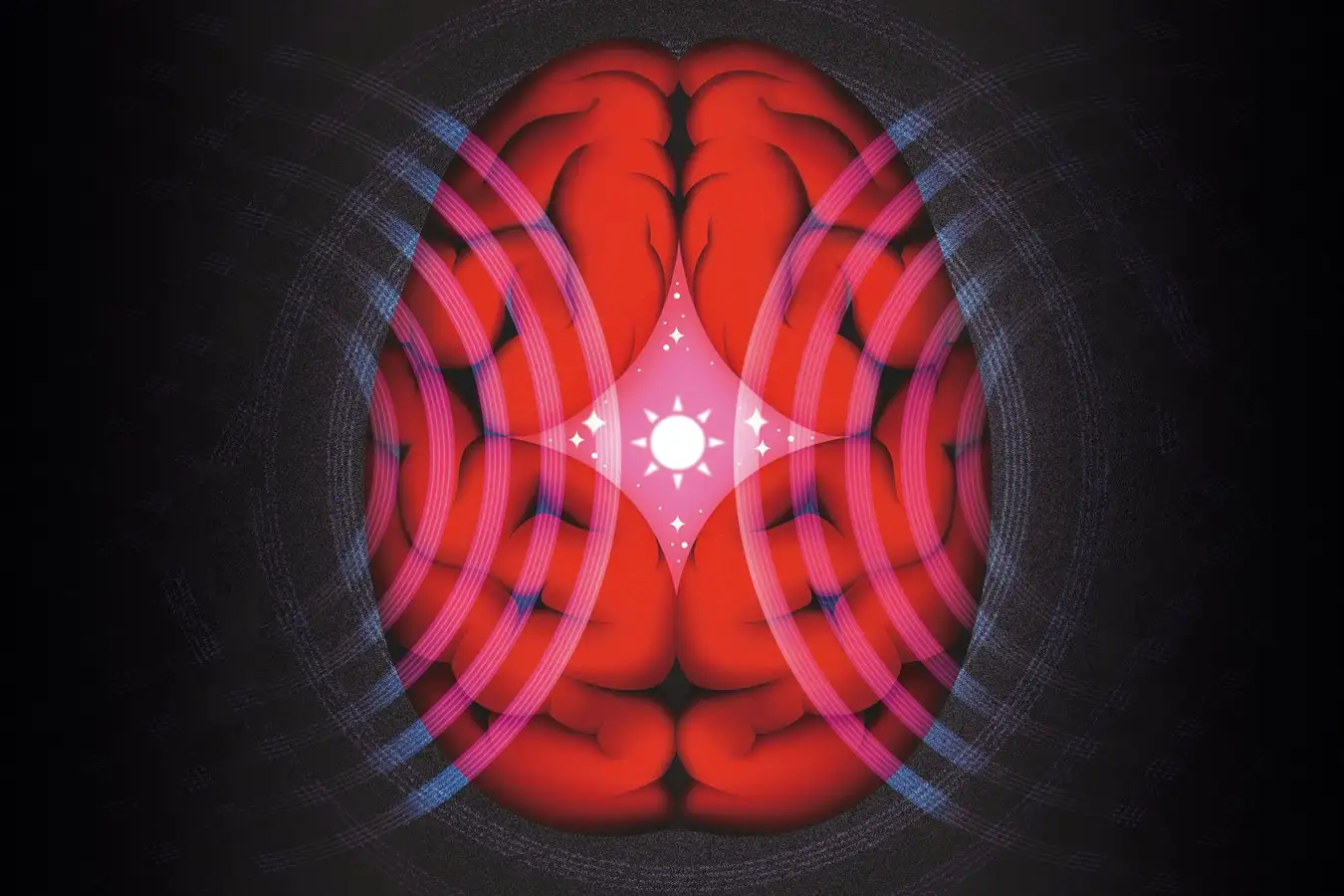
The brain reinforces gratifying behaviours through dopamine, a feel-good chemical that activates pathways in the ventral striatum, the brain’s so-called reward centre. Two types of activity engage this system: those resulting in positive outcomes, such as reward or praise, and those preventing negative outcomes, such as threats or harm.
Both probably have a hand in anorexia nervosa, says Walsh. Some people receive compliments as they lose weight. Others avoid high-calorie foods out of genuine fear or disgust: brain scans in people with anorexia show that such foods can activate the threat-detecting amygdala. “You can make an argument that starvation becomes rewarding,” says Walsh.
When a behaviour is consistently rewarding, the neural pathways governing it shift from the ventral striatum to a more efficient circuit involving the dorsal striatum, nicknamed the habit hub. “It doesn’t matter any more what the original reward was,” says Steinglass. “Now, you are just going to do that thing over and over and over again.” So, even if someone with anorexia wants to get better, it isn’t as simple as eating more, she says. The decision to avoid certain foods has become automatic.
Listening to the two researchers, it feels as though they are describing my own experience with anorexia. At first, hitting my daily calorie count and watching my weight fall brought me an intense sense of accomplishment – almost a high. But at some point, the behaviour spiralled out of control. I couldn’t hit the brakes, even as I careened towards an ever-darker place.
Though not definitive, mounting evidence supports this habit hypothesis. In a seminal 2015 study, Steinglass, Walsh and their colleagues instructed 42 participants – half of whom were hospitalised with anorexia nervosa – to choose between various foods. As expected, people with anorexia nervosa were significantly less likely to choose high-fat foods than those without the condition. Brain scans capturing these decisions revealed greater activation in the dorsal striatum – the brain’s habit hub – compared with controls.
Another study in 2020 showed that people with anorexia have more white matter, which transmits brain signals, in this region than those without an eating disorder, further implicating it in the condition.
Many unknowns remain. For instance, why do people with anorexia nervosa find restrictive eating rewarding in the first place? “I think for some folks, one of the drivers is, ‘I feel less anxious. I feel less bad. I feel less depressed. I am more certain of who I am,’ ” says Walsh. But why, then, don’t most people who diet develop anorexia? After all, many of them probably find some aspect of it rewarding.
One possibility is that people with anorexia are more sensitive to rewards. Studies have found that their dopamine-related pathways are hyperresponsive. But it isn’t clear whether this precedes anorexia’s onset or is simply the result of starvation, which is known to sensitise dopamine receptors.
Genetics probably forms some part of the equation as well, says Walsh. Twin studies suggest this accounts for up to 60 per cent of the risk of developing anorexia nervosa. “There might be a genetic predisposition to altered reward or habit-learning pathways,” he says. “There could be some other biological factor that allows them to withstand the pressure to eat. I don’t think we know yet.”
Several studies have found genes linked with the condition are also associated with a lower body mass index and a reduced risk of obesity and type 2 diabetes. It may be, then, that anorexia is also a metabolic condition, in addition to a mental health one. Processes regulating weight and metabolism might differ in those with the condition, making it harder for them to maintain a healthy weight. This may also explain why early evidence indicates the ketogenic diet – which can impact brain metabolism – may help treat anorexia (see “An unexpected therapy”).
These findings are a toehold on the neural mechanisms behind anorexia nervosa, says Steinglass, which could pave the way for new treatments.
Brain-based treatments
One of the most promising involves using electromagnetic pulses to modulate brain activity, a technique called repetitive transcranial magnetic stimulation (rTMS). In 2021, Steinglass and her colleagues administered it to 10 women hospitalised with anorexia as they made decisions about various foods. They specifically targeted the right dorsolateral prefrontal cortex, which helps inhibit automatic and habitual behaviours. When receiving stimulation, the participants were more likely to choose high-fat foods while determining what they would rather eat, compared with when they received a mock stimulation.
Schmidt and her colleagues have tested a similar treatment in 34 women with anorexia nervosa. Half underwent 20 rTMS sessions targeted at their left dorsolateral prefrontal cortex – a region implicated in depression and substance use disorders – alongside usual treatment. Four months later, their mood had significantly improved compared with those who received a mock stimulation. “They were more relaxed around eating, more able to put people and social connections ahead of their eating disorder,” says Schmidt.
The treatment’s impact on the participants’ weight was slower to kick in, but an 18-month follow-up with 24 of the participants revealed promising results. A quarter of those who had received targeted rTMS had reached a normal body mass index, with another quarter showing partial weight recovery.
The researchers are now repeating the study in 66 young women whose anorexia hadn’t responded to standard treatment. This time, however, they are using intermittent theta-burst stimulation, which delivers pulses in a different pattern, potentially producing more durable effects. Schmidt expects the trial to wrap up in the next couple of months. If positive, the results could “really transform the therapy landscape”, she says. “It could be a big step forward.”
Other researchers are turning to experimental drugs, including psychedelics. A 2023 study found that a single dose of psilocybin improved body image, reduced anxiety and lessened preoccupations about eating and food in 10 women with anorexia nervosa. Yet, without a control group, the results could be explained by the placebo effect. More robust trials are now under way.
Hope for the future
All these approaches are still in the early stages of testing, and most include just a handful of participants, the vast majority of whom are young women. So, it would be unwise to raise hopes too high. Still, Walsh says he is more hopeful now than at any other point in his nearly 50-year career: “I think we understand the enemy better.”
I used to doubt whether I could ever vanquish this enemy. A month after being hospitalised, I wrote in my journal that “my eating disorder is as strong as ever… will these thoughts ever leave me alone?”
I am grateful to say they have. I no longer obsess over calories or weight loss. In fact, I rarely think about them at all. Foods that 15-year-old me could have never fathomed eating without fear now only bring me joy.
I am hopeful that one day, we will find a way to quiet these thoughts in anyone plagued by them. While we aren’t there yet, I believe we are getting closer.
While researchers start to home in on the neural underpinnings of anorexia (see main story), shifting someone’s metabolism via the ketogenic diet may hold promise for treating the condition.
Our metabolism runs mostly on carbohydrates, which are broken down into glucose to be burned in the energy-releasing mitochondria in cells. Problems with this energy release in brain cells have been linked to mental health conditions, including anorexia.
When carbs are unavailable, the body adapts to burn fat, releasing it from storage and converting it in the liver to molecules called ketone bodies that can be burned in place of glucose. The ketogenic diet can prompt this metabolic shift, as it involves eating high amounts of fat, moderate amounts of protein and very few carbs.
Guido Frank at the University of California, San Diego, and his team asked 22 women with anorexia, whose body mass index had risen enough to sit in the healthy to slightly underweight range, to follow a ketogenic diet for 14 weeks, supervised by a dietician, psychiatrist and a peer support counsellor who had experienced anorexia. Their weight, mood and anorexia symptoms were monitored weekly, using questionnaires to track any changes in body image, depression, food-related anxiety and fear of weight gain.
The 18 women who stuck to the diet for the full 14 weeks showed a significant improvement in anorexia symptoms and scores of depression. Thirteen even improved enough to drop below the threshold for clinical diagnosis for both anorexia and depression. “The level of recovery was far better than what we see in other anorexia treatments,” says Frank.
But Sahib Khalsa at the University of California, Los Angeles, who researches and treats eating disorders, says without more data from large trials, it is too soon to change how we treat anorexia. Caroline Williams
Topics:
[ad_2]
Source link : https://www.newscientist.com/article/2528588-understanding-anorexias-grip-on-the-brain-could-unlock-new-therapies/?utm_campaign=RSS%7CNSNS&utm_source=NSNS&utm_medium=RSS&utm_content=home
Author :
Publish date : 2026-06-08 14:00:00
Copyright for syndicated content belongs to the linked Source.