[ad_1]
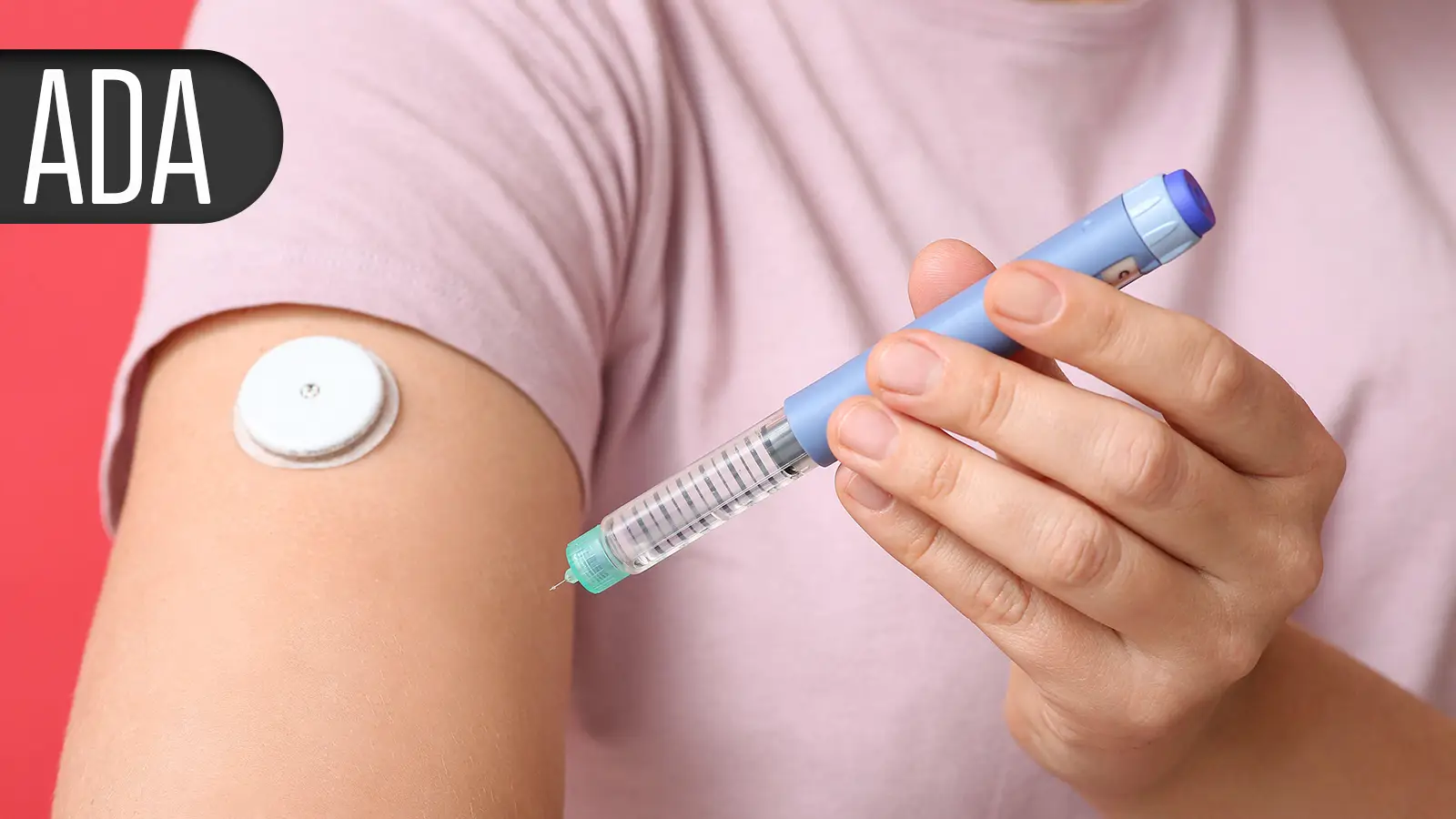
NEW ORLEANS — A fixed-dose combination of novel amylin analog cagrilintide and semaglutide, given once weekly, lowered blood glucose and weight in various populations with type 2 diabetes.
The combination injectable, dubbed CagriSema, performed well at doses of 2.4 or 1.0 mg of each drug across three phase III double-blind REIMAGINE studies presented at the American Diabetes Association (ADA) annual meeting.
In the REIMAGINE I trial among patients early in the course of type 2 diabetes, the higher and lower CagriSema doses led to 1.8- and 1.5-percentage point drops in HbA1c from baseline to week 40, corresponding to estimated treatment differences over placebo of 1.7 percentage points and 1.3 percentage points (both P<0.0001).
Change in body weight also favored CagriSema over placebo in REIMAGINE 1, with an estimated treatment difference of 12.4 percentage points and 10.4 percentage points for higher and lower doses, respectively (both P<0.0001), reported Vanita Aroda, MD, of Brigham and Women's Hospital and Harvard Medical School in Boston.
Traditional cardiometabolic risk factors, including blood pressure and C-reactive protein, also improved, and there were no new safety signals beyond what has been seen previously with the class, said Aroda at a press conference.
“In this early disease population of type 2 diabetes, CagriSema demonstrated fairly robust holistic disease-modifying properties that could be relevant for the course and trajectory of type 2 diabetes,” she concluded.
CagriSema’s benefits were not limited to the early course of disease, however.
During the same session at ADA, REIMAGINE 2 researchers showed that CagriSema was better than either GLP-1 drug or amylin receptor agonist component alone for glycemic control and weight loss in people who had progressed to using standard diabetes medications.
Finally, in the setting of long-standing type 2 diabetes inadequately controlled with basal insulin, CagriSema showed efficacy in the placebo-controlled REIMAGINE 3 trial, also presented at ADA.
Safety-wise, most adverse events in these studies were mild or moderate and gastrointestinal-related, typical of semaglutide and the GLP-1 receptor agonist class as a whole.
The three REIMAGINE studies were simultaneously published in the Lancet Diabetes & Endocrinology.
CagriSema sits amid a crowded GLP-1 drug pipeline and marketplace. At this year’s ADA alone, novel agents orforglipron (Foundayo), elecoglipron, retatrutide, and mazdutide were also featured in the scientific program.
“From a clinical point of view, a comparison with the dual agonist tirzepatide [Zepbound] would be of major interest,” commented André Scheen, MD, PhD, of CHU Liège in Belgium, in an editorial. “Such a head-to-head study that will compare the efficacy and safety of cagrilintide-semaglutide and tirzepatide in patients with type 2 diabetes would help to better define the future place of cagrilintide-semaglutide in the management of type 2 diabetes.”
REIMAGINE 1
The REIMAGINE 1 investigators tested CagriSema against placebo in adults with type 2 diabetes who had not responded to diet or exercise. Participants were randomized to CagriSema (2.4 or 1.0 mg each of cagrilintide and semaglutide) vs placebo during the 40-week treatment period, followed by a 12 week follow-up.
The 189 trial participants averaged 53.6 years of age, and 54% were men. Baseline mean HbA1c was 7.8%, BMI 35.2 kg/m2, and the median duration of diabetes was under 2 years.
“Favourable effects were observed for several cardiometabolic risk factors, alongside evidence of improved β-cell function and a higher proportion of participants meeting guideline consensus criteria for type 2 diabetes remission,” reported Aroda’s group.
Adverse events were reported by 79% after taking cagrilintide-semaglutide 2.4 mg each, 75% with cagrilintide-semaglutide 1.0 mg each, and 66% of the placebo group.
REIMAGINE 2
In REIMAGINE 2, CagriSema was tested against semaglutide as add-on to basal insulin for glycemic control in patients with type 2 diabetes whose blood glucose was not well controlled taking metformin, with or without an SGLT2 inhibitor.
The combination therapy lowered blood glucose more effectively than semaglutide alone: the mean change in HbA1c from baseline to week 68 with CagriSema 2.4 mg each compared with semaglutide 2.4 mg was -1.91 percentage points vs -1.75 percentage points (P=0.0035), reported Akshay Jain, MD, of Unity Healthcare in Surrey, British Columbia.
Patients were randomized to CagriSema 2.4 mg each, CagriSema 1.0 mg each, cagrilintide 2.4 mg, semaglutide 2.4 mg, or corresponding placebo.
The 2,728 participants averaged around 57 years of age, and over half were men. Baseline HbA1c was 8.2%, mean BMI around 35 kg/m2, and the median duration of diabetes was 7.9-9.0 years across treatment groups.
Adverse event rates ranged from 70.5% with placebo to 86.9% with the higher-dose of CagriSema. The most common adverse events were gastrointestinal.
REIMAGINE 3
When tested as an add-on to basal insulin treatment for type 2 diabetes in the REIMAGINE 3 trial, CagriSema once again showed efficacy.
People with long-standing type 2 diabetes who were inadequately controlled on basal insulin, with or without metformin, ended up with significant HbA1c reductions at week 40 following CagriSema therapy: CagriSema at doses of 2.4 mg each and 1.0 mg each was associated with drop of 2.33 and 2.10 percentage points in HbA1c, respectively, versus 0.66 percentage points with placebo (P<0.0001).
This benefit was accompanied by weight loss and no additional risk of hypoglycemia, noted presenter Julio Rosenstock, MD, of the University of Texas Southwestern Medical Center in Dallas.
“As we look to provide more solid options for people with type 2 diabetes beyond insulin-based therapies, it’s also important to note the safety and tolerability profile was consistent with previous GLP-1 [receptor agonist] trials,” Rosenstock added in a statement.
The study had 274 patients randomized to CagriSema 2.4 mg each or 1.0 mg each or placebo.
Study participants averaged about 59 years of age, and nearly 60% were men. Baseline HbA1c averaged 8.8%, and BMI 32. Median duration of diabetes was 15 years.
[ad_2]
Source link : https://www.medpagetoday.com/meetingcoverage/ada/121658
Author :
Publish date : 2026-06-08 19:35:00
Copyright for syndicated content belongs to the linked Source.