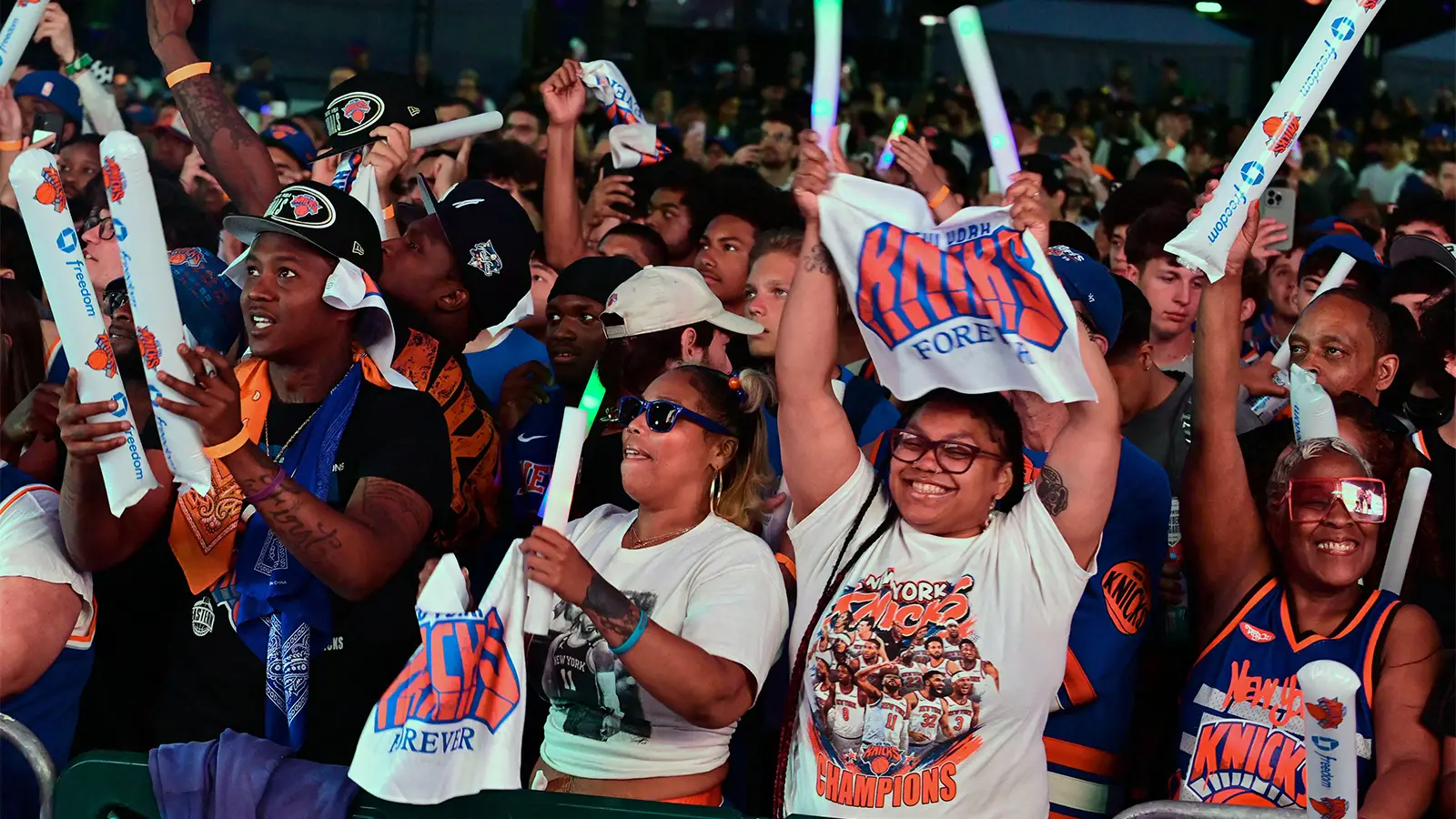
[ad_1] I am a child of the golden era of basketball. I grew up watching Larry Legend (Larry Bird) and Earvin "Magic" Johnson duel through the 1980s. I was in ecstasy when my beloved Detroit Bad Boys dethroned both Goliaths, and for all my disdain of Michael Jordan (I am a rabid Isaiah Thomas fan), I think Jordan is the greatest player ever. Watching "The Last Dance" documentary about the dominant Chicago Bulls teams helped me make it through the heaviest days of the pandemic. The National Basketball Association (NBA) has not been as enthralling for me in the last three decades, even with the likes of Kobe Bryant, Stephen Curry, and the King (LeBron James) himself roaming the courts. That all changed in the past few weeks as I watched a brand of basketball unlike what I'd ever seen before. The reigning champions Oklahoma City Thunder and upstart San Antonio Spurs put on a marvelous display of skill and competitiveness that I haven't enjoyed since I was 8 years old watching the weirdly shaped Kevin McHale post-up Kurt Rambis in the '80s. Victor Wembanyama is an updated combo of Dirk Nowitzki and Bill Russell, and the two-time MVP Shai Gilgeous-Alexander is an equally unique combination of Jordan, Magic, and Larry Bird. Watching the two teams duel felt like experiencing Michelangelo and Da Vinci compete during the Renaissance. Art and sport came together. Imagine my glee as I watched all seven of these games with my 11-year-old daughter and my 8- and 5-year-old sons. Skirting bedtime with furtive looks while my wife bellowed for them to go to sleep. We persisted though, as I knew we were watching transcendence. I had seen it before, and I relished the opportunity to share the experience with my kids. I wish this essay was only about the ecstasy of witnessing great basketball. But I cannot ignore the multiple conversations I've had with my children about the incessant gambling commercials during these games and the public health consequences of sports betting. In a league already beset by gambling scandals -- from Tim Donaghy, the corrupt referee who made fans question every whistle, to Terry Rozier and Damon Jones allegedly tipping off gamblers -- basketball is in trouble. During the halftime broadcasts of NBA games, announcers discuss spreads while fans innocuously bet via their mobile phones on players' individual performance, often at the subtle suggestion of a logo or commercial. A Washington Post analysis found that a gambling reference, promotion, or commercial occurred every 4 minutes, on average, during televised football, basketball, and hockey professional and college games. Another study from the Canadian Broadcasting Corporation and University of Bristol found gambling brand logos or other references to gambling appeared an average of 2.8 times per broadcast minute during live NHL and NBA broadcasts. Meanwhile, the American Gaming Association says that the NBA stands to gain $585 million in revenue from legal sports betting. But this is not an issue confined to the NBA. Major League Baseball (MLB) stands to gain over $1 billion annually from legal sports betting. Brendan Sorsby, the top recruit in the NCAA Football transfer portal, endangered his own career by betting on teams he played on. And Pete Rose is still not in the baseball Hall of Fame due to betting on the sport despite being the all-timer hit leader in MLB. Humans are fallible, and I've lost count of the number of times I have bet my kids on something as trivial as who is the better cook, their mother or me (it's me obviously). I am not shirking my responsibilities as a parent and I have spoken extensively to my kids about gambling, but it seems as if the odds are stacked against parents and the public at large. The idea that you can bet on an individual player's performance from your couch using virtual money is too easy. Cell phones are addictive. Gambling is addictive. Combining those with sports you love to watch is a recipe for disaster. I also worry that it has created a rot in sports, which is bearing fruit that the professional sports associations may not want to eat. Many of my friends refuse to watch the NBA as they think the referees have undue influence in the game. I cannot convince them otherwise. Yet, lost viewership for professional leagues is a minor concern compared to the "24/7 Casino" in our back pocket. The ongoing digitization of our lives, the sophisticated algorithms that dominate our social media feeds, and the deregulating of the gaming industry has opened the flood gates of omnipresent exposure -- at a significant cost. Gambling disorders are associated with increased intimate partner violence, financial ruin that can span generations, and increased rates of depression and anxiety amongst gamblers. Particularly vulnerable are adolescent males who seem to be combining watching their heroes with betting on their performance. And when that hero has an off night and debts ensue, the consequences can be devastating. Concerningly, studies suggest a link between gambling-related addiction and self-harm or suicide, driven by both indebtedness and shame. My level of excitement this week over watching the Knicks possibly win their first championship in more than 50 years is tempered with my concerns for our children and the public at large. What do I propose? At a minimum, professional sports leagues should publicly rethink their relationship with advertising for gambling. And "prop bets" -- wagers on a specific event or outcome rather than the final score -- should be made illegal immediately. This would send a clear signal that these leagues believe in the integrity of the game and acknowledge this is a public health problem. I understand that there will be financial consequences. But it is better than the alternative: the immense harm to public health and fans tuning out altogether because we doubt the authenticity of the product. It is time to rein in sports betting and tune back into the game. This perspective is the author's alone and does not necessarily reflect that of any institutions or companies with which he is affiliated. Please enable JavaScript to view the comments powered by Disqus. [ad_2] Source link : https://www.medpagetoday.com/opinion/second-opinions/121669 Author : Publish date : 2026-06-09 16:56:00 Copyright for syndicated content belongs to the linked Source.