[ad_1]
- Neurologic symptoms in West African Ebola survivors persisted more than 7 years after infection.
- Compared with controls, survivors more often reported memory loss, irritability, and trouble concentrating.
- Bundibugyo, the virus causing the current outbreak, is a different species but experts believe neurologic findings will be similar.
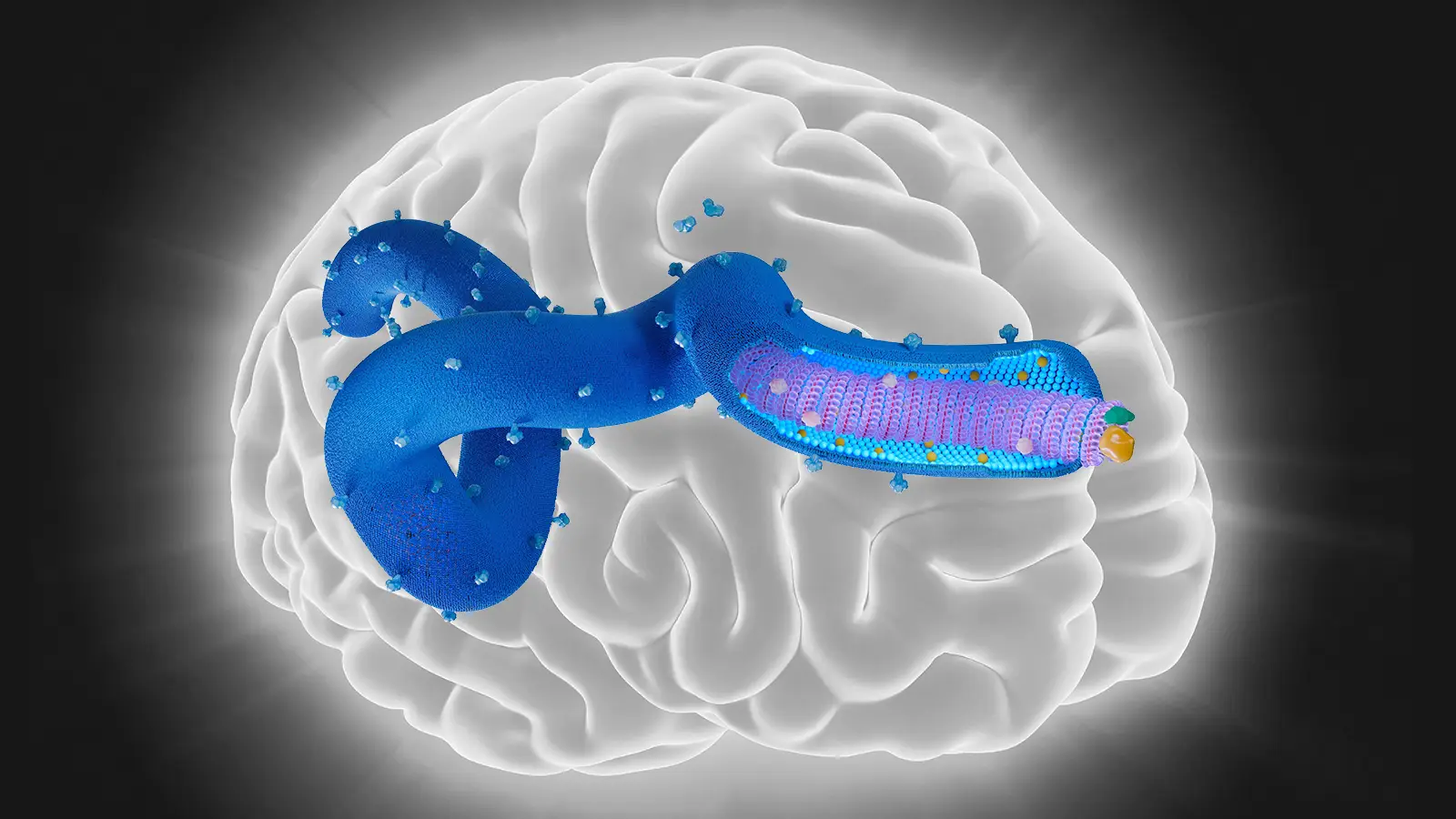
Neurologic manifestations in Ebola survivors persisted more than 7 years after acute infection, data from the prospective PREVAIL III study showed.
Compared with controls, people who survived the 2014-2016 epidemic in West Africa were more likely to have memory loss (57.4% vs 26.2%, P<0.001), irritability (36.5% vs 14.8%, P=0.006), and trouble concentrating (29.6% vs 9.8%, P=0.002) at last follow-up, reported Bridgette Jeanne Billioux, MD, of the National Institute of Neurological Disorders and Stroke (NINDS), and co-authors.
During acute infection, Ebola survivors reported headaches, altered mental status, and stroke-like symptoms. Sequelae involved the entire neuraxis and included cognitive dysfunction, persistent headaches, sleep abnormalities, depression, sexual dysfunction, tremors, fatigue, cranial nerve abnormalities, and abnormal sensations.
Seven years later, most findings improved though many survivors still had neurologic symptoms, most notably memory loss, the researchers wrote in JAMA Neurology.
The study followed earlier reports from West Africa: in 2016, NINDS researchers showed that Ebola survivors in Liberia had neurologic abnormalities that lasted over a year. In a substudy of three Ebola survivors examined at the NIH Clinical Center, researchers identified persistent brain imaging abnormalities 3 years after acute infection.
A case report in 2016 also documented the virus’s potential for central nervous system (CNS) persistence: a 39-year-old female nurse developed acute meningoencephalitis 9 months after acute infection, with cerebrospinal fluid (CSF) tests indicating an unanticipated, severe relapse of Ebola.
“We do not know exactly how Ebola enters the brain. However, it is a broadly tropic virus, meaning it is a virus that infects many different types of cells,” Billioux noted in an email to MedPage Today.
“Some of the cells most commonly infected by Ebola include macrophages, dendritic cells, and epithelial cells,” she observed. “Macrophages and dendritic cells are known to go all over the body, including crossing the blood-brain barrier, and this may be one way the virus gets in.”
The 2014-2016 Ebola virus disease epidemic in West Africa led to more than 28,000 infections and 11,000 deaths in Liberia, Guinea, and Sierra Leone. In 2015, the NIH partnered with the Liberian Ministry of Health to run the PREVAIL III natural history study at the John F. Kennedy Medical Center in Monrovia, including a neurology study.
A team of trained neurologists evaluated 148 seropositive adult survivors and 81 seronegative close contacts (controls). Neurologic assessments began in September 2015 and were conducted twice yearly using standardized case report forms. Evaluations were suspended in mid-2020 due to the COVID-19 pandemic and resumed in August 2022; the last assessment was completed in March 2023.
The neurologic exam was converted into two scores: a general neurological examination (GNE) score and a CNS score, which reflected only the CNS elements of the exam. Normal findings were assigned a value of 0 and abnormal findings were assigned a value of 1 or more, increasing by 1 for each additional level of abnormal response. GNE scores ranged from 0 to 83; CNS scores ranged from 0 to 51.
Mean baseline age of Ebola survivors was 34.8 years and 50% were men. Mean baseline age of the control group was 35.8 years and 49% were men. Imaging and CSF studies were not possible in the acute setting, and no participants received Ebola treatment.
At baseline, Ebola survivors scored significantly higher on both scores compared with controls (mean GNE score of 3.7 vs 2.1, and mean CNS score of 2.2 vs 0.7, respectively, P<0.001 for both). At the final evaluation, neither GNE score nor CNS score was significantly different between groups.
Stroke-like symptoms, seizures, meningitis, and severe mental status alterations were rare at baseline but were consistent with other reports, including a 2016 case of a young male health worker in Sierra Leone who had severe Ebola virus disease complicated by meningoencephalitis, the researchers noted.
Bundibugyo — the virus causing the current Ebola outbreak — is a different species than the one that caused the West African outbreak. However, “we feel that many, if not most, of our findings will be very similar to findings in the survivors of Bundibugyo,” Billioux said.
This disease, like many others with post-infectious sequelae, can cause significant socioeconomic consequences, she pointed out.
“Hence, it is important that Ebola survivors, no matter which species, are seen by medical care providers and assessed for these potential neurologic complications, as many of these issues may be treatable,” Billioux noted. “Fortunately, many of these issues do improve over time with the appropriate support.”
[ad_2]
Source link : https://www.medpagetoday.com/neurology/generalneurology/121707
Author :
Publish date : 2026-06-11 14:22:00
Copyright for syndicated content belongs to the linked Source.