[ad_1]
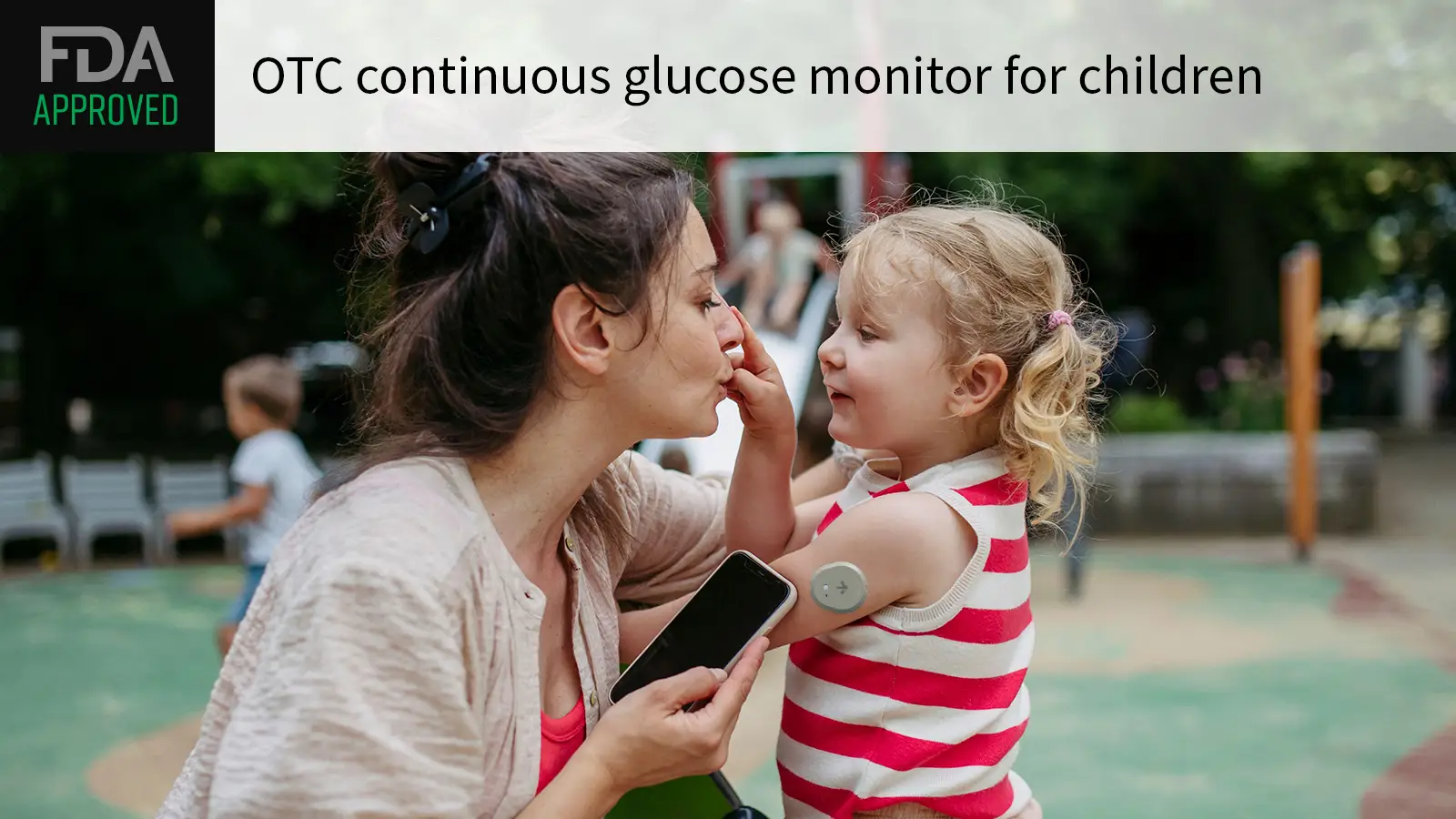
The FDA cleared the first over-the-counter (OTC) integrated continuous glucose monitor (CGM) for children 2 years and older with or without diabetes, the agency announced on Friday.
The Stelo Glucose Biosensor System device is indicated for children with diabetes who do not use insulin but instead manage their condition with oral medication, as well as those without diabetes who want to understand how diet, exercise, and other lifestyle changes affect their blood sugar levels.
“Children deserve access to the best tools available to manage their health,” Michelle Tarver, MD, PhD, director of the Center for Devices and Radiological Health, said in a statement. “Today’s clearance reflects the FDA’s commitment to fostering innovation for pediatric patients and supporting the safe and effective use of medical devices where children live, learn, and play.”
Dexcom’s OTC Stelo Glucose Biosensor System was previously cleared for adults 2 years ago.
The Stelo integrated CGM features a wearable sensor — worn on the back of the upper arm — paired with a smartphone application to continuously measure, record, analyze, and display glucose values every 15 minutes. Each sensor is designed to last up to 15 days, but that time may be shorter in pediatric users due to several interconnected physiological and behavioral factors.
Mild adverse events reported with the system include local infection, skin irritation, and minor pain or discomfort.
“Users and their caregivers should consult their healthcare provider before making any medication adjustments based on the device’s output,” the FDA advised.
Underpinning the clearance was a combination of real-world data on adults and children who currently use an integrated CGM, as well as Dexcom’s previous clinical study data spanning patients of all ages.
The FDA posited that this system could be of particular benefit to children with prediabetes, a condition that affects millions.
“OTC CGMs can play a critical role in addressing this public health concern for pediatric users who do not use insulin,” the agency stated. “By providing real-time glucose data, these devices can help pediatric patients and their caregivers build greater glycemic awareness, track patterns in response to meals and exercise, and make informed adjustments to support healthier long-term outcomes and quality of life.”
The system is not intended for individuals with problematic hypoglycemia because it is not designed to alert users when low blood sugar occurs, nor is it for people on dialysis. Additionally, individuals with eating disorders should consult their healthcare provider before use.
[ad_2]
Source link : https://www.medpagetoday.com/endocrinology/diabetes/121753
Author :
Publish date : 2026-06-15 13:19:00
Copyright for syndicated content belongs to the linked Source.