[ad_1]
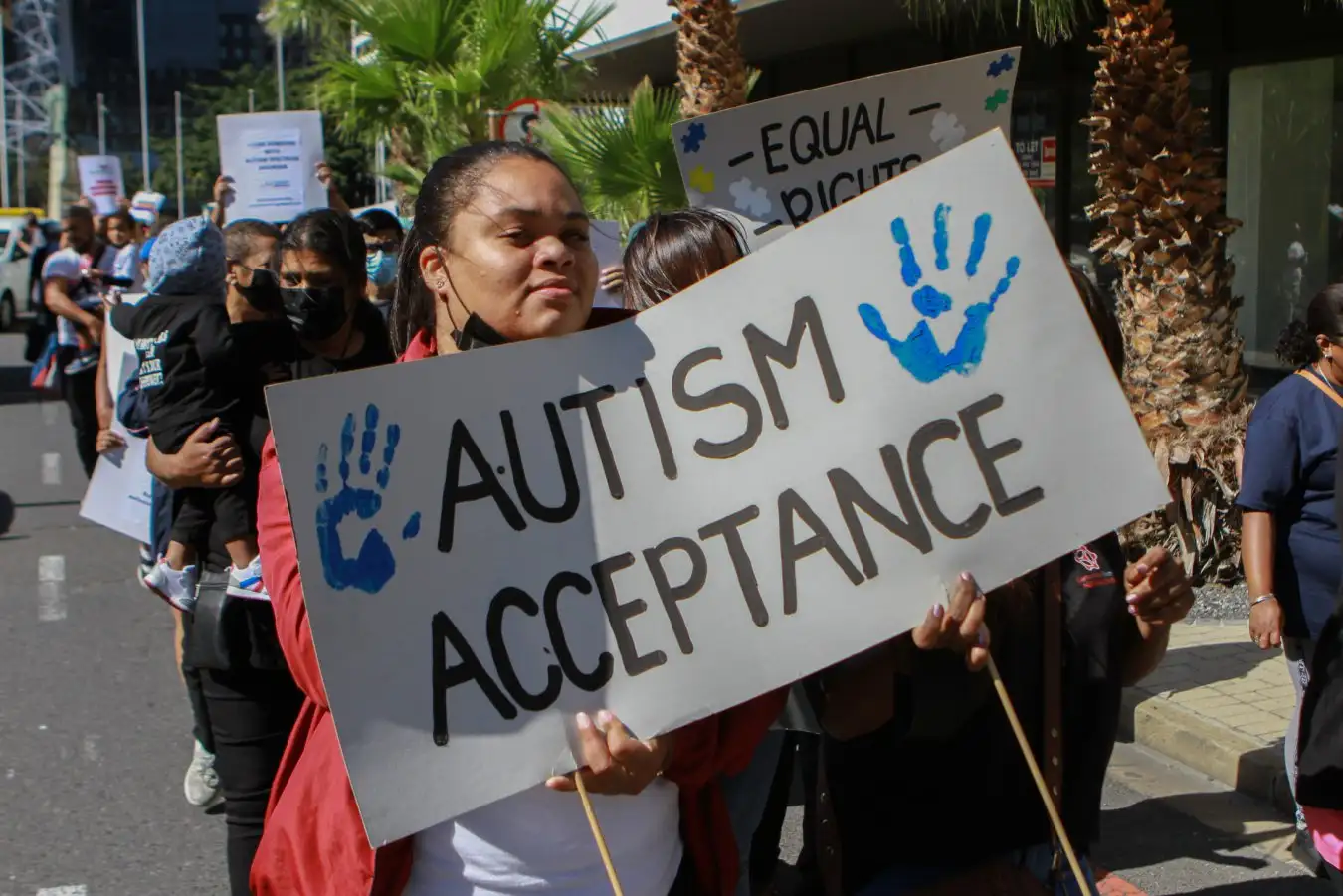
Better awareness and reduced stigma around autism and ADHD may also be behind the recent rise in diagnoses
Ziyaad Douglas/Gallo Images/Getty
We may be beginning to understand what is behind the recent explosion in diagnoses of ADHD and autism. A study of 140,000 people in Denmark reveals that those recently diagnosed with ADHD or autism have fewer genetic variations associated with them than people diagnosed a decade earlier. This suggests that a broadening of the diagnostic criteria is behind the rise, but it doesn’t support claims that ADHD and autism are being overdiagnosed.
Diagnoses for autism and ADHD have risen up to tenfold around the world over the past two decades, particularly among girls and adults. Several possibilities have been put forward to explain this, including better awareness and understanding, a broadening of the diagnostic criteria, and even the commercial interests of pharmaceutical companies and private diagnostic clinics. Others point to changes in the environment, such as increasing screen use and unfounded claims about childhood vaccinations and prenatal exposure to paracetamol (acetaminophen).
Another known factor is genetics. ADHD and autism are highly heritable, and research has recently identified thousands of common gene variants, each of which slightly increases the likelihood of developing core traits.
Advances in DNA analysis techniques have made it possible to screen for large numbers of target genes to gauge a person’s “polygenic risk score” for certain traits or conditions. A high score for ADHD or autism is “not diagnostic in itself”, says Sonja LaBianca at Copenhagen University Hospital in Denmark, because it doesn’t capture the effects of environmental, cultural and social factors, or the impact of rare variants. But since DNA in a population doesn’t change much over a decade, these scores provide a benchmark to probe other drivers.
LaBianca and her colleagues used genome-wide association studies published in 2018 and 2019 to create polygenic risk scores for autism and ADHD. These were then applied to 140,000 people from the iPSYCH cohort study, 37,000 of whom had been diagnosed with ADHD or autism between 1994 and 2016. The researchers also calculated polygenic risk scores for a range of mental health conditions, including depression, and those associated with certain personality traits, such as risk-taking.
They used this data to explore three possible scenarios behind the rise in ADHD and autism rates. The first is that a broadening of diagnostic categories lowered the threshold for diagnosis. The second is that people previously diagnosed with mental health conditions are now being recognised as neurodivergent instead and, finally, that better awareness is allowing us to spot people who fell through the gaps.
The results show that although people diagnosed more recently had significantly lower polygenic risk scores for ADHD and autism than those diagnosed earlier, they also had lower risk scores for mental health conditions and for personality traits related to conditions like ADHD, such as impulsivity. This is probably because it is no longer only people with the most obvious traits, who also have the highest polygenic risk scores, who are being diagnosed. That means the best explanation for the rising cases, says LaBianca, is the broadening of diagnostic criteria. Better awareness and reduced stigma may be involved, too, but we have less data to support that, she says.
This might seem like confirmation of overdiagnosis, but LaBianca points out that even those with the lowest polygenic scores had significantly more risk variants than the neurotypical control group. “That supports the finding that we’re not overdiagnosing,” she says. “I would [only] use that term if we were diagnosing individuals at the same polygenic level as the background population.”
Tinca Polderman at Vrije University Amsterdam in the Netherlands also says that a broadening of diagnostic criteria is the most likely explanation for increased diagnostic rates, but she warns against the assumption that our genetics and the environment are separate. “Polygenic risk scores provide just a piece of the puzzle,” she says.
“If more individuals are seeking help for these symptoms, but are less genetically predisposed, we need to look at other risk factors,” says LaBianca.
Topics:
[ad_2]
Source link : https://www.newscientist.com/article/2530700-autism-and-adhd-are-on-the-rise-due-to-widening-diagnostic-criteria/?utm_campaign=RSS%7CNSNS&utm_source=NSNS&utm_medium=RSS&utm_content=home
Author :
Publish date : 2026-06-17 15:00:00
Copyright for syndicated content belongs to the linked Source.