[ad_1]
At the American Society of Clinical Oncology (ASCO) meeting, new subgroup and real-world analyses added to the growing evidence for bispecific antibodies in relapsed follicular lymphoma, while also highlighting practical questions around their use outside academic centers.
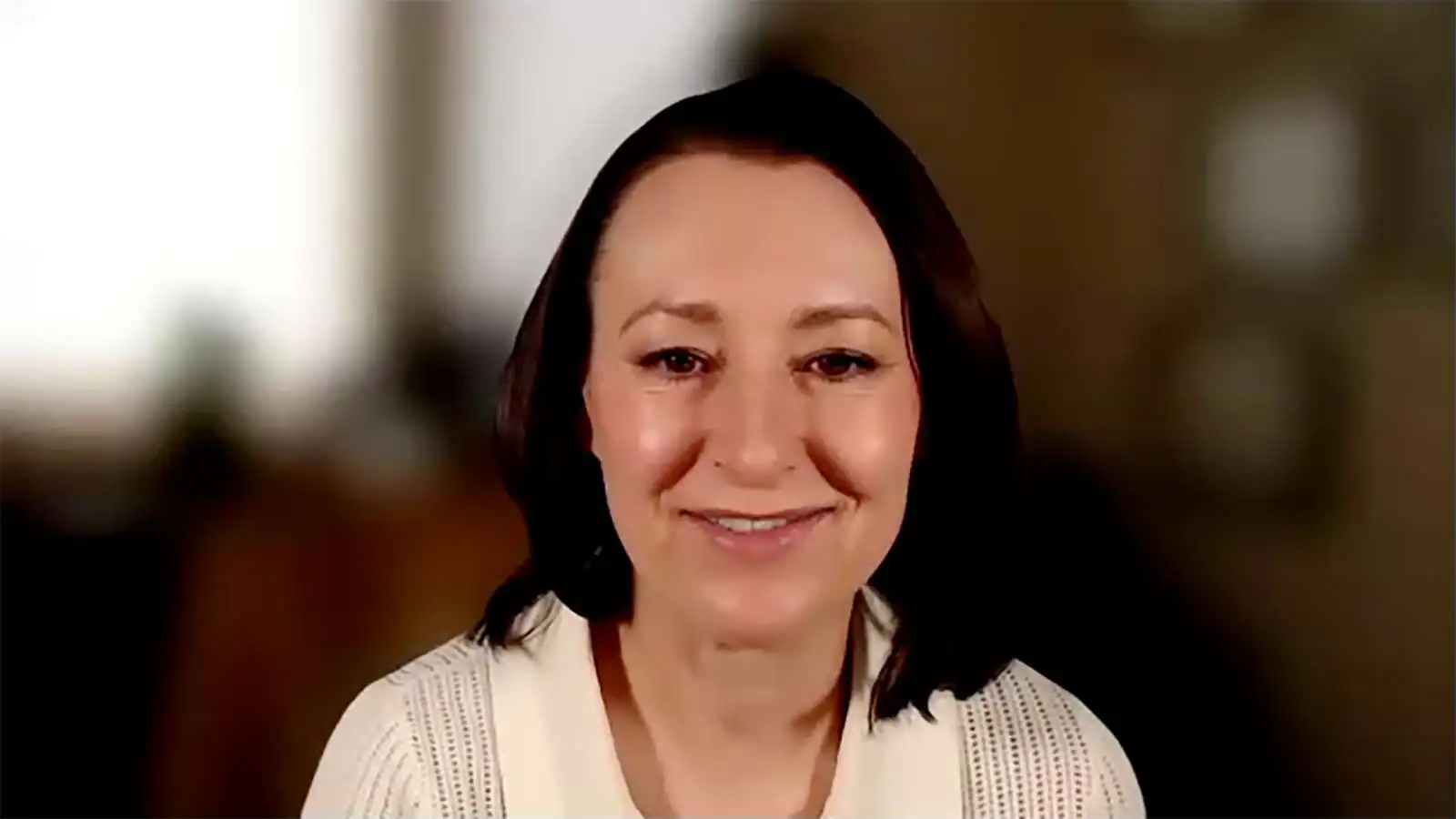
In this MedPage Today video, Loretta Nastoupil, MD, of CommonSpirit Medical Oncology Mercy in Durango, Colorado, discusses data presented on epcoritamab (Epkinly) plus lenalidomide (Revlimid) and rituximab, which patients may benefit from the regimen, as well as the challenges of expanding use in community practice.
Following is a transcript of her remarks:
We always look forward to the summer meetings because that’s when we learn about the newest developments and are most interested in how that’s going to impact practice. So in the past year, we had an FDA approval of a bispecific epcoritamab in combination with lenalidomide and rituximab for relapsed follicular lymphoma. And this was studied mostly in patients that had had frontline chemoimmunotherapy.
And though the efficacy is quite phenomenal, particularly if you look at the time to next lymphoma treatment among those patients who had epcoritamab in combination with lenalidomide and rituximab, there were very few patients that had gone on to subsequent therapy and it was clearly superior to the control arm, which was lenalidomide and rituximab. Now I think there’s probably been slow uptake of this because it is a bispecific in community practice. There might be some barriers and there are a number of options that are available for patients with relapsed follicular lymphoma, and it’s a rare disease and oftentimes patients may not need treatment.
So at ASCO this year we had seen some updates to the SWOG study where now we have over 15 years of follow-up and there’s probably about 20% to maybe as high as 40% of patients with follicular lymphoma who never relapse after frontline chemoimmunotherapy. So we also have to look at it through that lens. It’s a rare disease. Relapses, though the majority will experience them, some may not, and those that relapse may not even need treatment. But through that lens, there are a number of exciting options.
And so what we also saw this summer is that when we look at subgroup analyses of the study that led to the approval of epcoritamab plus R² [rituximab-lenalidomide], because the efficacy was so high it seemed to work across all the known subgroups in terms of POD24 [progression of disease within 24 months of initial treatment], so early relapse follicular, which we consider to be high risk, those with high FLIPI [Follicular Lymphoma International Prognostic Index] score. Also subgroups such as elderly patients or those with comorbid conditions.
And we also saw that the dose intensity of the lenalidomide partner didn’t seem to matter in the epcoritamab-containing [arm], meaning when we look at the control arm for patients who had to have dose reductions or dose attenuation, their efficacy was hindered. But for patients who were randomized to the epcoritamab-containing arm, that didn’t seem to have an impact on outcome, suggesting that these bispecifics are really probably some of the most effective therapies we have.
We also saw at ASCO this year real-world data on bispecific antibodies across eight centers in the U.S. And I think that’s also critically important because we know that there are some unique toxicities associated with these agents and that may be why we have seen some slow uptake. So when we look at commercial utilization — granted, these are going to likely be in centers that have experience — the efficacy looks quite comparable to what we’ve seen in the prospective studies. Toxicity looks to be also quite comparable. So we see about a quarter of patients experiencing CRS [cytokine release syndrome] and the majority of those are grade 1, no grade 3 or higher CRS. And the rates of ICANS [immune effector cell-associated neurotoxicity syndrome] or neurologic toxicity was quite low, again single digits.
So I do think that bispecifics are quite exciting. It looks like it’s an effective partner, particularly when combined with lenalidomide-rituximab for relapsed follicular. And so we’re just excited to see where this goes next and hopefully we get better at administering this, particularly in community practice.
[ad_2]
Source link : https://www.medpagetoday.com/meetingcoverage/ascofffollicularlymphoma/121863
Author :
Publish date : 2026-06-22 15:56:00
Copyright for syndicated content belongs to the linked Source.