[ad_1]
- Long-term immune function impairment reduces the immune system’s ability to clear persistent HPV infection and keep precancerous lesions from becoming cancerous.
- In a retrospective study from Sweden, the likelihood of developing any HPV-related cancer was over four times higher for people with HIV compared with matched population controls.
- Odds of these cancers in organ transplant recipients was more than two times higher, and observed after heart, lung, liver, and kidney transplantation.
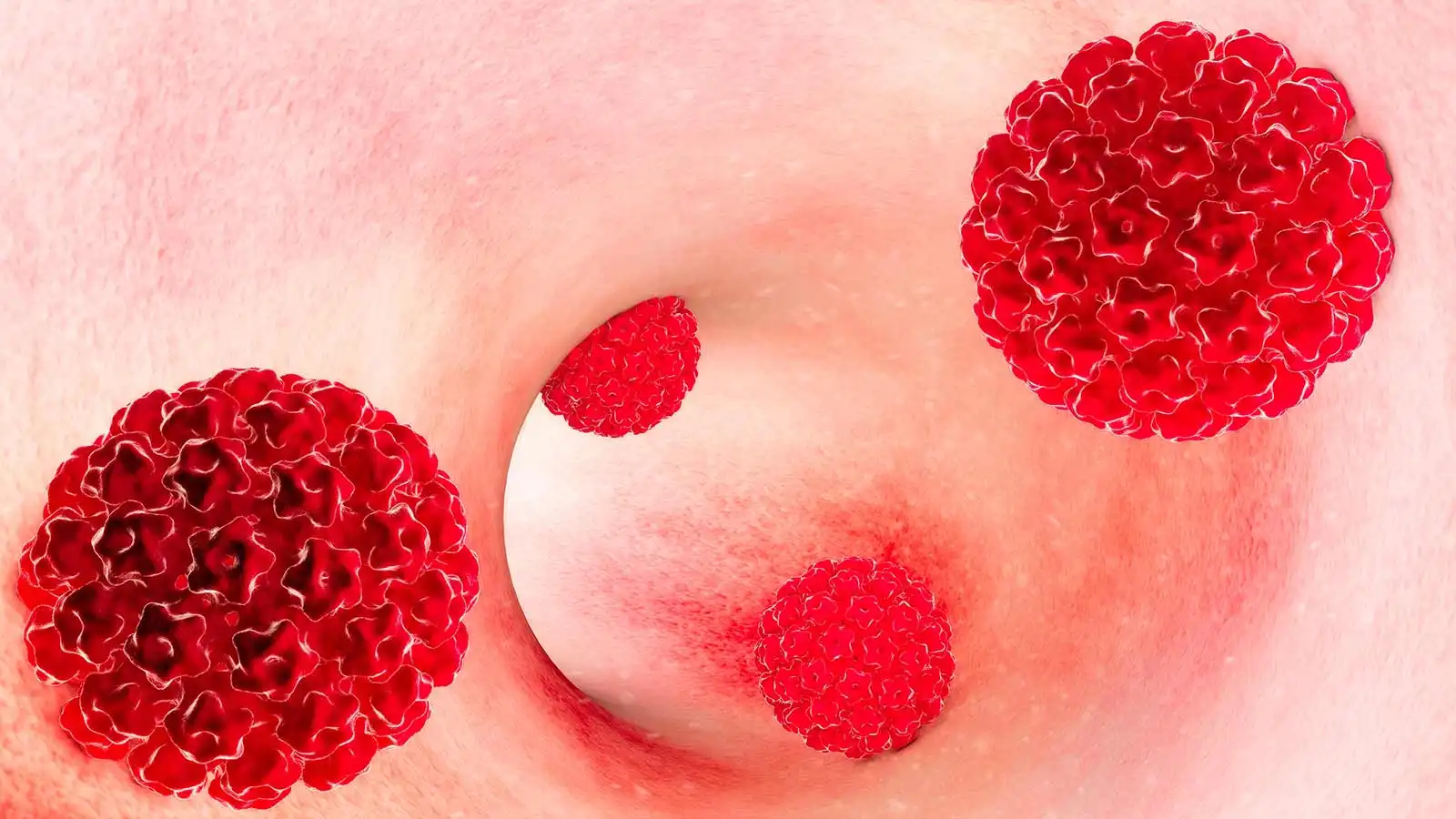
People with HIV and solid organ transplant recipients were significantly more likely to develop human papillomavirus (HPV)-associated anal, penile, vulvar, and cervical cancers, according to a Swedish retrospective case-control study.
Compared with age- and sex-matched controls in the general population, people with HIV were over four times more likely to develop any HPV-related cancer (adjusted odds ratio [aOR] 4.50, 95% CI 3.46-5.84), reported Christina Carlander, MD, PhD, of the Karolinska Institutet in Stockholm, and colleagues.
And transplant recipients had more than double the likelihood (aOR 2.23, 95% CI 1.85-2.68), with significantly increased odds observed after heart (aOR 2.91), lung (aOR 2.71), kidney (aOR 2.17), and liver (aOR 1.89) transplant, the findings in JAMA Network Open showed.
“Overall, our findings reinforce the importance of targeted prevention strategies in immunosuppressed populations and suggest that there is still room to improve both awareness and implementation of preventive measures in clinical practice,” co-author Eva Meglic, MSc, also of the Karolinska Institutet, told MedPage Today.
Among people with HIV, significantly increased odds were observed for anal (aOR 58.79), penile (aOR 8.05), vulvar (aOR 7.76), and cervical (aOR 2.55) cancers, with low CD4 counts — a marker of more advanced or less-controlled HIV — boosting those odds.
In the transplant recipients, increased odds were observed for the same four HPV-linked cancers: anal (aOR 2.70), penile (aOR 6.01), vulvar (aOR 7.07), and cervical (aOR 1.87) cancers.
No such associations were observed for HPV-related vaginal or oropharyngeal cancers in either group.
Long-term immune function impairment puts people with HIV and transplant recipients at increased risk of HPV-related cancers, Meglic explained, by reducing the immune system’s ability to clear persistent HPV infection and keep precancerous lesions from becoming cancerous.
HPV-related cancer risks are variable and shaped by a person’s immune status, treatment history, and sociodemographic factors. That requires an individualized and risk-informed approach to prevention, she said.
The broader risks faced by these two groups “highlight the importance of timely HPV vaccination, maintaining effective HIV viral suppression, optimizing immunosuppressive regimens where possible, and improving access to appropriate screening and early detection strategies in high-risk groups,” said Meglic.
The case-control study from Carlander, Meglic, and colleagues looked at Swedish adults from 1983 to 2024 and included 32,093 individuals with HPV-related cancers and 320,930 matched controls free of any HPV-related cancer.
Overall, about two-thirds were women and approximately 40% were younger than 50 years at cancer diagnosis. Cervical cancer was the most common HPV-related cancer (42%), followed by oropharyngeal (35%), anal (9%), vulvar (7%), penile (5%), and vaginal (1%) cancers.
Lower income and not being married were linked with greater odds of HPV-related cancers among people with HIV, Meglic said, which may reflect differences in healthcare access, preventive care engagement, or earlier detection.
Associations with sociodemographic factors were less consistent in transplant recipients; but overall, “the findings point to potential disparities in cancer prevention and diagnosis across both populations,” Meglic noted.
Study limitations included a lack of data on behavioral risk factors such as smoking, sexual behavior, and alcohol use (which could confound associations with non-HPV oropharyngeal and anal cancers), along with the possibility that some cancers could have been developing before an organ transplant.
[ad_2]
Source link : https://www.medpagetoday.com/transplantation/transplantation/121999
Author :
Publish date : 2026-06-30 21:44:00
Copyright for syndicated content belongs to the linked Source.