[ad_1]
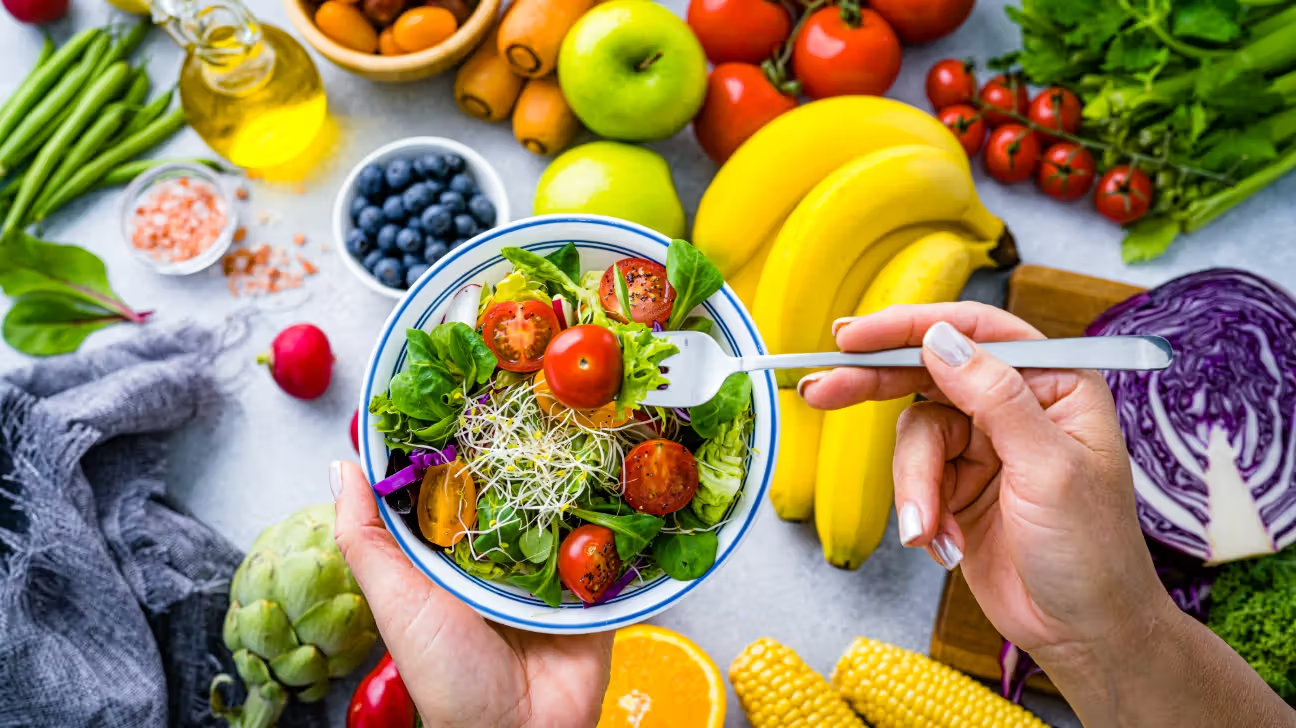
- One of the newest nutritional trends on TikTok is the “3-color rule.”
- The “3-color rule” encourages people to include at least 3 different naturally colorful plant-based foods in each meal.
- Different pigments in food represent certain phytonutrients and vitamins.
- By aiming for at least three different colors in your meals, you can naturally balance your nutritional intake. This can provide many health benefits, including weight loss.
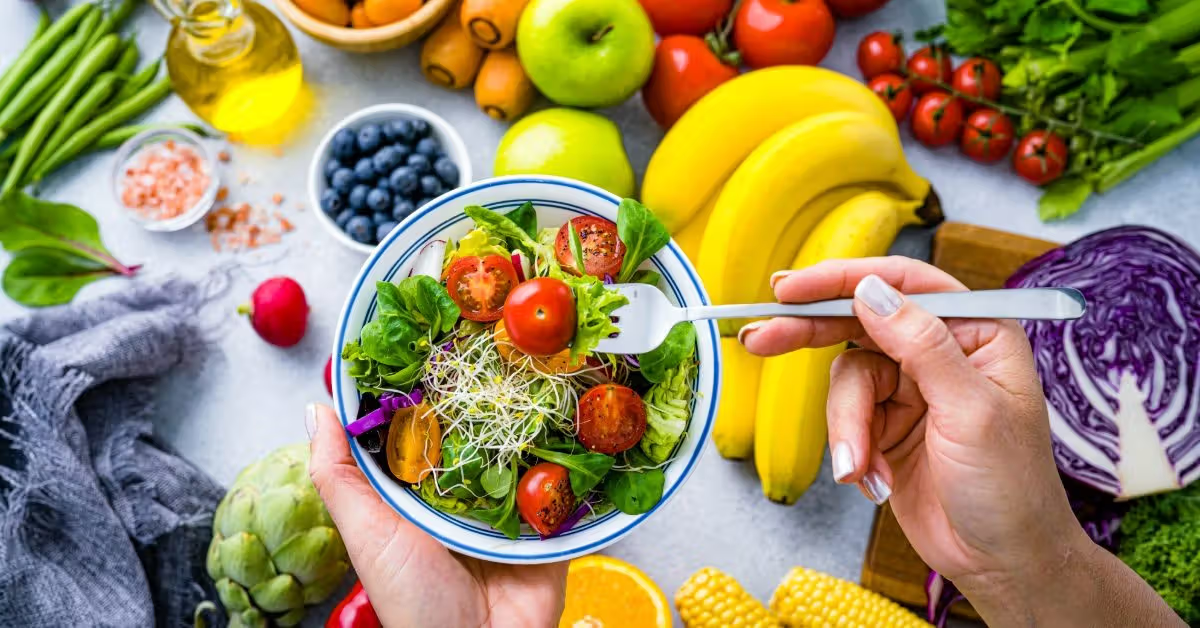
From proteinmaxxing to fibermaxxing, TikTok is full of nutrition trends that promise to help people eat healthier. One of the latest is the “3-color rule,” which encourages people to include at least three naturally colorful plant-based foods in every meal — even something as simple as a sandwich.
Also known as “eating the rainbow,” the concept itself isn’t new. But unlike many nutrition trends that gain traction on social media, this is one dietitians say can help people build a healthier, more balanced diet.
“I like the “3 color rule” trend because it’s simple and encourages people to add more variety to their meals instead of focusing on counting calories or tracking macros. If thinking about three natural colors gets someone to eat more fruits and vegetables, that’s a positive step,” Michelle Routhenstein, preventive cardiology dietitian at Entirely Nourished, told Healthline.
Experts say the approach may also support weight loss and provide a variety of other health benefits by making it easier to eat a wider range of nutrient-rich foods.
Research suggests that eating a wider variety of colorful fruits and vegetables may support healthy weight management.
A 2022 review found that diets rich in colorful plant foods were associated with improvements in several obesity and heart disease-related risk factors, including:
“Including [at least] three different naturally colored plant foods at meals can increase plant‑based dietary diversity and intake of fiber, water, and bioactive compounds that support satiety and gut health,” said Routhenstein
“This increases meal volume and nutrient density, making it easier to maintain an appropriate calorie intake without strict calorie counting to support weight loss and long‑term metabolic health.”
The benefits of the 3-color rule go beyond weight loss. Different-colored fruits and vegetables contain different vitamins, minerals, and plant compounds called phytonutrients. Eating a wider variety of colorful foods can help ensure you’re getting a broader range of nutrients that support overall health.
“Color signifies nutrient density. The deeper the hue, the more benefit. This is why we see so many beneficial studies on foods like coffee, dark chocolate, berries, cruciferous veggies, leafy greens, tomatoes, cranberries, etc. They are full of color and thus full of phytonutrients,” said Kristin Kirkpatrick, a registered dietitian.
Research suggests that focusing on colorful foods may also make healthy eating easier. Rather than tracking nutrients or calories, using color as a guide can help people naturally choose more nutritious foods.
Over time, eating a wider variety of colorful plant foods may help:
- increase your fiber intake
- boost energy
- support heart health
- strengthen immunity
- improve digestion
However, Routhenstein noted that “color alone doesn’t make a meal balanced. A meal can be colorful but still lack enough protein, fiber, or healthy fats, which are all important for heart health, blood sugar balance, weight management, nutrient adequacy, and satiety.”
Experts say the easiest way to follow the 3-color rule is to keep it simple. Rather than overthinking every meal, focus on gradually adding more colorful plant foods throughout the day.
“Know that color comes from plants only, so the more plants you consume, the more color you get,” Kirkpatrick said.
Kirkpatrick recommends looking for simple ways to add more color to meals you already enjoy. For example, you can try:
- adding berries to oatmeal in the morning to incorporate two or three colors
- adding tomatoes and carrots to salads alongside leafy greens
- trying colorful vegetables, such as purple cabbage, to introduce new foods into your diet.
She also noted that herbs, spices, and even some beverages can contribute to the 3-color rule.
“Keep in mind that color [also] comes from herbs & roots (think turmeric, oregano, paprika, cinnamon, cilantro), she said. “It also comes in coffee, tea, and other plant-based drinks.”
Routhenstein says building a more colorful diet can also start before you even prepare a meal.
“Before you check out [at the grocery store], take a look at your cart. Is it mostly one color, like green?” she said.
“Challenge yourself to add another color that you genuinely enjoy and know you’ll eat. For example, pick up some carrots or sweet potatoes for orange, tomatoes or red peppers for red, or berries for blue and purple. Building variety starts with what you bring home,” she added.
Small changes can also make a big difference. You can try:
- adding spinach to eggs, peppers to tacos, or tomato and cucumber to a sandwich
- pairing crackers with berries, adding apple slices to peanut butter, or keeping pre-cut vegetables visible in your refrigerator
- adding spinach and mushrooms to pasta sauce, topping pizza with peppers and onions, or mixing grated zucchini into meatballs
“I like the idea that color should be part of your diet because it may cause some to look deeper at their dietary pattern and work toward ultimately consuming more plants,” said Kirkpatrick.
[ad_2]
Source link : https://www.healthline.com/health-news/tiktok-3-color-rule-weight-loss
Author :
Publish date : 2026-07-16 02:00:00
Copyright for syndicated content belongs to the linked Source.