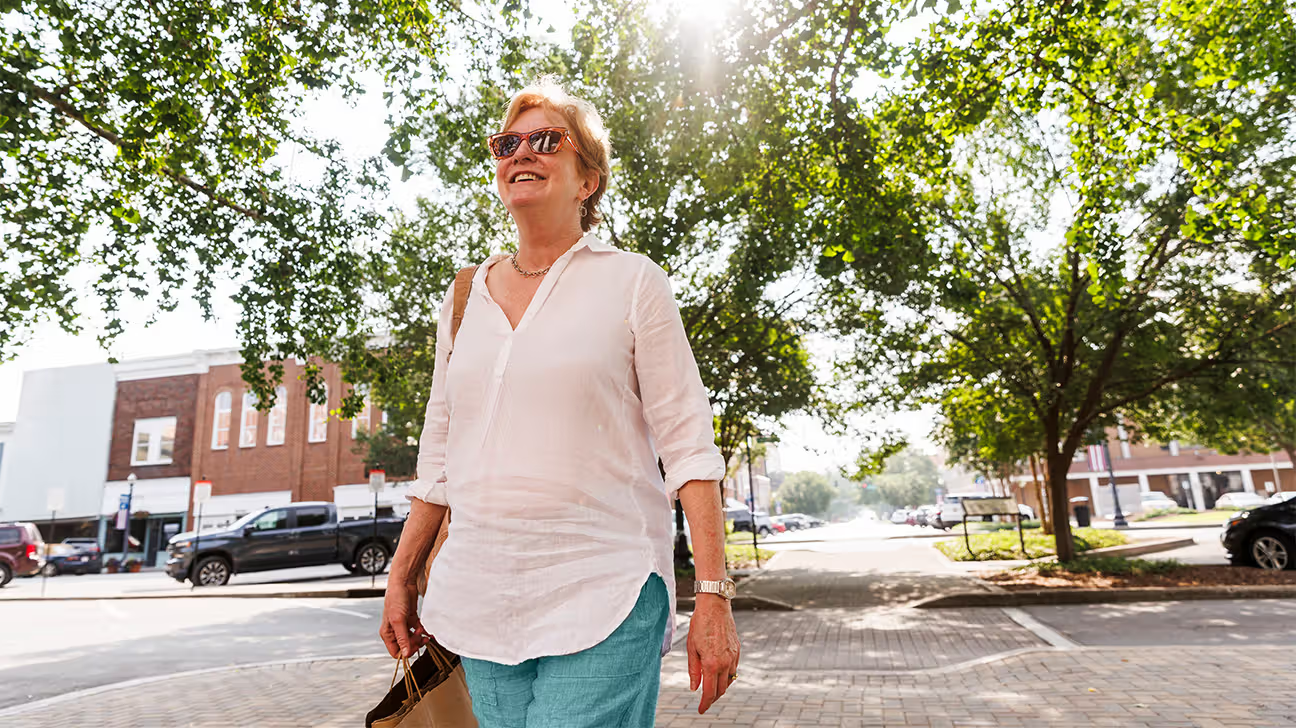
- A recent study found that walking for 10 minutes a day may lower the risk of early death by 15%.
- The study noted that a combination of sleep, nutrition, and physical activity aids in longevity.
- The study also suggested that reducing the time you spend sedentary by 30 minutes each day can help prevent about 4.5% of deaths.
Physical activity, sleep, and nutrition are key determinants of life span and health span. Life span is your life expectancy, while healthspan is the portion of your life span that is free of disease.
“There is much evidence showing that staying active both physically and mentally is important for healthy later life,” stated Sarah Gray, GP specialist in Women’s Health at St. Erme Medical in Truro, United Kingdom.
A new study published in
According to the study authors, combining these changes can also extend your health span. This means it can increase the number of years you may live without any major health complaints.
“These findings highlight the importance of considering lifestyle behaviors as a package rather than in isolation,” lead study author Nick Koemel, PhD, a research fellow in physical activity, lifestyle, and population health at the University of Sydney’s main campus in Camperdown, Australia, said in a press release.
“By targeting small improvements across multiple behaviors simultaneously, the required change for any single behavior is substantially reduced, which may help overcome common barriers to long-term behavior change.”
The research team studied 59,078 individuals from the UK Biobank, who were recruited between 2006 and 2010. The average age of the participants was 64 years, with 45.4% male.
Between 2013 and 2015, a subsample of participants was invited to wear an accelerometer for a week.
This measured their moderate-to-vigorous physical activity and sleep. Diet was assessed using a 10-item diet quality score, including their intake of:
Life span and health span were then estimated across 27 different combinations of sleep, physical activity, diet, and a composite score using life tables.
The study estimated that walking for as little as five minutes a day can lower the risk of early death (before 75) by 10% for most of the general population. However, walking for 10 minutes a day could potentially cut the risk by 15%.
For people who are the least active, a five-minute walk could reduce the risk of early death by 6%. The researchers suggested that reducing the amount of time people are sedentary (inactive and sitting) by 30 minutes each day could help prevent 4.5% of deaths.
“We are keenly aware that patients who had colon cancer had fewer recurrences if they were part of an intense exercise regimen, as was shown in previous studies,” said Nilesh Vora, MD, board certified hematologist and medical oncologist and medical director of the MemorialCare Todd Cancer Institute at Long Beach Medical Center in Long Beach, CA, who was not part of the study.
“This seems to fit in line with and support that hypothesis as well,” Vora told Healthline.
The researchers also found that a combination of an additional 5 minutes of sleep per day, 2 minutes of moderate to vigorous physical activity per day, and five DQS points (i.e., ½ serving of vegetables per day or 1.5 servings of whole grains per day) was associated with an additional year of life.
Whereas, an additional 24 minutes of sleep per day, four minutes of moderate to vigorous physical activity, and 23 DQS points (i.e., an additional 1 cup of vegetables, one serving of whole grains per day, and two servings of fish per week) were associated with an additional four years of healthspan.
“The findings of the study reinforce the premise that implementing small and sustained changes in simple lifestyle behaviors such as walking, improved nutrition, and sleep collectively make a significant difference in not only lifespan but more importantly, healthspan — the key indicator that demonstrates improved quality of life-years, not just additional years of life,” said Robert Glatter, MD, assistant professor of emergency medicine at the Zucker School of Medicine at Hofstra/Northwell, and emergency department physician at Northwell Health, who was not involved in the study.
Vora cautioned that, while these results are promising, more intensive research is needed before definitive conclusions can be drawn from this study.
Glatter told Healthline that this study reinforces the concept that sleep, nutrition, and exercise “do not exist in a vacuum.”
People need to optimize all three — in small amounts — to reap the benefits of a longer healthspan, he said.
He added that starting small can make it feel more achievable. This may include walking just a few minutes a day or taking the stairs instead of the elevator or escalator. These small changes can help add up.
“These cardiovascular markers are indicative of improved vascular health, and [are] an important marker for longevity,” said Glatter.
“The take-home message to the public is that small and incremental collective lifestyle changes in all three categories — nutrition, sleep, and exercise — have the greatest impact in improving healthspan, compared to a focus on only one category alone,” he added.
Glatter advised that investing in midlife and earlier can pay off in not just additional years of life, but, more importantly, meaningful and active years that lead to independence, improved cognition, and stronger muscles that help prevent falls and other injuries as you age.
Source link : https://www.healthline.com/health-news/daily-short-walk-may-lower-early-death-risk-study
Author :
Publish date : 2026-01-20 08:17:14
Copyright for syndicated content belongs to the linked Source.