- ADHD diagnoses rose among British Columbia residents under age 30 after a DSM-5 update in 2013 and the COVID-19 pandemic.
- Some of the sharpest post-pandemic increases were among teenage girls and young women, surpassing same-age males for the first time.
- Experts suggested the increase may be due to broader criteria and better awareness, but warned of potential misdiagnosis due to pandemic distress.
Incident attention deficit-hyperactivity disorder (ADHD) diagnoses rose over the past two decades and appeared to accelerate after the implementation of DSM-5 changes and the COVID pandemic, a retrospective study of 2.7 million children and young adults in Canada suggested.
In British Columbia from 2014 to 2019 — after diagnostic changes were introduced in the DSM-5 in 2013 — elementary-age girls and boys (ages 6 to 12 years) had annual incidence increases of 3.5 and 9.8 per 10,000, respectively. Annual incidence also climbed by 6.7 to 7.8 per 10,000 among high schoolers ages 13 to 17, and by 2.3 per 10,000 among young women ages 18 to 29, reported researchers led by Zishan Cui, PhD, of the University of British Columbia in Vancouver.
In a second surge from 2021 to 2023 — after the COVID-19 pandemic started — incidence spiked among preschool boys ages 3 to 5 years (14.8 per 10,000 annual increase), elementary-age children (20.2 to 23.7 per 10,000 annual increase), high schoolers (7.4 to 12.7 per 10,000 annual increase), and young adults (7.3 to 13.5 per 10,000 annual increase), according to the findings in JAMA Network Open.
Some of the sharpest increases occurred among teenage girls and young women, “with incidence surpassing that of same-aged males for the first time on record,” Cui told MedPage Today.
“Pandemic-related stressors may have further intensified ADHD symptoms and facilitated the identification of previously unmet needs, with female adolescents and young adults potentially being more vulnerable to social disruptions than males,” the researchers noted. Increased public and clinical awareness of ADHD may have also contributed to a spike in recognition and help-seeking behaviors, they added.
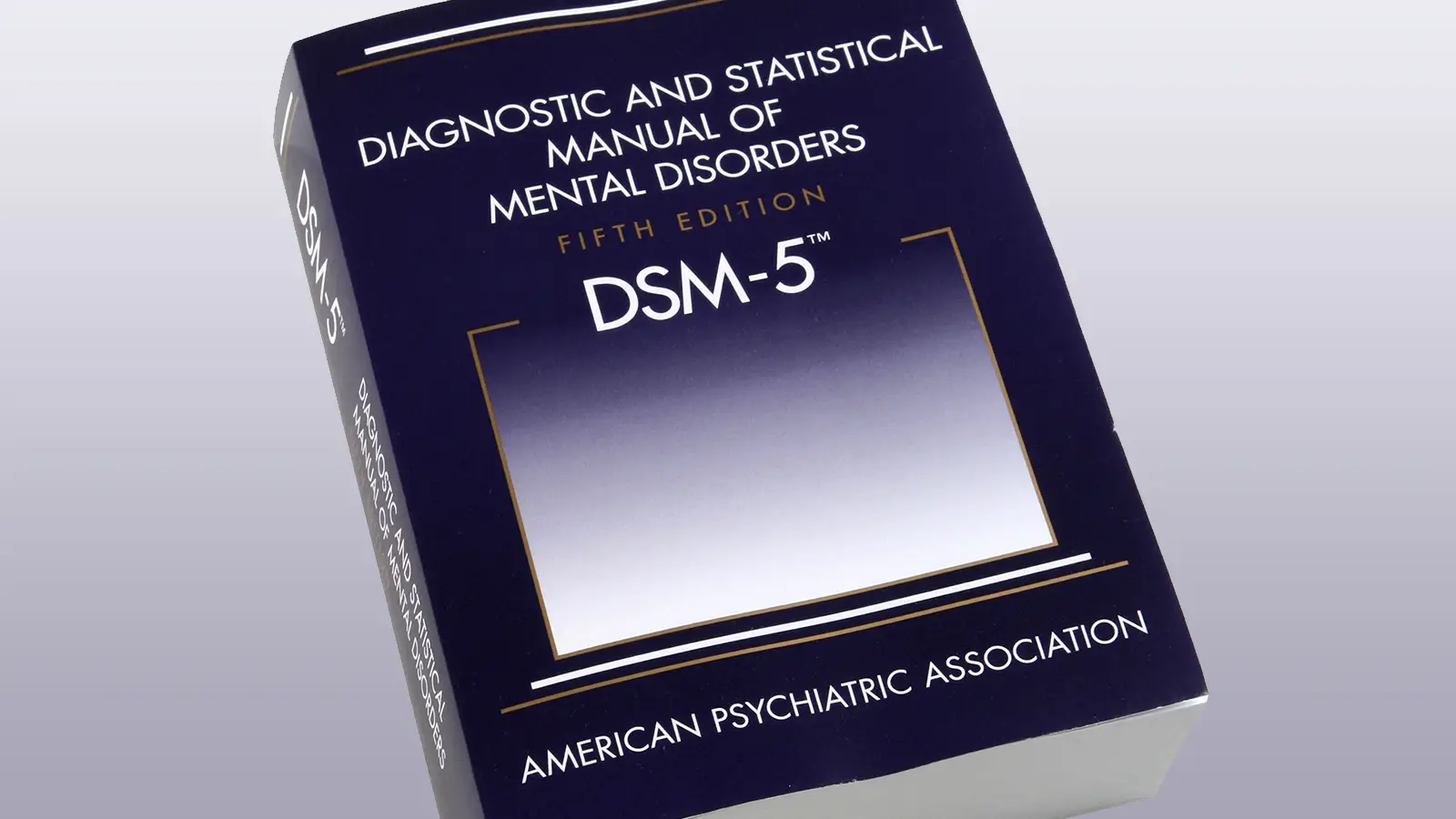
Revisions to the DSM-5’s diagnostic wording may have led to the post-2013 increase, Cui’s group suggested. The DSM-5 retained the DSM-IV’s core 18 symptoms for ADHD, but eased the onset criterion, saying that symptoms must now appear before age 12, not age 7.
While more people are now receiving necessary treatment for ADHD, a “substantial proportion” may still remain undiagnosed, observed Samuele Cortese, MD, PhD, of the University of Southampton in England, in an accompanying commentary. This is a concern given evidence that ADHD medication reduces adverse outcomes like mortality, suicidal behaviors, substance misuse, accidental injuries, transport accidents, and criminality, he said.
A rising incidence rate may reflect some inappropriate or erroneous diagnoses, Cortese noted. “ADHD symptoms are nonspecific rather than pathognomonic, increasing the risk of misdiagnosis when differential diagnoses are insufficiently considered, again underscoring the need for robust clinical training,” he stated.
“In this regard, the increased incidence of ADHD observed following the COVID-19 pandemic might reflect pandemic-related distress that was in some cases inappropriately interpreted as ADHD,” Cortese pointed out.
“Although misdiagnosis and inappropriate diagnosis may contribute to increases in ADHD incidence, evidence from multiple countries and regions suggests that underdiagnosis and undertreatment continue to represent the primary challenges,” he added.
The cohort study examined over 2.7 million enrollees in British Columbia’s universal health plan from 2003 to 2023. Patients ranged in age from 3 to 29 years, and 50.8% were male. Cui and co-authors examined administrative data that included physician visits, hospitalizations, prescription dispensations, and demographic information.
ADHD diagnoses were identified using a validated algorithm based on physician visits, hospitalizations, or ADHD-specific prescriptions. To ensure incident diagnoses, the researchers required at least 3 years of provincial health plan enrollment and excluded patients with prior ADHD diagnoses.
The study may have missed individuals with ADHD who were undiagnosed or managed exclusively through private settings, Cui’s group noted. Causal links between DSM-5 implementation, the pandemic, and diagnostic patterns cannot be determined, they added.
Source link : https://www.medpagetoday.com/psychiatry/adhd-add/120725
Author :
Publish date : 2026-04-09 21:20:00
Copyright for syndicated content belongs to the linked Source.