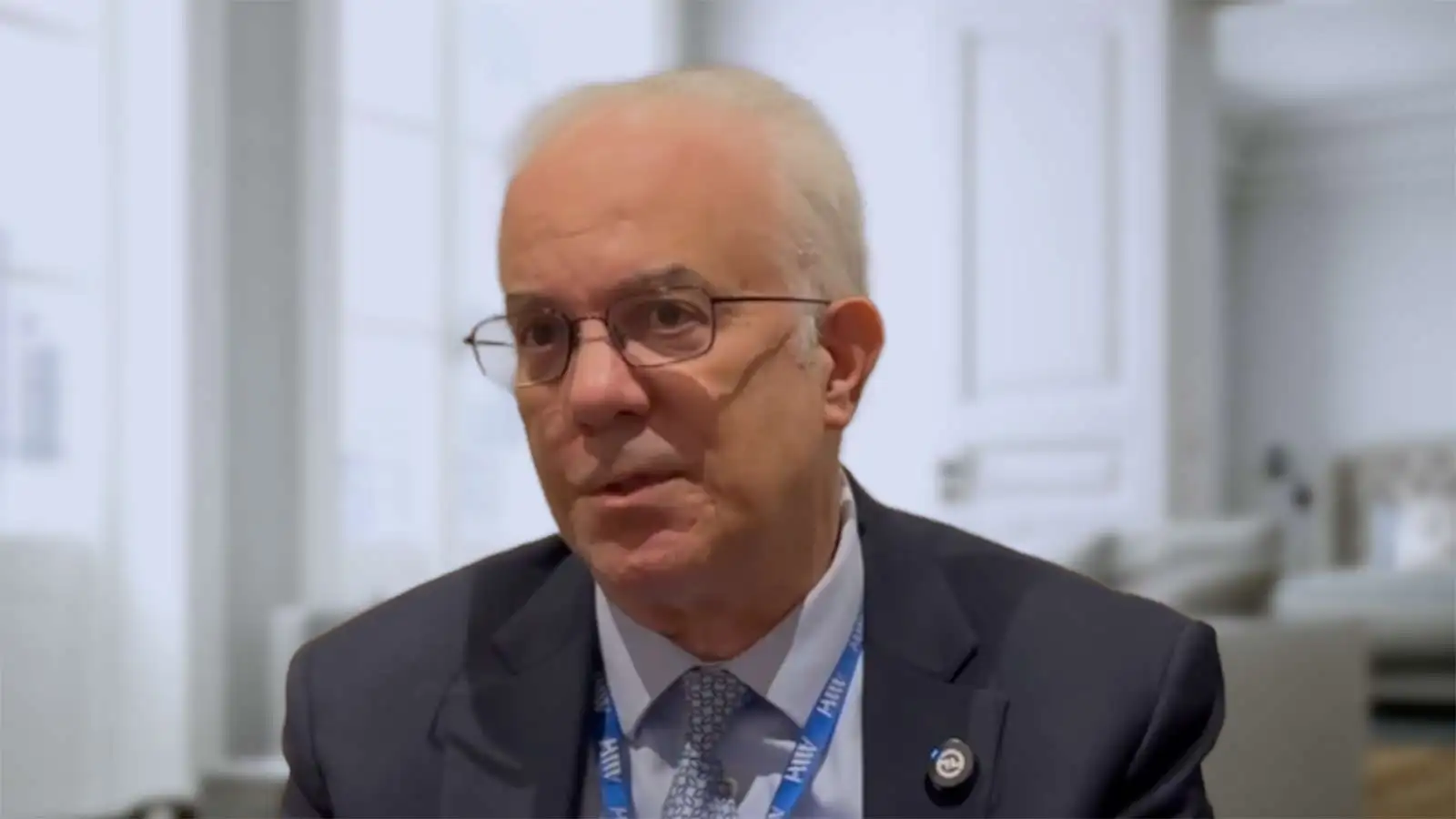
The KIT inhibitor avapritinib (Ayvakit) maintained symptom improvement and reduced mast cell burden in patients with indolent systemic mastocytosis for an average of 4 years, according to long-term data presented at the American Academy of Allergy, Asthma & Immunology (AAAAI) annual meeting.
In this exclusive MedPage Today video, Cem Akin, MD, PhD, of the University of Michigan in Ann Arbor, discusses the long-term efficacy and safety findings from the PIONEER trial, which helped lead to FDA approval of avapritinib for indolent systemic mastocytosis in 2023.
Following is a transcript of his remarks:
PIONEER was a trial in non-advanced mastocytosis. It had three parts, and the first part was a dose-finding trial where 25-, 50-, and 100-mg doses were tested in a small number of patients. And the company, based on the efficacy and safety data, wanted to go with the 25 mg for the second part of the study, which is placebo versus 25 mg of avapritinib.
So the second part of the study then followed the patients for 6 months and reported patient-reported outcomes like symptom improvement, which was the primary outcome, but also looked at mast cell burden parameters like KIT D816V mutation burden, tryptase levels, or mast cell burden in the bone marrow. And the trial was successful in that it met the primary endpoint, which means that it reduced the symptom scores significantly as compared to placebo. And it also reduced the mast cell burden, which correlated with this nice symptomatic reduction.
So that was at 6 months of data cutoff. And these results were published in the New England Journal of Medicine Evidence, and they formed the basis of approval of avapritinib as the first drug by the Food and Drug Administration in 2023 for treatment of non-advanced systemic mastocytosis.
Since then, of course, we had more experience with these patients and also patients who are prescribed avapritinib commercially, but I want to focus specifically on the poster presented, which looks at an average of 4-year data. And why is that important? Because mastocytosis is a chronic disease. And even though these drugs significantly improve the quality of life and the symptoms, they don’t necessarily cure the disease. So it is important to get longer-term data about their safety and efficacy.
So in the 6-month trial, the drug also was very safe and it did not have any significant or serious side effects to speak of. And in the 4-year trial, now we are extending those observations. There were some patients who were on the drug for more than 5 years, but on average 4-year follow-up. And the efficacy was sustained at the same level, maybe slightly even improved at 4 years than at 6 months and 1-year timeframes.
There were no additional significant safety events. The most common side effect was edema, either periorbital or pretibial edema, and it proved to be very safe.
One of the things that was of special concern was that it came from trials of avapritinib in advanced disease at higher doses, 200 mg, for example, as opposed to 25 mg in non-advanced disease. When it’s used at that dose, and in patients with low platelet counts in advanced disease, some of those patients experienced intracranial bleeds and some cognitive dysfunction. And that was particularly important to follow in the non-advanced PIONEER trial, and none of those adverse events were encountered.
Source link : https://www.medpagetoday.com/meetingcoverage/aaaai-video-pearls/120314
Author :
Publish date : 2026-03-16 15:28:00
Copyright for syndicated content belongs to the linked Source.