[ad_1]
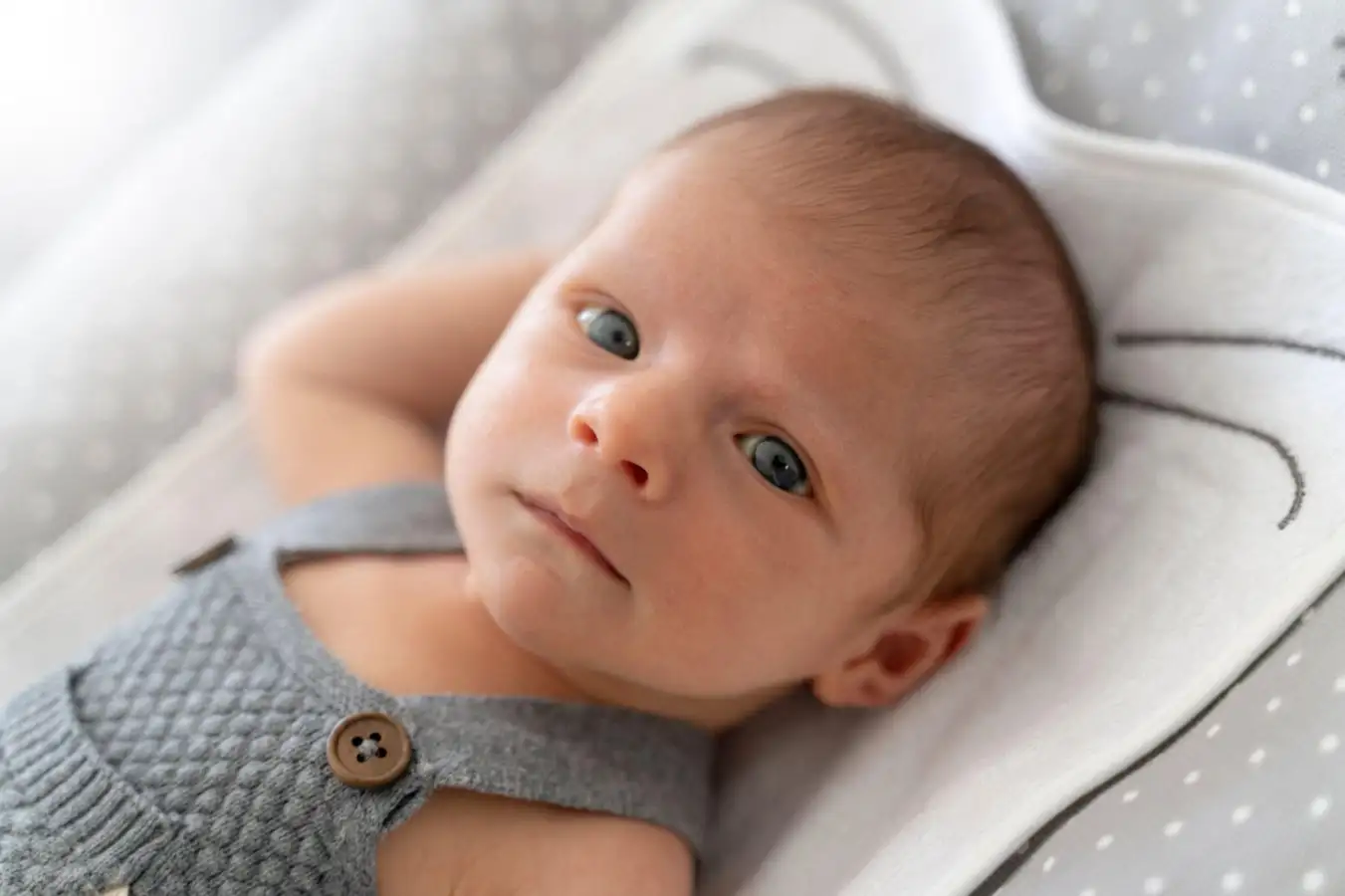
We are born with an understanding of numbers, which has probably given us a huge evolutionary advantage
Marc Calleja / Alamy
Babies are born with an innate sense of numbers, and now, the brain mechanisms behind this ability have been identified for the first time. Within days or even hours of being born, a group of babies could distinguish between four and 12 stimuli, with their brain activity showing how this rudimentary sense of numerosity is in place.
“Extracting numerical information from the environment is just like seeing the world in colour, for most people,” says Brian Butterworth at University College London, who wasn’t involved in the research. By which, he means that having a sense of numbers is part of our essential “start-up” toolkit. Just as you look at a bowl of pears and perceive them as green without having to reason, the brain is also primed to extract an approximate quantity from a scene.
Marco Buiatti at the University of Trento in Italy and his colleagues wanted to examine the brain mechanisms that support our innate sense of numbers, which isn’t acquired through language or culture. They fitted 21 newborns aged between 0 and 3 days old with an EEG cap containing sensors that monitor electrical activity across the brain.
Studying cognition in newborns isn’t easy, says Buiatti. “They open their eyes for a minute or two, and that’s all. It’s complicated and slow, but so rewarding when we get results.”
During moments of alertness, the babies listened to a 90-second recording of a voice repeating sounds, arranged in groups of either four or 12 syllables. “Something like: la, la, la, la,” says Buiatti. The researchers simultaneously showed the babies a visual stimulus containing either four or 12 dots, for up to 50 seconds.
They found that electrical activity in the babies’ parietotemporal area – which perceives and organises sensory information – decreased when the number of dots matched the number of syllables being spoken, but not when an incongruent number was displayed.
This fits with what is known about the adult brain. When we sense a repeated stimulus, our brain reduces its response to it in an adaptive process known as repetition suppression. This allows the brain to work more efficiently, without having to process every repeated input as if it were new.
When a mismatched number of dots was presented to the babies, their neural activity rose. “Seeing a new number of dots releases the brain from this adaptation effect,” says Buiatti. “It’s the first time we’ve shown a neural mechanism for this innate sense of number.”
This innate ability has clear evolutionary value, he adds. The rapid ability to distinguish between one and many predators, or one and many food items, say, would have given an important survival advantage.
We also know that a child’s number sense at 1 year old predicts their maths skills several years later. Understanding the brain mechanisms involved in this sense may help researchers identify children at risk of dyscalculia (a learning difficulty that affects a person’s ability to understand, recall or use numerical information), says Buiatti.
“Studying the neural implementation of number sense at birth is important because it is the basis for the development of higher math functions later on, and with further research this result could help in the designing of an early neural biomarker of the risk of developing dyscalculia,” he says.
Topics:
[ad_2]
Source link : https://www.newscientist.com/article/2532352-babies-are-born-with-the-neural-foundations-for-maths/?utm_campaign=RSS%7CNSNS&utm_source=NSNS&utm_medium=RSS&utm_content=home
Author :
Publish date : 2026-06-30 15:00:00
Copyright for syndicated content belongs to the linked Source.