
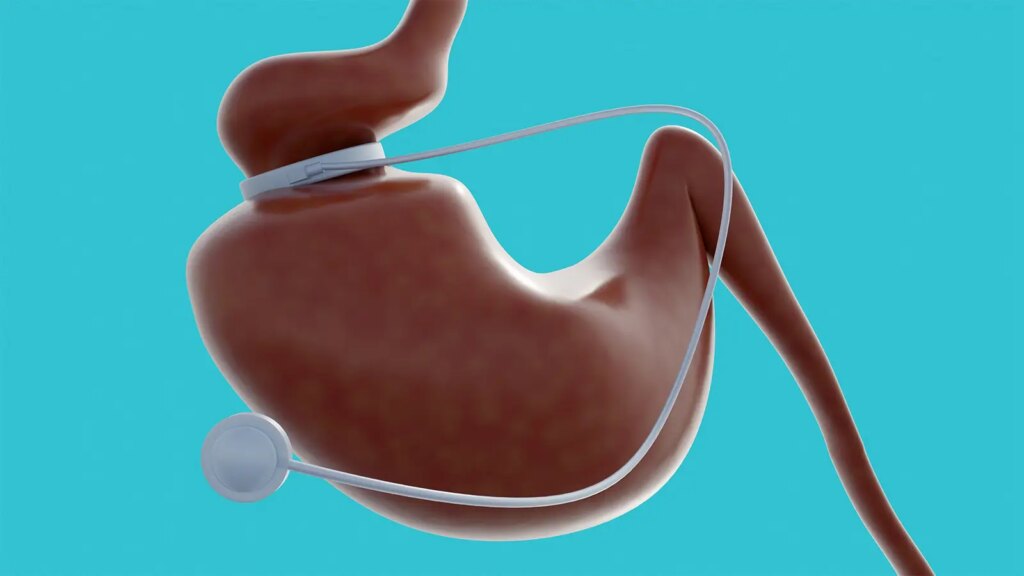
Integrating the most effective obesity treatments into cancer survivorship offers “an unprecedented opportunity” to improve long-term outcomes in cancer, including survival, a trio of obesity and oncology specialists argued in a viewpoint article.
Efforts to optimize cancer survival have, thus far, included little emphasis on management of obesity, a key modifiable risk factor. Despite almost universal support for maintaining a healthy weight in cancer patients, the most effective anti-obesity therapies — bariatric surgery and GLP-1 agonists — have received scant attention in consensus guidelines and clinical research.
“Obesity now rivals, and is soon expected to overtake, smoking as the leading preventable cause of cancer,” stated Ryan Howard, MD, Melissa Pilewskie, MD, and Lesly Dossett, MD, of the University of Michigan in Ann Arbor, in JAMA Oncology. “Whereas smoking cessation has been universally embraced as an essential component in survivorship care, the treatment of obesity has remained peripheral. What is more, when treatment is offered, it often amounts to eat less and move more.”
“Integrating already-available, highly effective, and safe obesity therapies into survivorship care represents one of the most actionable and impactful opportunities to improve outcomes, quality of life, and longevity for millions of cancer survivors,” they added.
Recognition of obesity as a threat to cancer outcomes has improved substantially in recent years, but a paucity of data has accumulated to show that use of bariatric surgery and modern anti-obesity medications significantly improve outcomes, said Julie Gralow, MD, chief medical officer for the American Society of Clinical Oncology (ASCO).
“Also, I think [the article] sort of downplays some of the data on benefits of lifestyle changes, including weight loss and exercise,” Gralow told MedPage Today.
For example, separate studies reported at the 2025 ASCO meeting showed that exercise was associated with significantly better survival in operable colon cancer whereas a diet high in pro-inflammatory foods was associated with worse survival.
“Of course, there are major side effects with both bariatric surgery and GLP-1 agonists,” said Gralow. “You can’t downplay that and say this is the only thing.”
The optimal approach to weight management remains open to discussion, she continued. For example, a recent observational study from Israel showed a similar effect of bariatric surgery and GLP-1 agonists on obesity-related cancer development despite greater weight loss with surgery. The finding lent support to the theory that GLP-1 agonists may reduce cancer risk by means other than weight loss, such as anti-inflammatory effects. And a study reported 2 years ago at ASCO showed that GLP-1 agonists had a greater effect on obesity-related cancers as compared with bariatric surgery despite greater weight loss with surgery.
The discussion will continue at the 2026 ASCO meeting in late May.
“As you can imagine, everybody is very interested in this,” said Gralow. “I’m not sure that any of [the 2026 abstract presentations] are going to say anything new. None of them were randomized studies, but it will still be a major discussion at the annual meeting.”
In stating a case for greater use of bariatric surgery and GLP-1 agonists in oncology, Howard, Pilewskie, and Dossett contended that clinical guidelines and research focus on diet and physical activity, “interventions that typically achieve less than 5% total body weight loss, have short-term durability, and produce only modest improvements in cancer outcomes.”
“Conversely, bariatric surgery … regularly achieves more than 20% total body weight loss that is sustained for decades after surgery,” they continued. “Because of its effectiveness, bariatric surgery has been shown to substantially reduce cancer risk. Specifically, bariatric surgery reduces the risk of developing an obesity-associated cancer by 30% and cancer-related mortality by 50%. GLP-1 receptor agonist medications … though less well studied, appear to similarly reduce the risk of developing some obesity-associated cancers by approximately 15%.”
Despite a “proven impact on cancer outcomes,” data in the medical literature suggest the interventions are “profoundly underutilized in cancer survivors with obesity.” As examples, the authors cited studies of breast and endometrial cancer, both having strong associations with obesity, showing that fewer than 1% of patients underwent bariatric surgery after completing cancer treatment.
The authors cited four barriers that “perpetuate poor uptake of available evidence-based therapies” for obesity in cancer survivors: stigma and misconceptions about obesity, clinician discomfort and lack of knowledge regarding obesity and treatment recommendations, fragmented care and unclear ownership of responsibility for managing obesity, and lack of patient awareness and barriers to engagement.
The trio offered three recommendations as a path forward for integrating obesity treatment: addressing an “urgent” need for research to understand barriers and opportunities for integration of obesity treatment; incorporation of obesity treatment into survivorship guidelines and policy; and health system activating and embedding principles of obesity management into existing cancer survivorship programs.
Please enable JavaScript to view the comments powered by Disqus.
Source link : https://www.medpagetoday.com/hematologyoncology/othercancers/120715
Author :
Publish date : 2026-04-09 16:41:00
Copyright for syndicated content belongs to the linked Source.