
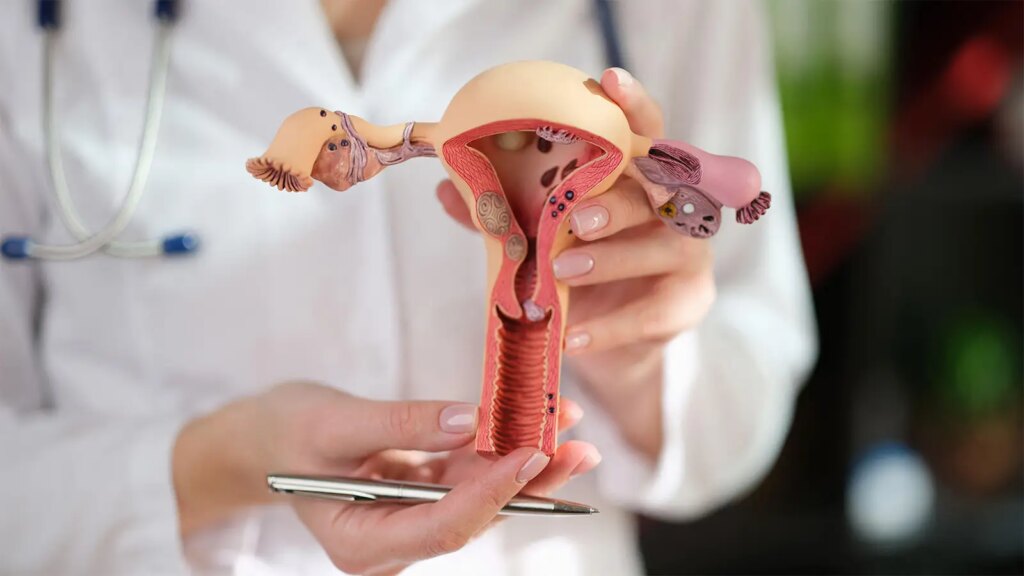
- Beginning in 2016, the Baylor University Medical Center research uterus transplant protocol allowed 20 uterus transplants in consenting women, after which transplantation was offered clinically.
- As of April at the single center, 33 women with a viable transplanted uterus underwent embryo transfer, resulting in 47 pregnancies among 31 women.
- Maternal complications occurred in 8 of 27 women, and obstetric complications occurred in 14 of 31 live birth pregnancies.
A single-center study continued to show the feasibility of live birth after uterus transplantation among women with absolute uterine infertility.
As of April at the Texas medical center pioneering the procedure, 33 women with a viable transplanted uterus underwent embryo transfer, resulting in 47 pregnancies among 31 women, reported Liza Johannesson, MD, PhD, of Baylor University Medical Center in Dallas, and colleagues in a research letter in JAMA.
Ultimately, there were 31 live births among 27 women (23 women delivered one child, and four women delivered two children), and there were four pregnancies ongoing.
“These data support the feasibility of uterus transplant in specialized, multidisciplinary centers capable of integrating transplant surgery, reproductive medicine, and maternal-fetal care,” the authors wrote.
Johannesson told MedPage Today that “this study is important because uterus transplantation is rapidly moving from an experimental procedure to a real clinical option for women with uterine-factor infertility, yet robust outcome data remain limited.”
More than 60 children have been born worldwide since the first reported live birth after uterus transplantation in 2014, the authors noted. Beginning in 2016, the Baylor University Medical Center research uterus transplant protocol allowed 20 uterus transplants in consenting women, after which transplantation was offered clinically. Twelve live births from the initial 20 procedures were previously reported, followed by two additional births reported in 2024.
“By reporting the largest single-institution experience to date, it helps fill critical gaps in understanding success rates, maternal and obstetric risks, and neonatal outcomes,” Johannesson said. “This is the first time that our population is large enough to start seeing real trends. These data are essential for guiding patient counseling, refining clinical protocols, and supporting the safe integration of uterus transplant into routine care as the field matures.”
Maternal complications occurred in 8 of 27 women, including gestational diabetes (11%), gestational hypertension (11%), preeclampsia without severe features (3%), and tacrolimus-associated mild kidney insufficiency (3%). Graft loss, thromboembolic events, or severe infectious morbidity did not occur during or after pregnancy.
Obstetric complications occurred in 14 of 31 live birth pregnancies, including preterm premature rupture of membranes (16%), spontaneous preterm labor (13%), and cervical insufficiency requiring cerclage (10%). Five women experienced postpartum hemorrhage, with three retaining the transplanted uterus.
As for neonatal outcomes, median birth weight was 2,900 g, corresponding to roughly the 47th percentile, and all newborns had 5-minute Apgar scores of at least 7, which is considered normal. Eleven newborns were admitted to the neonatal intensive care unit, and congenital anomalies, including hypospadias, macrocephaly, anteriorly displaced urethra, and familial congenital ptosis, were identified in four newborns.
“Unlike recipients of life-saving solid organ transplants, uterus transplant recipients are typically healthy, with limited [numbers] exposed to immunosuppression,” Johannesson and colleagues noted. “This distinction may contribute to the absence of fetal growth restriction and favorable neonatal profiles.”
However, pregnancy loss did occur in both the first trimester (seven losses in six women) and second trimester (four losses in three women).
One woman experienced two consecutive second-trimester miscarriages, “attributed to cervical insufficiency and addressed with abdominal cerclage placement,” the authors wrote. This woman subsequently delivered at full term. One woman experienced intrauterine fetal demise at 17 weeks after two prior live births, while another experienced pregnancy loss at 15 weeks.
Overall, 44 women underwent uterus transplantation between 2016 and March 2026. One month after the procedure, 37 women had a viable transplanted uterus. Of the 47 clinical pregnancies in 31 unique women, 39 continued to at least 14 weeks’ gestation.
These findings can “help clinicians better counsel patients,” Johannesson said, adding that “once pregnancy reaches mid-gestation, the chance of live birth is very high, and neonatal outcomes are generally reassuring.”
“However, preterm birth remains a key risk, though it can be reduced with optimized protocols, including timing of delivery,” she noted. “Close monitoring for cervical and placental complications is important, and care should be delivered in specialized multidisciplinary centers.”
As for limitations of the study, Johannesson and colleagues pointed out that absolute uterine infertility “occurs across all socioeconomic strata,” and that “generalizability of this single-center experience is limited to patients with the time or resources for this novel procedure.”
“As this field matures, support for the full spectrum of patients in need should be developed,” they wrote.
Please enable JavaScript to view the comments powered by Disqus.
Source link : https://www.medpagetoday.com/obgyn/infertility/121068
Author :
Publish date : 2026-05-01 16:24:00
Copyright for syndicated content belongs to the linked Source.