[ad_1]
When a previously healthy 7-year-old girl limped into the emergency department with unexplained leg pain, a detailed dietary history became critical to diagnosing and ultimately treating her.
She’d had pain in both her legs and a limp for over 6 weeks. She had not fallen, had no direct trauma, and was not involved in any high-impact activities, reported Emanuele Savasta, MD, of the Regina Margherita Children’s Hospital at the University of Turin in Italy, and co-authors in NEJM Evidence.
She was in the 50th percentile for both weight and height, had normal neurological development, and the rest of her body felt fine.
While the team initially formed a broad differential diagnosis, the breakthrough came when they asked about her diet, co-author Franca Fagioli, MD, also of the Regina Margherita Children’s Hospital, told MedPage Today.
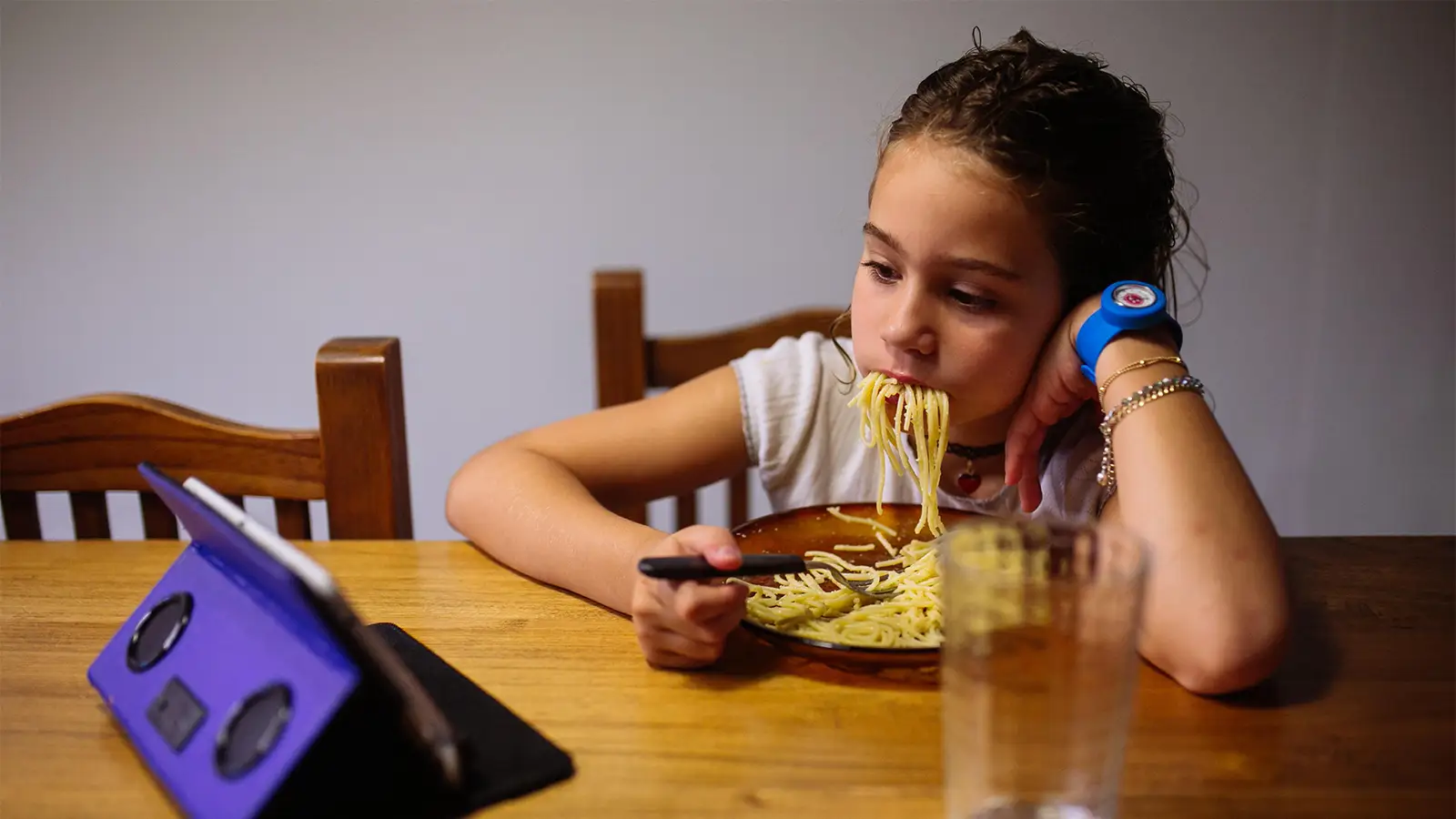
They learned that she subsisted on mostly dairy and refined carbohydrates, ate very few fruits and vegetables, and largely avoided fruit juice and vitamin supplements, which raised concern for potential vitamin C deficiency.
Vitamin C deficiency, traditionally known as scurvy, is thought of as a “disease of the past,” Fagioli said.
Anna Ryabets-Lienhard, DO, director of the pediatric bone and mineral disorders program at Children’s Hospital Los Angeles who wasn’t involved in the study, said the classic presentation of scurvy was seen in sailors who developed bleeding gums and bruises, in addition to bone deformities. Out at sea for long stretches, they ate meats and carbohydrates, but not vegetables and fruits, she said. That’s how vitamin C deficiency was discovered, she noted.
Pediatric cases, Fagioli said, occur “almost exclusively” in patients with underlying neuropsychiatric or developmental disorders, such as autism spectrum disorders or cerebral palsy — populations prone to extreme food aversions.
So, it was “particularly surprising” that this young and seemingly healthy girl who lacked any neurocognitive or developmental problems had “severe dietary selectivity,” Fagioli added. Another surprise: the patient was “perfectly well-nourished with normal growth indices,” she said.
“They may have normal growth, normal or even excess weight, but still actually be malnourished,” because their diets are so poor, Ryabets-Lienhard said.
While clinicians may reflexively link vitamin C deficiency with gum bleeding or petechiae of the skin, Ryabets-Lienhard noted that in children, “especially early on, we may not see the bleeding part, but the bone complaints predominate.”
The team’s broad differential diagnosis included musculoskeletal overuse syndromes, hip abnormalities, systemic inflammatory conditions, infectious causes, and hematologic or oncologic malignancies.
On questioning, the patient said she’d had no fevers, tick bites or recent upper respiratory, gastrointestinal, or skin symptoms and did not feel fatigued. Blood tests also found no signs of infection or recent exposure from either Borrelia burgdorferi, which causes Lyme disease, or Mycoplasma pneumoniae, which causes “walking pneumonia.”
Fagioli said the team ruled out acute bacterial infections based on the lack of fever, negative blood cultures, and the lack of focal cortical destruction — erosion of the outer layer of bone — joint effusion, or abscesses on x-rays.
“Malignancy and leukemia were ruled out because the complete blood count showed no leukocytosis or thrombocytopenia, and the peripheral blood smear was entirely free of blasts,” she added.
X-rays found no aggressive lytic destruction, cortical disruption, or periosteal reactions, typical of primary bone tumors, Fagioli said. However, they did capture “subtle sclerosis” of the lower femur.
Ultimately, the team’s clinical suspicion of scurvy was confirmed by a “markedly reduced serum vitamin C concentration” (<0.5 mg/l), Fagioli said. In addition, MRI findings of symmetric bone marrow and soft-tissue edema "strongly aligned with the diagnosis," she said. However, these features can "significantly overlap" with chronic nonbacterial osteomyelitis.
“Finally, the rapid and complete resolution of symptoms within 3 weeks of starting oral vitamin C supplementation provided definitive confirmation,” Fagioli said.
Beyond the importance of taking a detailed dietary history in all children with chronic limb pain — even those without neurodevelopmental conditions — Fagioli stressed that pediatric scurvy often presents predominantly with musculoskeletal symptoms, and often lacks the “textbook signs” like gingival changes — swelling, bleeding gums.
Notably, Fagioli added, “vitamin C repletion combined with dietary counseling is highly effective, leading to rapid, complete recovery.”
[ad_2]
Source link : https://www.medpagetoday.com/casestudies/endocrinology/121518
Author :
Publish date : 2026-06-01 12:44:00
Copyright for syndicated content belongs to the linked Source.