
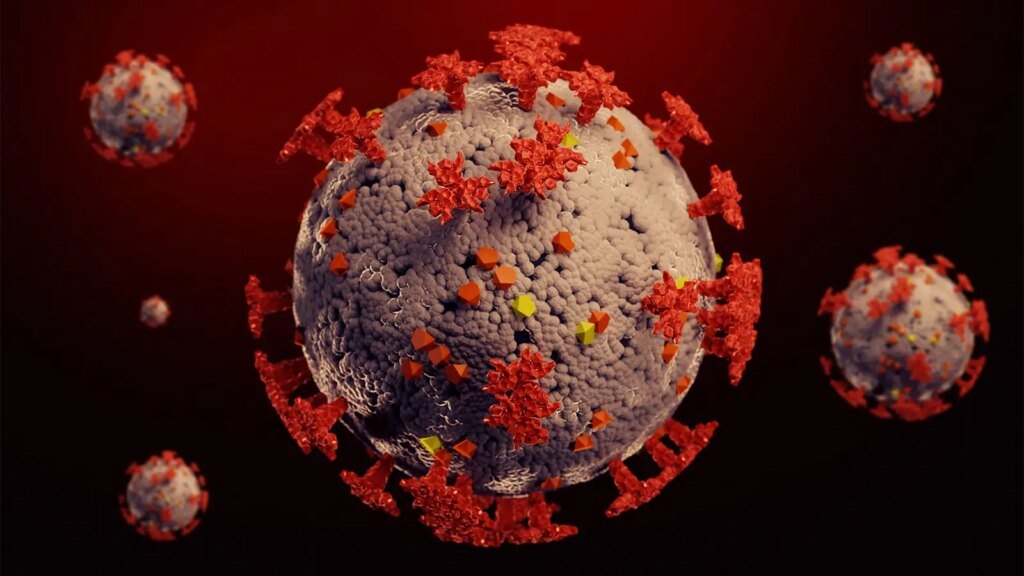
- The SARS-CoV-2 variant BA.3.2 spread slowly before being detected in at least 23 countries in five continents by February.
- The prevalence of BA.3.2 was 0.55% among 5,238 U.S. samples collected from December 2025 to mid-March.
- BA.3.2’s in-vitro ability to evade antibodies, likely due to spike protein mutations, highlights the need for ongoing genomic surveillance, researchers said.
A SARS-CoV-2 variant that’s better at evading immune responses and resisting antibodies induced by current COVID-19 vaccines may be on the rise, but its prevalence remains low in the U.S., according to a CDC report.
First detected in South Africa in November 2024, the SARS-CoV-2 variant BA.3.2 spread slowly before being detected in at least 23 countries in five continents by February 2026. BA.3.2 is distinct from the dominant JN.1 lineages circulating in the U.S. since January 2024, including LP.8.1 and XFG, reported Mila Shakya, DPhil, of the CDC’s National Center for Immunization and Respiratory Diseases, and colleagues in the Morbidity and Mortality Weekly Report.
The first detected U.S. case of BA.3.2 was found in June 2025 in a person traveling from the Netherlands, with three detections in U.S. patients across three states by January, including two hospitalized older adults with comorbidities. All three patients survived.
The prevalence of BA.3.2 was 0.55% among 5,238 U.S. samples collected from December 2025 to mid-March, with the variant detected in wastewater samples from 29 states and Puerto Rico. As of March 14, XFG and its subvariants still accounted for an estimated two-thirds of circulating SARS-CoV-2 variants in the U.S., according to CDC estimates.
The 2025-2026 COVID season’s vaccines provide protection against predominant JN.1 strains such as LP.8.1 and XFG. However, a laboratory study of seven SARS-CoV-2 variants showed the current vaccine had the lowest antibody neutralization against BA.3.2.
While rising BA.3.2 prevalence in some northern European countries may reflect “substantial antibody evasion,” Shakya and colleagues noted, BA.3.2 hasn’t rapidly pushed its way to the top of the circulating-variant list. Instead, prevalences in several European countries have hovered at 10% to 40%.
BA.3.2’s reduced ability to bind to angiotensin-converting enzyme 2 (ACE2) on cell surfaces and enter lung cells may be keeping it from dominance. Hospitalized patients with detected BA.3.2 don’t appear to have more severe COVID.
BA.3.2’s in-vitro ability to efficiently evade antibodies, likely because of spike protein mutations, highlights “the need for ongoing genomic surveillance and observational evaluations of vaccine and antiviral effectiveness,” the authors wrote.
The strains for the 2026-2027 COVID shots have yet to be selected, but the World Health Organization and FDA are expected to make their recommendations for vaccine makers in the coming months.
Limitations to this report included variations in international sequencing and reporting, as well as a lack of internationally standardized methods for submitting viral genomic sequences. The decline in U.S. specimens and sequences also reduces the sensitivity of genomic surveillance.
Please enable JavaScript to view the comments powered by Disqus.
Source link : https://www.medpagetoday.com/infectiousdisease/covid19/120519
Author :
Publish date : 2026-03-27 13:59:00
Copyright for syndicated content belongs to the linked Source.