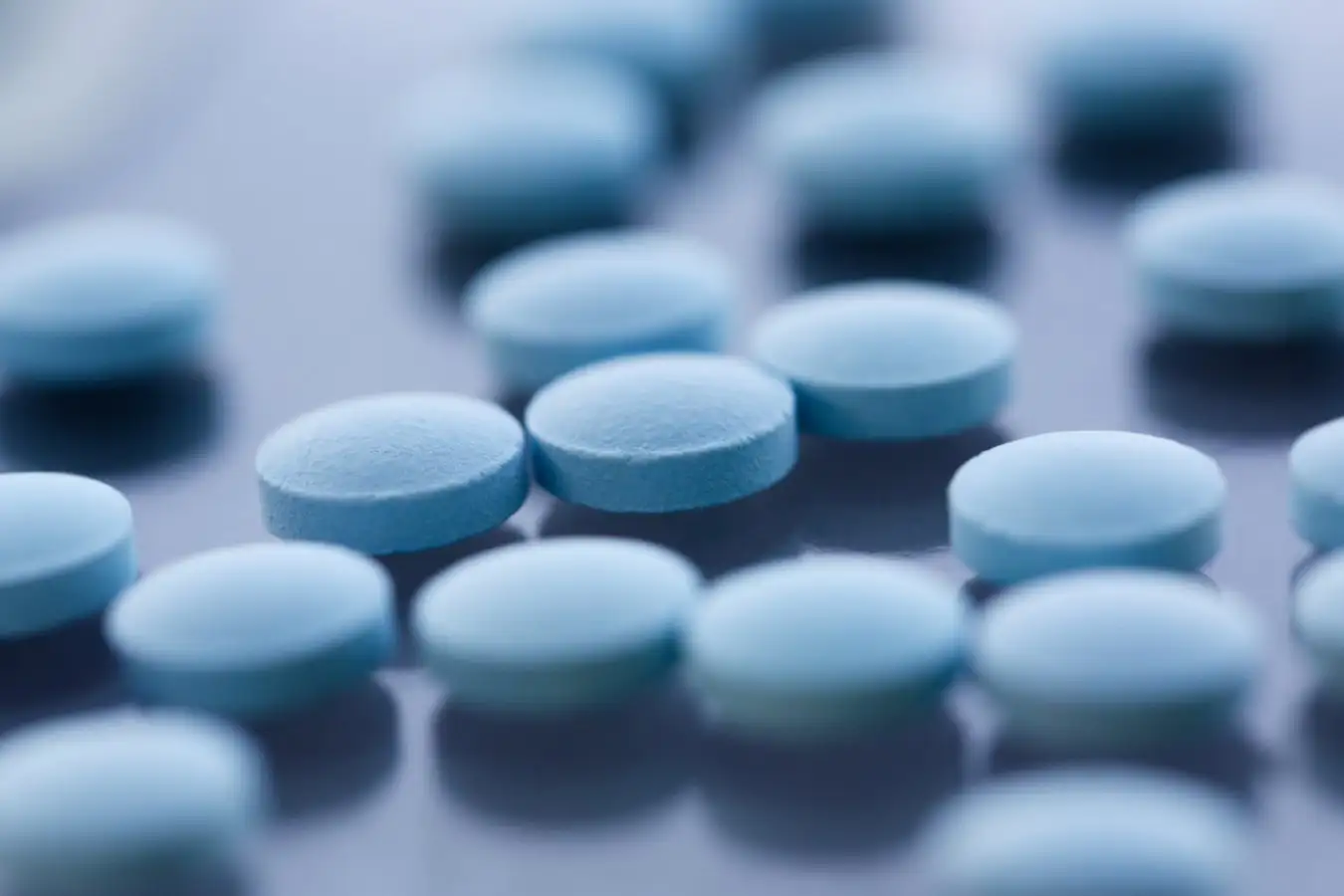
Tablets could offer a more convenient way to take weight-loss drugs
H_Ko/Shutterstock
A daily pill could soon be available as an alternative to Wegovy and Ozempic injections after a trial found it led to substantial weight loss and improved blood sugar levels in people with obesity and type 2 diabetes.
Orforglipron, developed by pharmaceutical company Eli Lilly, is designed to work in the same way as semaglutide, the active ingredient in Wegovy and Ozempic, which mimics a hormone called GLP-1.
A prior trial found that orforglipron enabled people with obesity but without type 2 diabetes to lose about 11 per cent of their body weight, on average, over 72 weeks. This is less than the 15 per cent typically achieved over a similar period with injectable semaglutide, but taking medication as a pill is more convenient, says Deborah Horn at the University of Texas.
To explore whether people with obesity and type 2 diabetes could also benefit, she and her colleagues enrolled more than 1600 people with both conditions from 10 countries including India, Australia, China, Germany, Brazil and the US.
They randomly assigned about 900 of the participants to take either a low, medium, or high dose of orforglipron daily. The remaining participants took a daily placebo pill, and they all received lifestyle advice.
After 72 weeks, those on the high dose had lost nearly 10 per cent of their body weight, on average, with 67 per cent of this group losing more than 5 per cent. The medium and low dose groups lost roughly 7 per cent and 5 per cent, on average, while those on the placebo lost less than 3 per cent.
This confirms that orforglipron causes less weight loss than injectable GLP-1 drugs, but it can still provide benefits for people’s health and quality of life, says Stefan Trapp at University College London, who wasn’t involved in the study. “Weight loss of just 5 per cent tends to show very clear benefits – for instance, people are able to exercise a bit more, to change their lifestyle, reduce their risk of other conditions,” he says.
People taking the high dose also saw a reduction in their blood sugar levels of nearly 2 per cent, on average, with about 75 per cent of them achieving levels commonly targeted by diabetes patients, says Horn. Smaller benefits were seen with lower doses, and those on the placebo saw their blood sugar levels fall by just 0.1 per cent.
About a tenth of the participants on the high and medium doses had to stop taking the drug due to side effects such as nausea, vomiting and diarrhoea, which was about twice the rate seen in the low-dose and placebo groups. But most participants found the side effects were manageable, says Horn. “Side effects were consistent with other [injectable] GLP-1 medications,” she says.
Eli Lilly is hoping the drug will be approved by the US Food and Drug Administration for treating obesity and type 2 diabetes early next year, says Horn. “It is my hope as a physician that the FDA will choose to approve all three doses so that we have flexibility in choosing the best dose for our patients that optimises health and minimises side effects,” she says.
Orforglipron should be cheaper to make, store and deliver to patients than injectable GLP-1 drugs because it doesn’t require refrigeration or syringes, says Trapp. This, combined with the fact it avoids the discomfort of injections, means it could widen access to GLP-1 weight-loss drugs, which are currently expensive and difficult to access in some lower- and middle-income countries, he says.
Topics:
Source link : https://www.newscientist.com/article/2505147-daily-pill-could-offer-alternative-to-weight-loss-injections/?utm_campaign=RSS%7CNSNS&utm_source=NSNS&utm_medium=RSS&utm_content=home
Author :
Publish date : 2025-11-20 11:45:00
Copyright for syndicated content belongs to the linked Source.