- Hospital-treated infections like cystitis were associated with higher dementia risk, regardless of other comorbidities, observational data indicated.
- The link between severe infection and dementia was consistent across sex and education subgroups.
- Infections occurred on average 5 to 6 years before dementia diagnosis.
Dementia risk rose after older adults had severe infection and the risk was not attributable to other comorbidities, a Finnish registry study suggested.
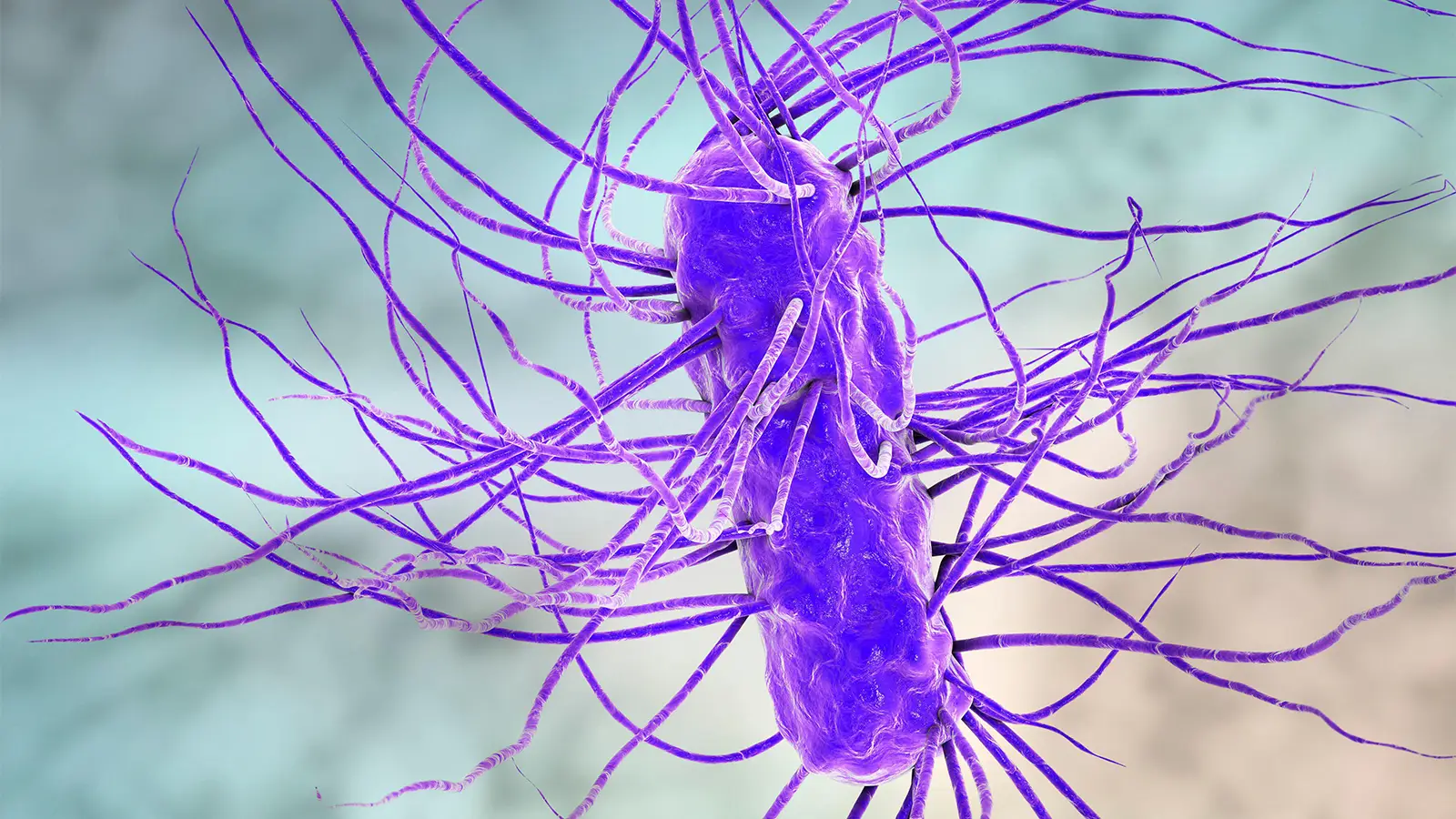
Of all hospital-treated diseases recorded 20 years before a dementia diagnosis, 29 were robustly associated with increased dementia risk, said Pyry Sipilä, MD, PhD, of the University of Helsinki, and colleagues. Two diseases were classified as infections: cystitis (urinary tract infection) and bacterial infection of an unspecified site.
Before adjusting for comorbidities, the dementia rate ratio (RR) was 1.22 (95% CI 1.17-1.27, P<0.001) for hospital-treated cystitis and 1.21 (95% CI 1.16-1.28, P<0.001) for bacterial infections of an unspecified site.
After adjusting for comorbidities, the RR for hospital-treated cystitis was 1.19 (95% CI 1.14-1.24, P<0.001), and the RR for bacterial infections of an unspecified site was 1.19 (95% CI 1.13-1.25, P<0.001), Sipilä and co-authors reported in PLOS Medicine.
Findings were comparable across sex and education subgroups, and were stronger for people with early-onset dementia.
Relationships between infections and dementia were not explained by the 27 other comorbidities, Sipilä emphasized. “Our findings support the idea that severe infections might contribute to dementia risk independently from other dementia-related diseases,” he told MedPage Today.
“The dementia-related infections occurred on average 5 to 6 years before dementia,” he added. “We know that the development of dementia often takes several years or even decades. Taken together, the findings suggest that severe infections could, in some cases, accelerate underlying cognitive decline.”
Severe infections have been tied to increased dementia risk, with some researchers suggesting that neuroinflammation may play a role. In the ongoing prospective Atherosclerosis Risk in Communities (ARIC) study, for example, dementia rates were significantly higher among people hospitalized with respiratory, urinary tract, skin, blood and circulatory system, or hospital-acquired infections. Other research showed that multiple hospital-treated infections before age 40 doubled the risk of Alzheimer’s disease.
A meta-analysis suggested that common bacterial infections were associated with subsequent dementia risk, but the overall quality of evidence was very low. Data from several studies and natural experiments indicate that vaccination against infectious diseases like herpes zoster (shingles) is associated with reduced dementia risk, Sipilä and colleagues noted.
Both dementia and infections often coexist with other illnesses that may confound the relationship, Sipilä observed. “It has been unclear whether infections really increase dementia risk, or whether the association observed between infections and dementia can be explained by other diseases that predispose to both infections and dementia,” he said.
The Finnish registry analysis included 62,555 older adults who were diagnosed with dementia between 2017 and 2020, and 312,772 matched dementia-free controls. Analyses were adjusted for sex, education, marital status, employment, and area of residence.
Participants had a mean age of 60 at the start of the exposure period and 60.1% were women. Dementia was diagnosed at age 81, on average.
The researchers identified 29 hospital-treated diseases that occurred 1 to 21 years before dementia diagnosis, had a prevalence of at least 1% before dementia diagnoses, and were significantly associated with a higher dementia risk. These included 27 mental, behavioral, digestive, endocrine, cardiometabolic, neurologic, and eye diseases, plus injuries. Nearly half (47%) of dementia cases had at least one of these 29 diseases before diagnosis.
Mental disorders due to brain damage or physical disease (RR 3.76), Parkinson’s disease (RR 3.24), and alcohol-related mental and behavioral disorders (RR 1.87) had the strongest associations with dementia. Among people with early-onset dementia, five infection types, including pneumonia and dental caries, were tied to elevated risk.
Baseline cognitive assessments and other data that led to dementia diagnoses were not available in registry data, Sipilä and co-authors acknowledged. There also was no information about specific infection treatments.
“It is important to remember that because our findings were based on observational data, we cannot prove whether there really is cause and effect between infections and dementia risk,” Sipilä said. “Future studies are needed to assess whether better prevention of infections would help reduce or delay the onset of dementia.”
Source link : https://www.medpagetoday.com/neurology/dementia/120470
Author :
Publish date : 2026-03-24 20:59:00
Copyright for syndicated content belongs to the linked Source.