Drug developers will be able to use alternatives to animal testing and possibly get new products to market faster under draft guidance issued Wednesday by the FDA.
In a press release, officials said the guidance advances the agency’s commitment to replace animal testing and aims to get safer, more effective therapies to market with clear validation expectations for alternative tests, or so-called new approach methodologies (NAMs).
Under the FDA’s regulations, drug sponsors must submit nonclinical pharmacology and toxicology data before investigational drugs can proceed to clinical trials, the FDA noted. While many studies have traditionally been conducted in animals, the FDA routinely reviews data from NAMs “when the methodology demonstrates reliability and scientific validity.”
“There is a great deal that NAMs can do in replacement and reduction on animal testing,” a senior FDA official said in a press conference with reporters. “This guidance will tell the readers that validation is not required for initial consideration. So while it provides the framework for validation, it also states that sponsors do not have to wait for their NAMs to be validated in order to use them in product development.”
Asked whether validation would be achieved by comparing the NAMs to already-established methods, a senior FDA official said that “These NAMs will have been used to study drug development in the past — and in some cases, these have already been validated and recognized by other international regulators.”
“In other cases, these are really validated through research that’s already been done,” the official added. “So there is a lot of data that is already present for evaluating these NAMs, which the sponsors can then refer back to.”
Examples of these new methodologies include:
- Testing approaches such as complex and two-dimensional in vitro studies
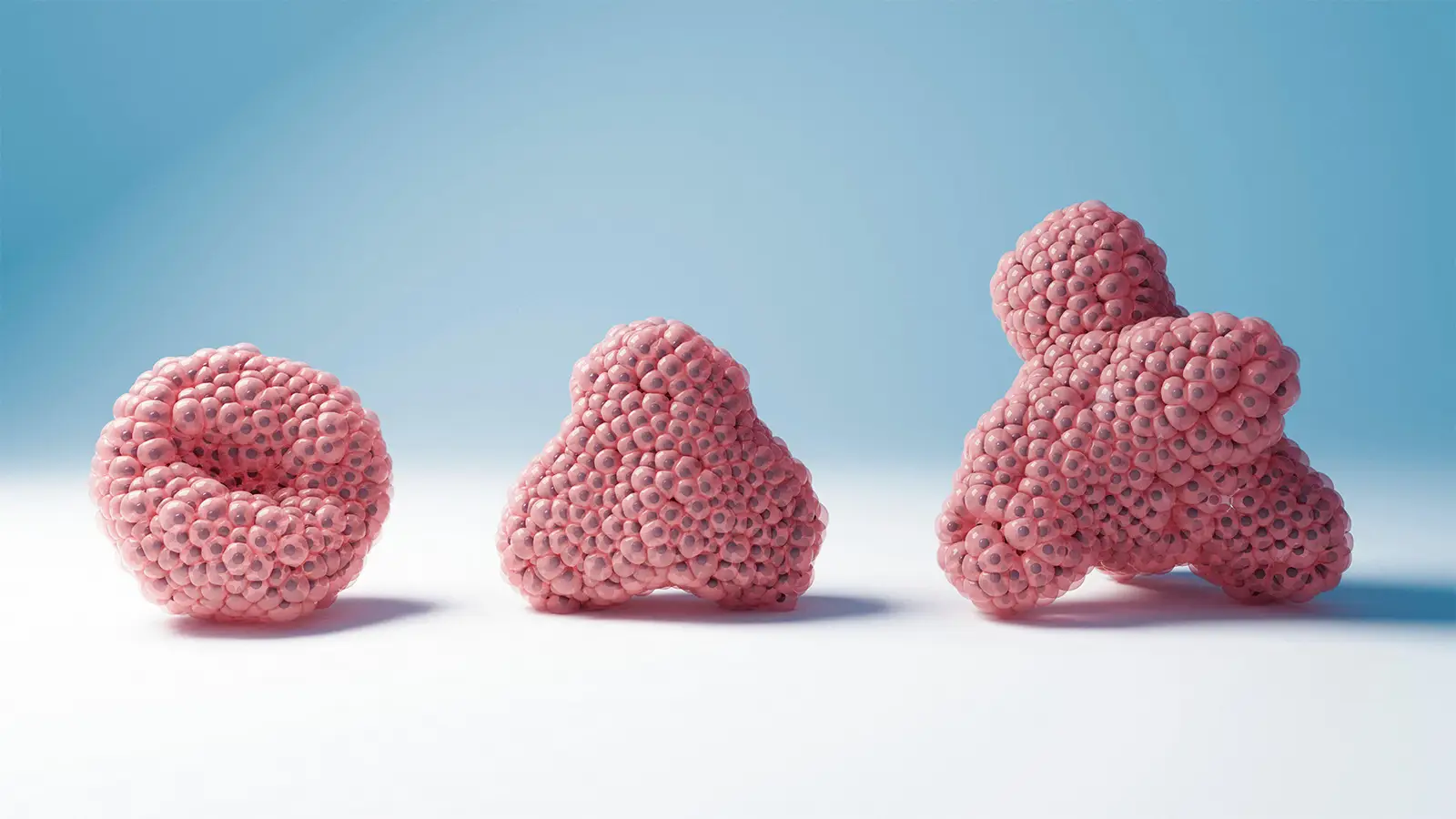
- Three-dimensional models such as organoids, spheroids, and organs on chips
- Chemical reactivity studies
- Computer simulations or in-silico modeling
- Studies using “phylogenetically lower” animals such as zebrafish or C. elegans
Also on Wednesday, the NIH announced it will spend more than $150 million to develop and scale research methods that better simulate human biology and reduce reliance on animal models. “The funding marks the first awards under the Complement Animal Research in Experimentation (Complement-ARIE) program, an initiative to develop, implement, and standardize … NAMs,” the NIH said in a press release. “Research teams across the United States will lead projects designed to produce more predictive models of human disease.”
The program will establish seven technology development centers to facilitate NAM development in the areas of greatest scientific and regulatory need, according to the NIH. Examples include NAM technologies to study gynecological disorders, cardiac disease, neurological disorders, and rare diseases.
During the call, the officials also addressed how NAMs could help drug developers save time and money. “I’ve seen estimates that implementation of NAMS in place of animal testing could reduce drug development costs by up to 90%,” a senior FDA official said. “It may speed drug development time by 30% to 50% … And so this is going to be part of getting effective and safer cures and treatments to patients faster.”
Officials were asked to address criticisms that although alternative testing methods might be promising for things like toxicology testing, they can’t fully replicate human biology — for instance, the social and cognitive behavior of a Parkinson’s disease patient.
“That is something that I hear commonly,” a senior FDA official said. “I think where the biggest potential for NAMs is within predictive modeling, AI [artificial intelligence]-based modeling in terms of using AI to predict based on what we’ve seen with similar drugs in the past, and based on what we’ve seen in similar individuals and their own individual physiology and their disease.”
A senior NIH official added, “This is obviously an argument that we hear over and over again, but it’s a bit of a circular argument because assuming that animal systems are the best way to study a problem presumes that such systems are optimal by default, and because they are the historical way that we have always studied complex living organisms. And I think that assumption really should be tested and not assumed.”
“We know that in many, many cases, animal models fail to reliably predict human outcomes in some of the very fields that are often cited as [reasons] for the continued use of animal models, like neuroscience,” the NIH official continued. “Alzheimer’s is a great example — there have been so many late-stage clinical failures and inefficiencies that ultimately burden patients and taxpayers alike.”
“So I think that we can acknowledge the historical contribution of animal studies to biomedical progress because many of today’s treatments emerged at a time when animal models were among the only tools that were available to investigate disease biology and discover new therapeutics,” the official said. “But acknowledging that legacy should never be conflated with a justification for their continued supremacy.”
Source link : https://www.medpagetoday.com/publichealthpolicy/clinicaltrials/120355
Author :
Publish date : 2026-03-18 13:33:00
Copyright for syndicated content belongs to the linked Source.