
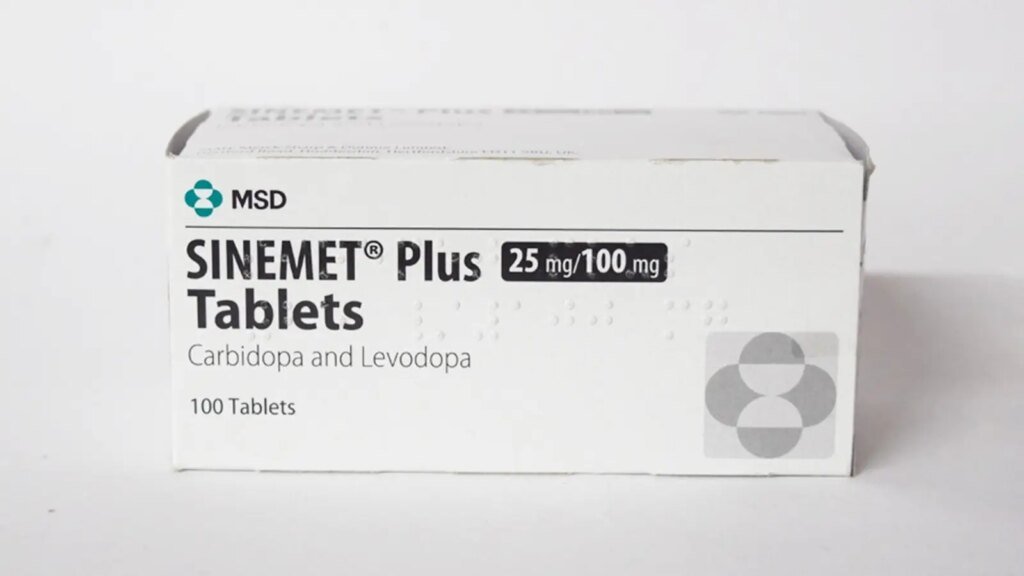
The FDA issued a safety communication today warning of a potential increased risk of seizures tied to certain medications used to treat Parkinson’s disease.
The agency will require manufacturers of carbidopa/levodopa products to update their labels with clearer warnings, to better inform patients and clinicians of this risk. The revised prescribing information will specify that these medications can cause vitamin B6 deficiency and vitamin B6 deficiency-associated seizures.
The warning also instructs healthcare professionals to assess baseline vitamin B6 levels before initiating carbidopa/levodopa therapy and to monitor these levels periodically during treatment, supplementing with vitamin B6 as needed.
In a safety review, the FDA identified 14 cases of seizures linked to vitamin B6 deficiency in patients taking carbidopa/levodopa-containing drugs.
“The 14 cases included postmarketing reports submitted to FDA (13 reports) or found in the medical literature (one report), so there are likely additional cases about which we are unaware,” the agency wrote. The postmarketing cases were captured in the FDA Adverse Event Reporting System.
All cases involved levodopa doses exceeding 1,000 mg daily, with doses above 1,500 mg associated with a shorter duration from treatment start to vitamin B6 deficiency.
Cases occurred with both oral formulations and enteral suspensions, with latency periods ranging from 23 to 132 months. Seizures typically manifested as focal onset seizures with secondary generalization, consistent with those seen in vitamin B6-dependent epilepsy. Some patients progressed to status epilepticus.
Additional clinical evidence supported vitamin B6 deficiency, including elevated homocysteine levels in four cases, microcytic or normocytic anemia in three cases, and neuropsychiatric symptoms in four cases.
“Of the nine patients treated with vitamin B6 supplementation, all nine had resolution of their seizures, despite the majority of these patients previously demonstrating a lack of response to multiple antiseizure medications,” the FDA reported.
Two patients died, both with documented low vitamin B6 levels and poorly controlled seizures.
The review found no cases of vitamin B6-associated seizures associated with carbidopa/levodopa/entacapone products or with the injectable carbidopa/levodopa product, which may reflect lower use, more recent approval dates, or different dosing and administration requirements, the FDA suggested.
“However, biological plausibility suggests there may be a similar risk across all drug products containing carbidopa/levodopa, as vitamin B6 deficiency was also observed in the clinical trials that supported the original approval of the injectable carbidopa/levodopa product,” the agency pointed out. “Based on the available data, FDA concluded there is reasonable evidence of a causal association between drug products containing carbidopa/levodopa and vitamin B6 deficiency-associated seizures.”
Levodopa is the metabolic precursor to dopamine; carbidopa inhibits decarboxylation of peripheral levodopa, making more levodopa available for delivery to the brain. Drugs containing carbidopa/levodopa can deplete vitamin B6 levels as levodopa is converted to dopamine. Carbidopa also binds to the active form of vitamin B6.
Besides seizures, symptoms of vitamin B6 deficiency may include depression; confusion; inflamed lips, tongue, or skin; and nerve damage causing numbness, tingling, sharp pain, or muscle weakness.
“Patients should take vitamin B6 supplements as recommended in consultation with a healthcare professional,” the FDA advised.
Please enable JavaScript to view the comments powered by Disqus.
Source link : https://www.medpagetoday.com/neurology/parkinsonsdisease/120421
Author :
Publish date : 2026-03-20 19:40:00
Copyright for syndicated content belongs to the linked Source.