


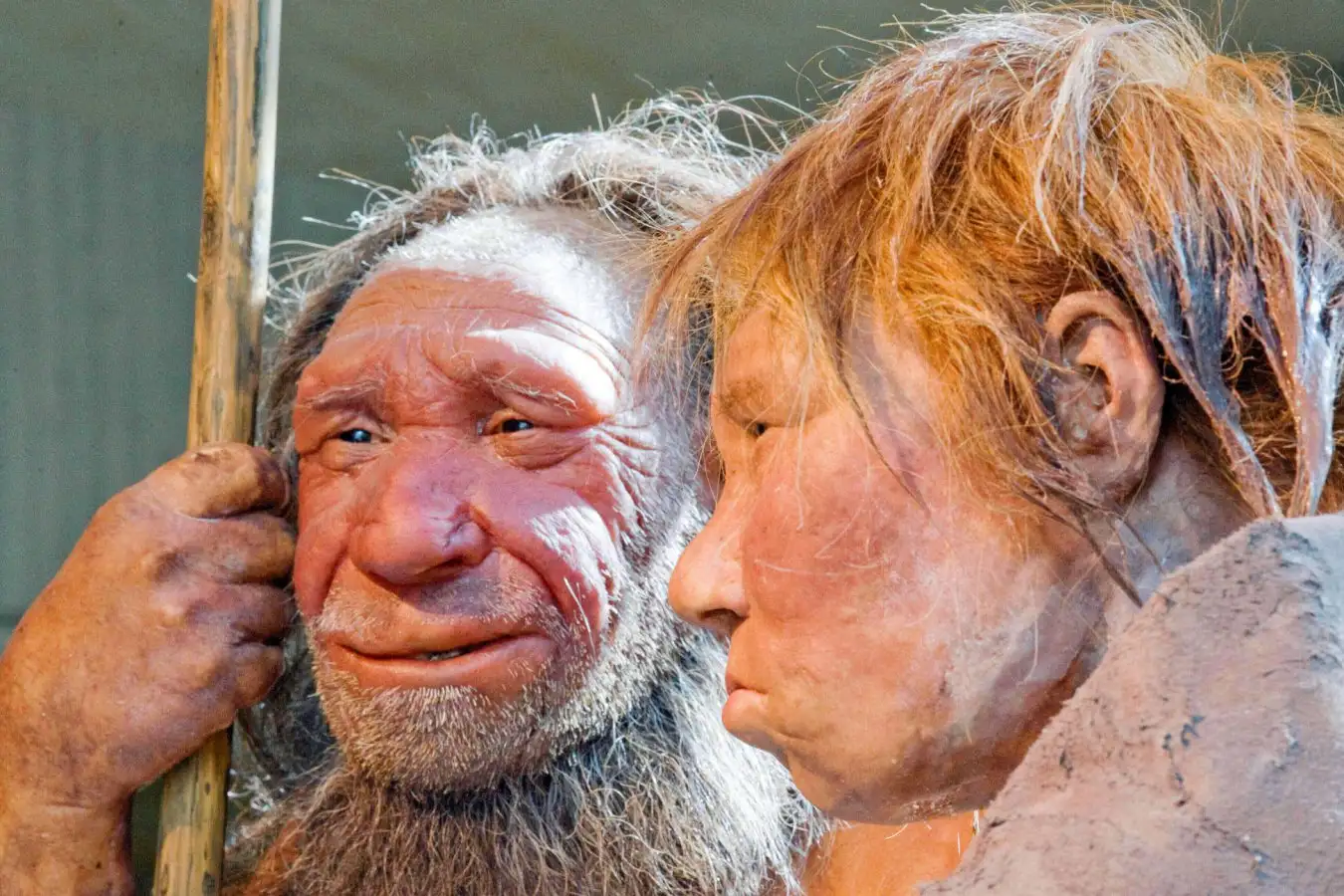
Reconstructions of a Neanderthal man and woman at the Neanderthal Museum in Mettmann, Germany
AP Photo/Martin Meissner/Alamy
An analysis of Neanderthal DNA has helped piece together the story of many millennia of hard times that finally led to the demise of our ancient human relatives.
Faced with a cooling climate, their population shrank and they wound up confined to what is now south-west France. Later, the climate warmed and the Neanderthals began roaming more widely. But most of their genetic diversity had been lost, so even widely dispersed groups had very similar DNA.
This situation – small, isolated groups with little genetic diversity – may have contributed to their eventual extinction.
The Neanderthals lived in Europe and Asia for hundreds of thousands of years, disappearing from the archaeological record about 40,000 years ago. Previous studies of their DNA had pointed to a drastic shift in their genetics towards the end. Late Neanderthals, meaning those who lived after about 60,000 years ago, were genetically similar to each other and different from those who came before. “There must have been a population turnover towards the end of the Neanderthal history,” says Cosimo Posth at the University of Tübingen in Germany.
To find out how this played out, Posth and his colleagues obtained DNA from 10 Neanderthals, from six sites in Belgium, France, Germany and Serbia. In each case they sequenced the mitochondrial DNA, which is only inherited from the mother. They compared the new mitochondrial genomes to 49 that had already been read.
Neanderthals who lived between 60,000 and 40,000 years ago almost all belonged to the same lineage, which originated about 65,000 years ago. Other lineages that were present in earlier periods were absent. “This is a very strong indication that it’s indeed population turnover,” says Posth.
The team also looked at a database of Neanderthal archaeological sites. “Between 80,000 and 70,000 years ago, there is a major geographical contraction towards south-western Europe, and particularly the very high density of sites in south-western France,” says Posth.
Climatic shifts may explain why. “There is a major glaciation starting around 75,000 years ago,” says Posth. “We think that this is the event that triggered the contraction of Neanderthals towards south-western Europe.”

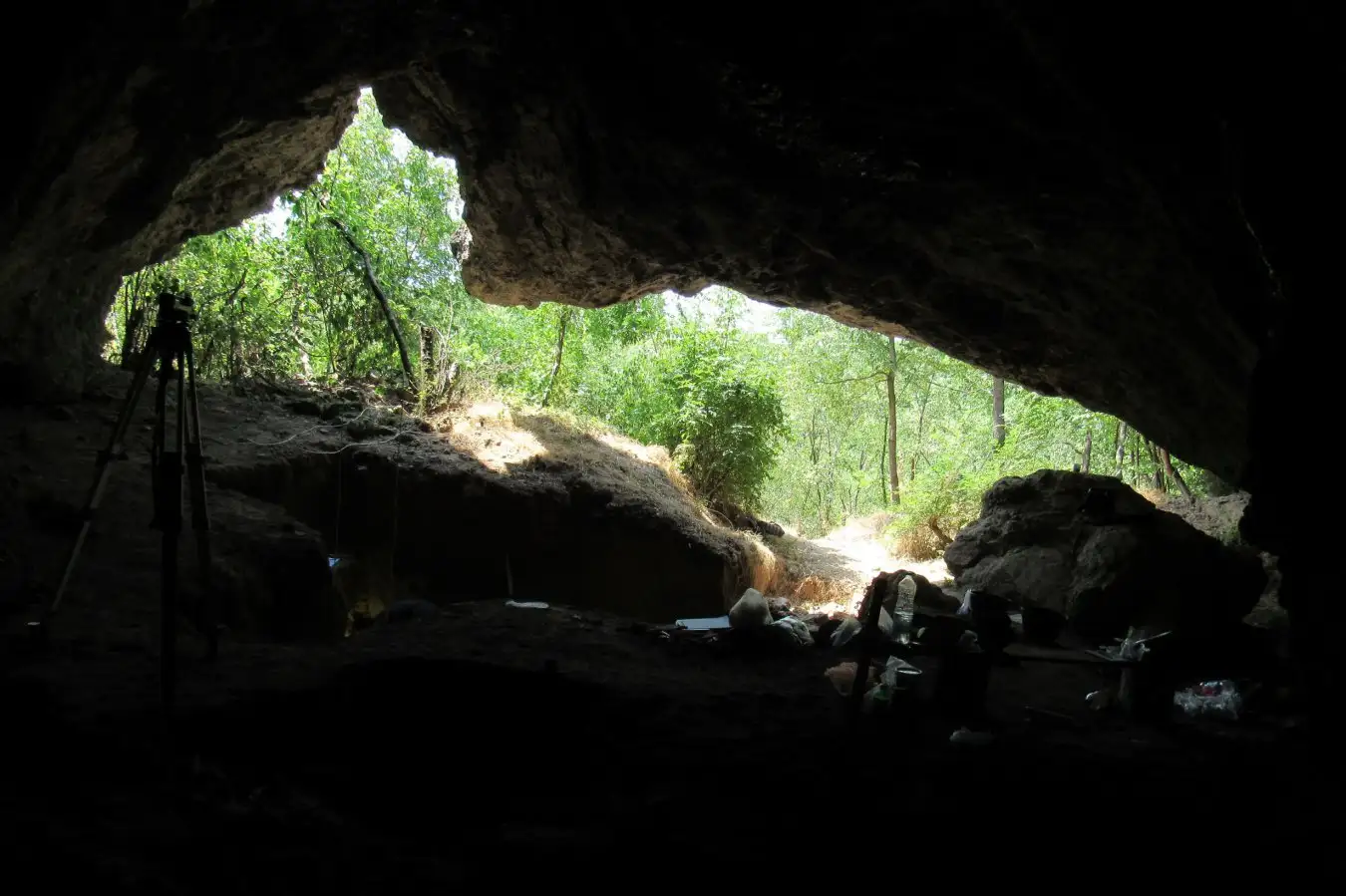
Entrance to Pešturina Cave in Serbia, where a Neanderthal tooth genetically analysed in this study was discovered
Luc Doyon and Dušan Mihailović
The new lineage seems to have arisen in south-western France, and subsequently expanded from there after 60,000 years ago, when the climate warmed again. While the new lineage became widespread, showing up as far east as the Caucasus, the population does not seem to have grown significantly.
One of the only exceptions to this trend is an individual called Thorin, found in Grotte Mandrin in France. Despite being dated to just 50,000 years ago, Thorin’s DNA indicates he belonged to one of the older lineages – at least one of which seems to have survived the population contraction. Posth says Thorin is “the only specimen that doesn’t fit into the story”.
Being able to reconstruct the Neanderthals’ movements in this way is a significant addition, says Tharsika Vimala at the University of California, Berkeley, who was involved in the Thorin studies.
Previous studies have also identified contractions and expansions in the Neanderthal population, in which some lineages were lost, says Vimala. For instance, a 2021 study found evidence of a population turnover around 100,000 years ago. “That was also explained by the climate,” she says.
The Neanderthals’ habit of living in small, isolated groups may have put them at greater risk of extinction. “They migrated around in small groups,” says Vimala, with studies estimating Neanderthal group sizes to be between three and 60. Posth says this may have allowed harmful genetic variants to accumulate, and also made each group more vulnerable to chance events.

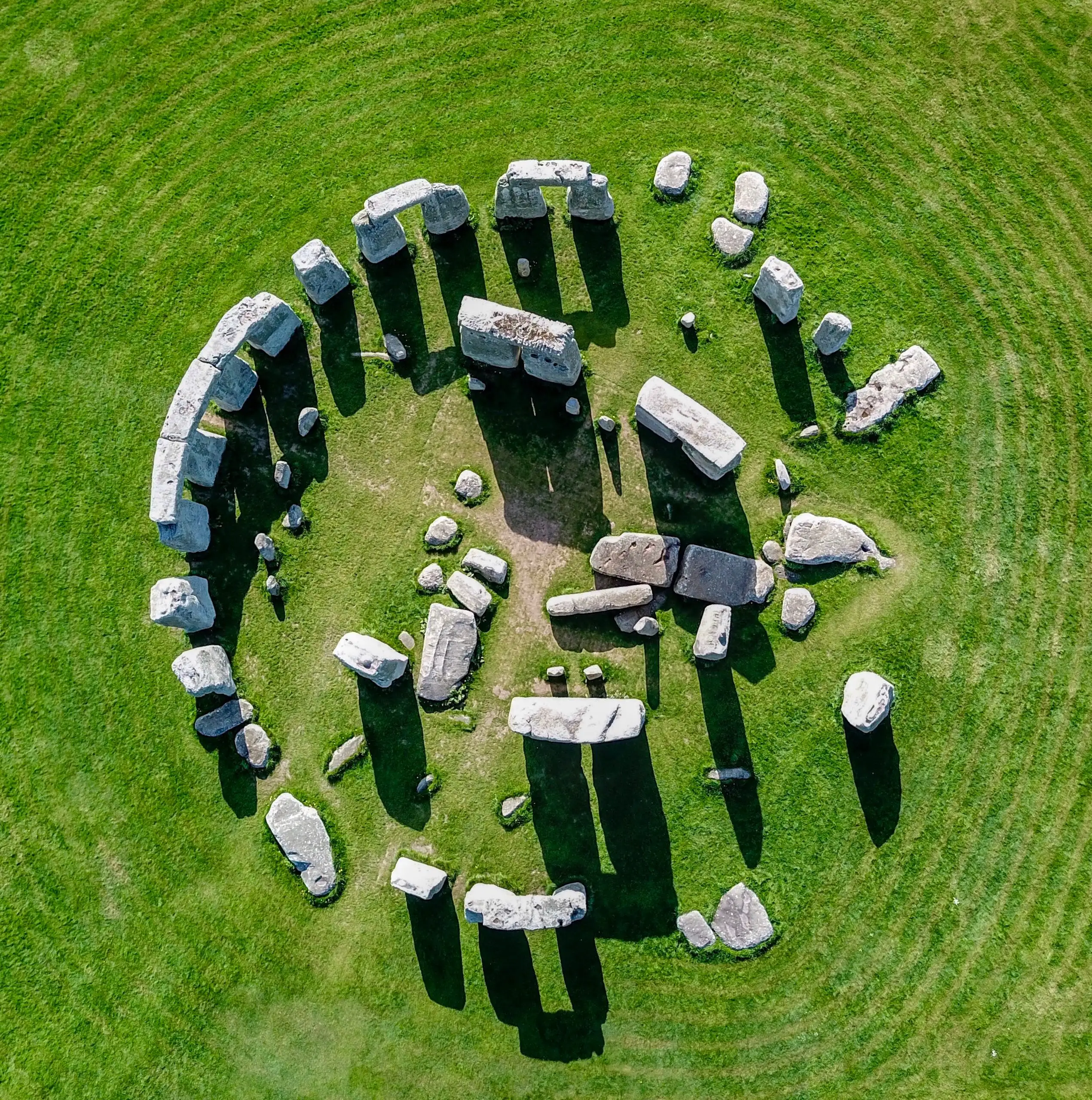
Discovery Tours: Archaeology, human origins and palaeontology
New Scientist regularly reports on the many amazing sites worldwide, that have changed the way we think about the dawn of species and civilisations. Why not visit them yourself?
Topics:
- Neanderthals/
- ancient humans
Source link : https://www.newscientist.com/article/2520319-genetic-clues-tell-the-story-of-neanderthals-decline/?utm_campaign=RSS%7CNSNS&utm_source=NSNS&utm_medium=RSS&utm_content=home
Author :
Publish date : 2026-03-23 19:00:00
Copyright for syndicated content belongs to the linked Source.