
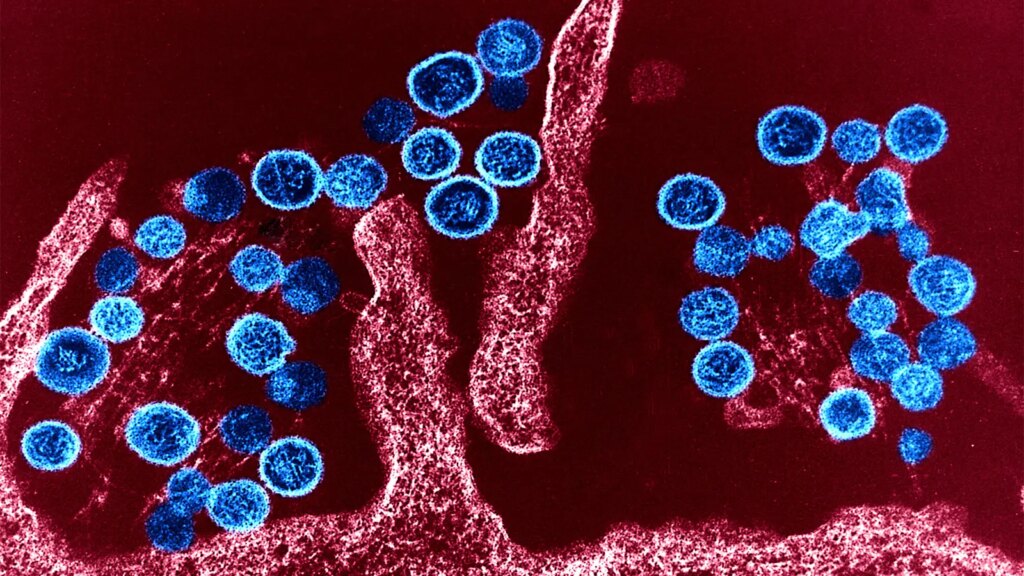
The hantavirus that triggered a cruise ship outbreak hasn’t mutated into a more transmissible strain, World Health Organization (WHO) officials said, and any new cases likely reflect effective monitoring of existing contacts rather than an expanding outbreak.
The outbreak aboard the MV Hondius cruise ship has led to 10 cases of hantavirus disease — including eight laboratory-confirmed cases and two probable cases — and three deaths. That case tally dropped from 11, after a U.S. oncologist who was a passenger was confirmed negative for infection.
More than 120 passengers are now being monitored in their home countries or host countries before returning home, WHO officials said in a media briefing Friday. The ship’s captain and crew have not been symptomatic, and the ship is slated to return to the Netherlands Monday.
WHO Director-General Tedros Adhanom Ghebreyesus, PhD, praised the efforts of 30 governments in managing the outbreak. “At a time of great division, tension, and uncertainty, we must respond jointly to common challenges that our global community faces in the spirit of cooperation,” he said. “Solidarity is the best immunity.”
Given the virus’s incubation period of up to 6 weeks, more cases could be reported in the coming days as the ship’s passengers continue to be monitored or quarantined. That doesn’t mean the outbreak is expanding, cautioned Maria Van Kerkhove, PhD, of the WHO’s department of epidemic and pandemic threat management.
“There’s a lot of laboratory testing that’s happening right now, and the incubation period is long,” she noted. Any additional cases “actually mean that the people who are in quarantine are being tested, and they’re being cared for.”
On Thursday, CDC officials said that 41 Americans are being monitored.
The Andes virus that fueled the outbreak is the only hantavirus strain that can be transmitted person to person. Case reports of hantavirus being detected years after infection don’t necessarily mean a person remains infectious, cautioned Abdi Mahamud, the WHO’s director for health emergency alert and response operations.
“Once someone recovers, we see RNA in the samples collected, and that can last depending on the study durations,” Mahamud said. “There’s a study going on, and we want to understand — but there’s a difference between RNA detection and the infectiousness of that.”
Centers in Senegal, South Africa, and Switzerland quickly sequenced the Andes virus genome and shared the results with other researchers, including at the CDC. So far, those teams haven’t found any evidence to suggest changes in the virus that would make it more transmissible or severe, Van Kerkhove noted.
“We don’t have all of the answers, but the outbreak is contained so far,” she added. “We and our member states and partners are doing everything we can to ensure that that stays in place, so the risk to the general public remains low.”
Please enable JavaScript to view the comments powered by Disqus.
Source link : https://www.medpagetoday.com/infectiousdisease/generalinfectiousdisease/121295
Author :
Publish date : 2026-05-15 19:11:00
Copyright for syndicated content belongs to the linked Source.