[ad_1]
An estimated 20% to 40% of patients with HER2-positive metastatic breast cancer will ultimately develop brain metastases, resulting in poorer odds of survival along with headache, seizure, neurological and cognitive impairment, and other quality-of-life challenges.
A recent real-world analysis of metastatic breast cancer in the U.S. found that patients with hormone receptor (HR)-negative/HER2-positive disease had the highest incidence of brain metastasis at the time of first-line therapy initiation (13.1%) — more than double the average across molecular subtypes — and in the subsequent 5 years from a metastatic diagnosis (34%).
Prevalence of brain metastases in this group doubled between 12 and 24 months (13% to 25%) and nearly tripled between first- and second-line therapy (11.2% to 31.2%), according to the research.
Citing the analysis for a recent editorial, Sarah Sammons, MD, of Dana-Farber Cancer Institute in Boston, and colleagues said the findings demonstrate the frequent and early occurrence of brain metastases in HR-negative/HER2-positive metastatic disease.
“Moreover, these findings emphasize the importance of ongoing screening clinical trials (particularly at critical time points such as transitions between treatment lines) and have significant clinical implications for the design of screening and prevention trials,” they wrote last year in The Breast.
When to Evaluate for Brain Metastases
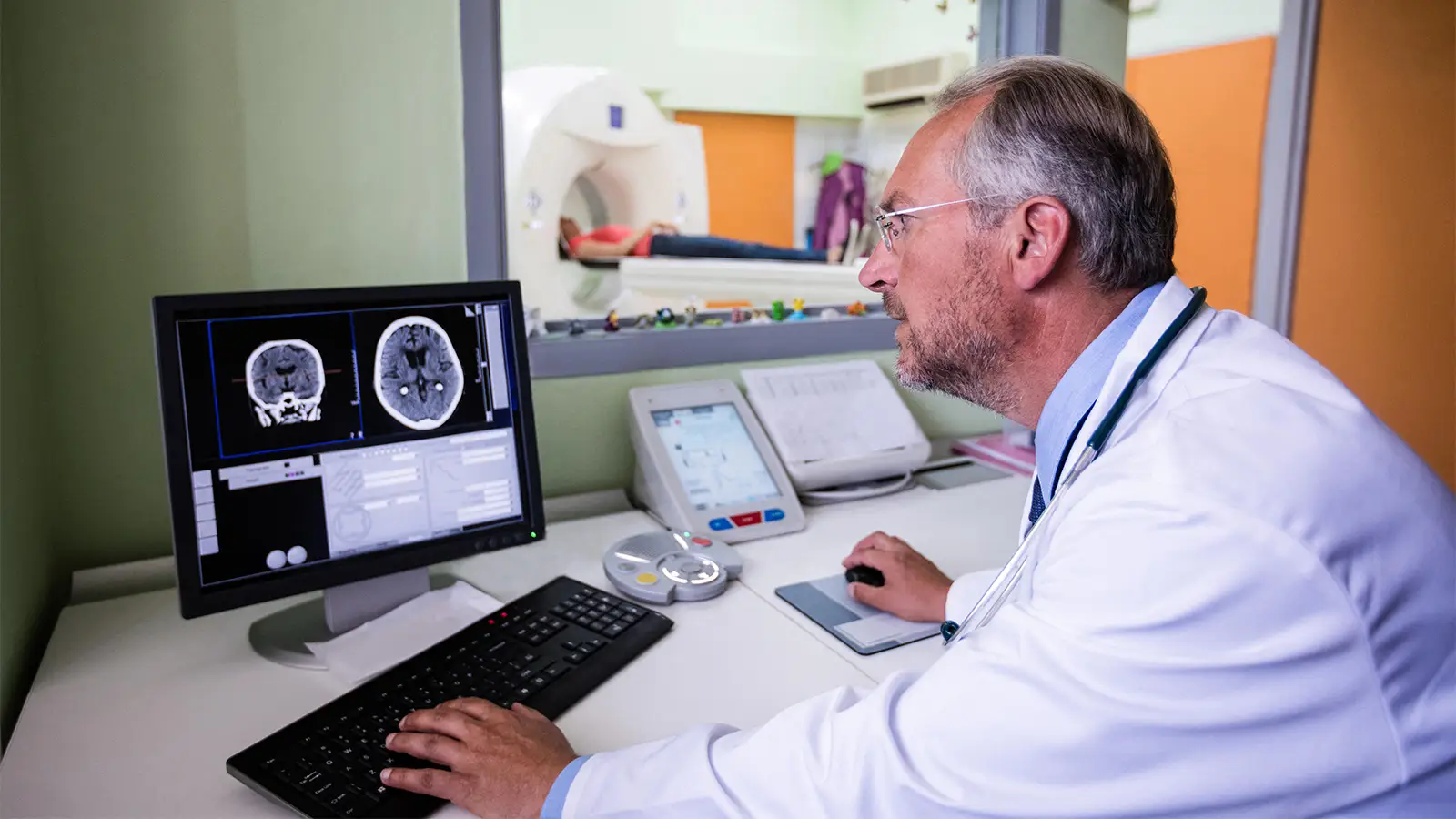
The role of brain imaging to screen for metastases is “highly controversial, as evidenced by conflicting recommendations across oncology guidelines,” wrote Sammons and colleagues.
American Society of Clinical Oncology (ASCO) guidelines suggest that if a patient with HER2-positive metastatic breast cancer doesn’t have a known history or symptoms of brain metastases, the data are “insufficient” to recommend for or against surveillance imaging with brain MRI.
However, the ASCO guidelines suggest it can be considered, based on shared decision-making, if a patient develops symptoms suggestive of brain involvement, such as new-onset headaches, nausea or vomiting, or changes in motor or sensory function.
There are potential harms associated with brain imaging screening in metastatic breast cancer, including exposure to radiation, false positives leading to further workup, anxiety, and increased costs, said Sara Hurvitz, MD, of the University of Washington and Fred Hutch Cancer Center in Seattle.
Additionally, “we don’t have evidence that picking up a brain metastasis earlier by doing imaging of asymptomatic patients will improve survival, and it certainly will increase the amount of treatment the patient receives in their lifetime, ” Hurvitz told MedPage Today. “Some would argue that because we haven’t proven it improves survival to treat patients earlier, you would potentially expose patients to more invasive procedures.”
For example, she said, in a patient starting on trastuzumab deruxtecan (T-DXd; Enhertu) — an antibody-drug conjugate that has demonstrated intracranial activity — the presence of a couple of tiny, asymptomatic brain metastases is not going to change the systemic treatment option.
“But it may prompt us to send them for stereotactic radiosurgery or invasive neurosurgery — and that may do more harm than good if the systemic therapy is helping them,” said Hurvitz. “What we need are clinical trials designed to address these questions in terms of timing and sequencing with our local therapies like surgery and radiation.”
Effective Therapies for Brain Metastases
Systemic therapies such as T-DXd and tucatinib (Tukysa) can treat disease both in the central nervous system (CNS) and outside it with improved outcomes, said Jennifer Litton, MD, of the University of Texas MD Anderson Cancer Center in Houston.
“It was very important that several of the pivotal trials, such as HER2CLIMB, allowed patients with active brain metastases to participate instead of excluding the patients as many older trials had done,” she said.
In an exploratory analysis of intracranial efficacy and survival in the placebo-controlled trial, investigators found that adding tucatinib to trastuzumab and capecitabine reduced the risk of intracranial progression or death by 68%.
Median CNS progression-free survival more than doubled in the tucatinib versus control arm (9.9 vs 4.2 months), and the risk of death was reduced by 42% with the targeted therapy, with a median overall survival of 18.1 months versus 12 months, respectively.
In DESTINY-Breast12, T-DXd also demonstrated intracranial clinical activity in patients with HER2-positive breast cancer with brain metastases.
Thus, the results of these studies suggest early detection of brain metastases has the potential to guide CNS-active therapies.
European Society for Medical Oncology guidelines now recommend that while brain imaging should not be recommended for asymptomatic patients when metastatic breast cancer is diagnosed or during disease monitoring, “subtype-oriented brain imaging may be considered in asymptomatic patients if detection of central nervous system metastases will alter the choice of systemic therapy, particularly in HER2-positive disease” and triple-negative breast cancer.
“I think a lot of us will really query our patients in depth when they have been diagnosed with metastatic disease, and re-query them when we’re following up with them,” said Hurvitz. “‘Any headaches, any new vision changes, any dizziness?’ These types of questions elicit any potential signs or symptoms of brain metastases, and we will do brain imaging at the earliest sign that something is amiss.”
[ad_2]
Source link : https://www.medpagetoday.com/spotlight/asco-metastatic-breast-cancer/121866
Author :
Publish date : 2026-06-22 17:03:00
Copyright for syndicated content belongs to the linked Source.