
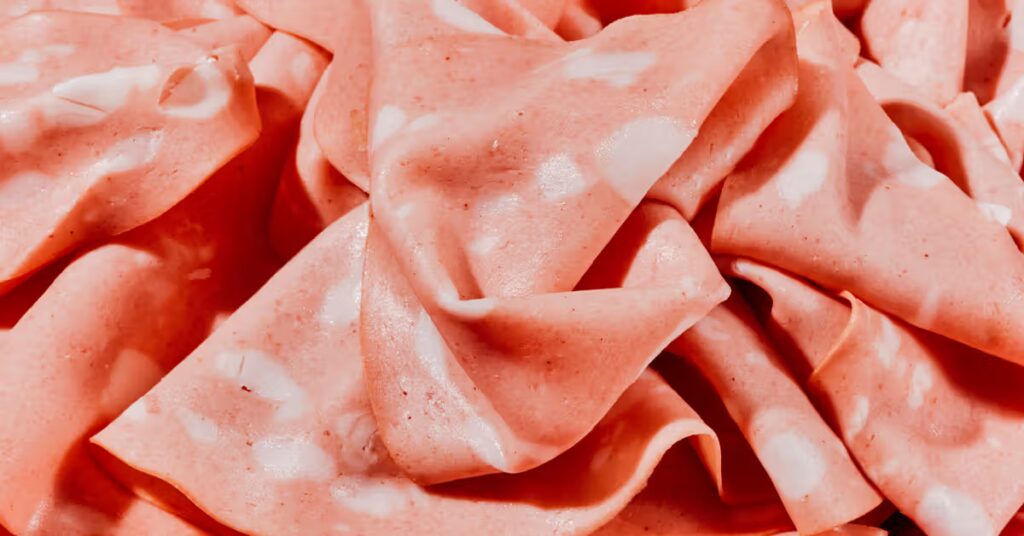


- Research shows that ultra-processed foods can affect type 2 diabetes risk.
- A recent study found that eating the equivalent of 2 slices of ham a day can increase the risk of type 2 diabetes by 15%.
- Another study has shown that replacing ultra-processed foods with healthier options can lower the risk of developing type 2 diabetes.
There is no singular universally agreed-upon definition of ultra-processed foods.
However, the most commonly used definition is the NOVA classification. This classification discusses foods that contain formulations of ingredients, which are mostly of exclusive industrial use, and are typically created by a series of industrial processes and techniques.
Another definition for ultra-processed foods is those containing ingredients not typically found in your kitchen cupboard, such as emulsifiers, additives, or stabilizers.
Ultra-processed foods account for over 50% of the total dietary energy intake in developed countries, such as the United States.
However, research has also indicated that replacing ultra-processed foods with healthier options may lower your risk of developing diabetes and other chronic health conditions.
The research team for this study analyzed 31 studies from 20 different countries. Altogether, this research included around 1.97 million people, 107,271 of whom were diagnosed with type 2 diabetes during the 10-year follow-up period.
When the researchers examined the diets of the participants, they found that those who typically consumed around 50 grams of processed meat per day (equivalent to 2 slices of ham) had a 15% higher risk of developing type 2 diabetes within the next 10 years.
Eating 100 grams of unprocessed red meat each day (the equivalent of a small steak) was associated with a 10% higher risk of type 2 diabetes.
“This is an important study that has confirmed, with a much more comprehensive analysis of a large cohort of older studies, that there is an association between higher intake of red meat or processed meat and increased risk of type 2 diabetes,” Silvana Obici, MD, Chief of the Division of Endocrinology at Stony Brook Medicine and Interim Medical Director of the Stony Brook University Hospital Diabetes Center, who was not involved in the research, told Healthline.
Still, Obici noted it’s essential to keep in mind that statistical association does not necessarily imply causation.
Jennifer Pallian, a registered dietitian and owner of Foodess, said that processed meats often contain high levels of:
“In particular, researchers believe that nitrosamines — chemicals that form from nitrites and nitrates used in processed meats — might damage DNA and harm the cells in the pancreas that produce insulin, leading to lower insulin levels,” Pallian, who wasn’t involved in the study, told Healthline.
“Additionally, red meats are rich in heme iron, which may contribute to oxidative stress and inflammation, both of which are implicated in the development of diabetes,” she added.
A 2024 study found that replacing ultra-processed foods with healthier options can help reduce the risk of type 2 diabetes.
The researchers noted that for every 10% increase in ultra-processed foods in a person’s diet, there was a 17% increased risk of type 2 diabetes. However, this risk can be lowered by consuming minimally processed foods.
The groups of ultra-processed foods that showed the highest risk were:
- savory snacks
- animal-based products, such as processed meats
- ready meals
- sugar-sweetened and artificially sweetened beverages
“The findings align with previous research linking ultra-processed foods with an increased risk of chronic diseases, including type 2 diabetes,” she said. “This is not surprising, as UPFs are often high in refined sugars, unhealthy fats, and low in essential nutrients as well as fiber.”
However, only certain groups of ultra-processed foods were found to increase the risk of type 2 diabetes in this study, suggesting that further investigation is warranted.
“Some groups in this study lowered the risk of type 2 diabetes, including bread, biscuits, breakfast cereals, dessert, and plant-based alternatives,” noted Priya Tew, a specialist dietitian at Dietitian U.K., who wasn’t involved in the study.
Tew told Healthline that the foods in the highest-risk ultra-processed foods group “tend to be high in salt, saturated fat, and sugar” and may “displace other more nutritious food items.”
When considering replacing ultra-processed foods, small swaps are generally the most effective approach.
“Replace sugary snacks with whole fruit or nuts, or instead of a sweetened yogurt, opt for plain yogurt and add your own fruit or honey for sweetness,” Ludlam-Raine said. “These small changes add up.”
Source link : https://www.healthline.com/health-news/ultra-processed-foods-type-2-diabetes-risk
Author :
Publish date : 2026-01-12 13:03:39
Copyright for syndicated content belongs to the linked Source.