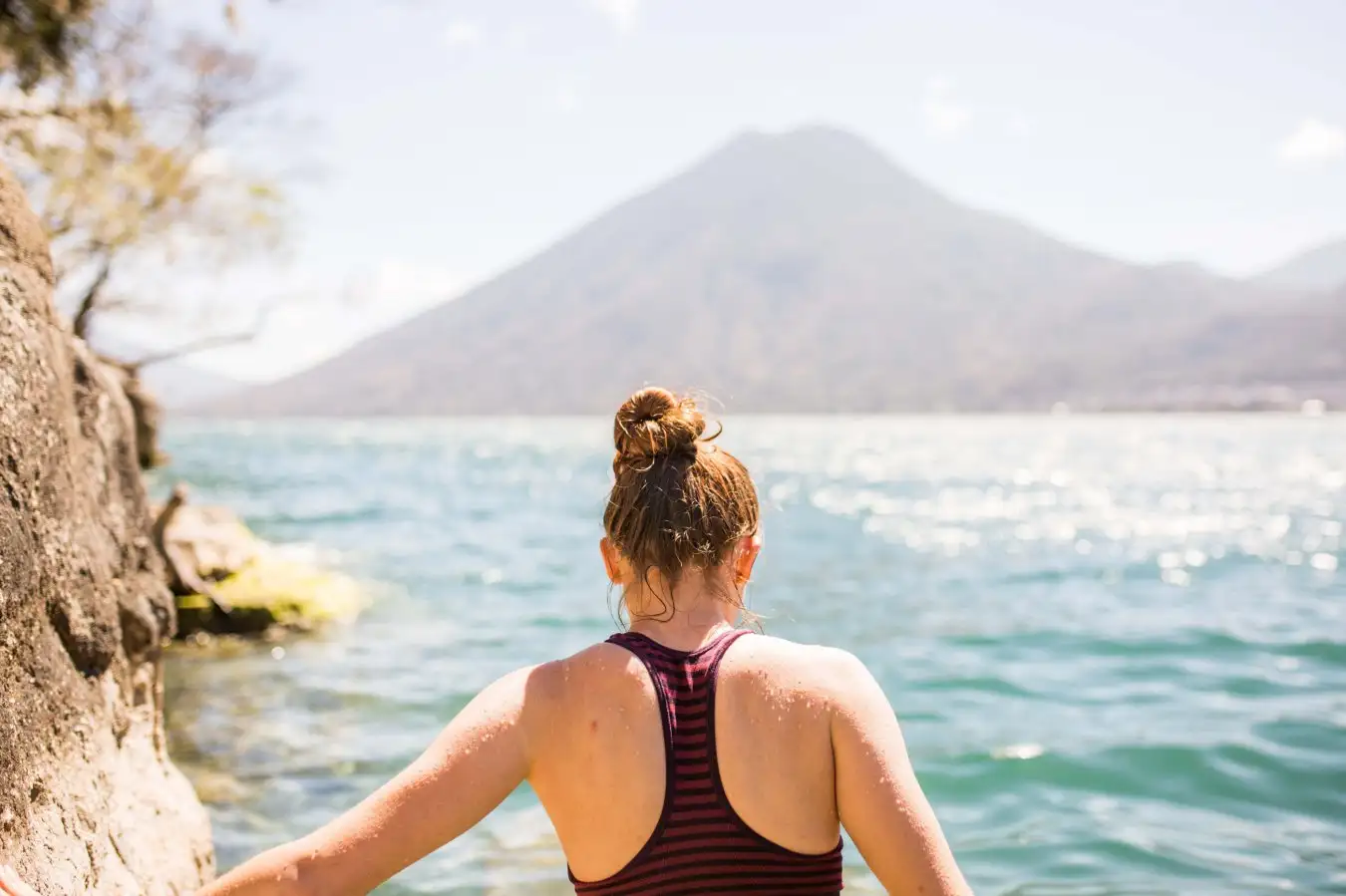
“I have never needed much of an excuse to throw myself into a cold lake…”
Kajsa Swanson/Alamy
I have come to realise that my day is littered with small rituals. Each morning, I stir a spoonful of creatine into my water, drink it to wash down a multivitamin, then eat some plain but bacteria-laden yogurt. Across the table, my kids eat homemade cereal, drink kefir and attempt to speak Spanish using Duolingo. After the school run, I plunge into a cold pond, then thaw in a sauna before work. Later, I always add a spoonful of sauerkraut to my lunch and never miss an opportunity for a quick walk around the park.
It’s all a bit sickening, on reflection. Very “wellness influencer meets midlife neuroscientist”. But this domestic bliss is a far cry from a year ago, when the kids were chugging Coco Pops and I was fuelled on caffeine, glued to my computer, barely glimpsing daylight.
My smug new life is a direct result of spending all year exploring evidence-based ways to keep the brain in good repair – from boosting cognitive reserve to cultivating a healthy microbiome. Now, as I take stock, I can see that small changes have made a profound difference.
One of the simplest lessons came from JoAnn Manson at Brigham and Women’s Hospital in Massachusetts, who sent me details of a huge trial of older adults showing that a daily multivitamin slowed cognitive decline by more than 50 per cent. When I asked other experts what supplements, if any, might also boost brain health, creatine stuck with me – it provides the brain with an energy source when it needs it most.
But the biggest change wasn’t on our supplement shelf, but in our weekly shopping basket. Chatting to neuroscientists and nutritionists convinced me of the importance of continually caring for our microbiome. So my family started doing just that: eating three types of fermented foods a day on epidemiologist Tim Spector’s advice, removing ultra-processed foods from breakfast and making sure we get a diverse mix of whole foods into our diets.
I have never needed much of an excuse to throw myself into a cold lake or sit in a sauna, but science has given me plenty of reasons to prioritise those activities this year. Cold and hot exposure can reduce inflammation and stress, and boost connectivity between networks in your brain that are responsible for controlling emotions, decision-making and attention, potentially explaining why they are linked to better mental health.
Getting outside has also become a family priority. Gardening, I have learned, can boost the diversity of our beneficial gut bacteria, while walking through woods may benefit memory and cognition and protect against depression.
Back home, we are persevering with Duolingo, not just for the linguistic benefits, but also for our cognitive reserve – the brain’s defence against conditions of ageing. I am building mine in other ways too, playing the piano for the first time in years. As I stumble through my scales, I remember what Ellen Bialystok at York University in Canada told me: “What’s hard for the brain is good for the brain.”
The most astonishing thing is just how quickly results showed. While some habits are longer-term investments into cognitive health, others, I am convinced, have had immediate impacts: calmer children, less brain fog, more energy. Perhaps it’s a placebo, but something is working.
Next year, I will keep experimenting. Here’s to another year of finding simple ways of keeping your brain thriving. Now, where did I put that kombucha?
Topics:
Source link : https://www.newscientist.com/article/mg26835731-800-how-i-learned-to-keep-my-brain-in-better-repair-this-year/?utm_campaign=RSS%7CNSNS&utm_source=NSNS&utm_medium=RSS&utm_content=home
Author :
Publish date : 2025-12-10 18:00:00
Copyright for syndicated content belongs to the linked Source.