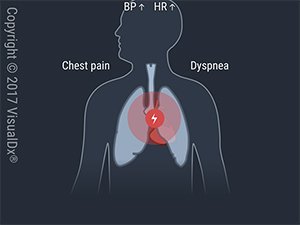
Tapping into the connection between the heart and the brain can help us understand our health
Adisorn Chiamchitr/Alamy
With a Whoop health tracker strapped to my wrist for the past year, I’ve had an unusually detailed window into my biology – sleep, blood oxygen, steps and, most intriguingly, heart rate variability, or HRV. The latter was a new metric for me and has quickly become my go-to measure of how stressed I am. Low numbers and I’m not dealing well with life; high values and I’m feeling cool.
It turns out I’m not alone in thinking this metric is valuable. A growing body of research has recently been investigating HRV’s link with mental health – exploring whether it might predict one’s likelihood of experiencing symptoms of cognitive illness or even help diagnose a mental health condition itself.
But first, what actually is it? HRV is a measure of the tiny variations in time between each heartbeat. It’s always sounded counterintuitive to me, but more variation is a good thing.
When your heartbeats are regular it’s a sign that you’re locked in “fight-or-flight” mode, which is when the sympathetic branch of your autonomic nervous system is active. This state of being on alert tends to make your heart beat faster and more regularly. When your parasympathetic branch, or “rest-and-digest” function, has kicked in to calm everything down, your heart rhythm becomes less regimented.
A person who is very resilient to stress would have a higher HRV because they’re more easily able to recover from stressors – something we know is a good thing because chronic stress is associated with inflammation and all manner of physical and cognitive conditions.
My HRV has always been on the low side, normally fluctuating around 25 milliseconds, while my husband’s can reach upwards of 90 milliseconds. While I can only dream of such a seemingly calm state of mind, I shouldn’t be too dispirited: I’m told that differences between people aren’t unusual.
There’s a wide variation in what’s considered a “normal” HRV, says Julie Vašků at Masaryk University in the Czech Republic, from around 18 to 70 milliseconds. What’s more informative are your individual fluctuations over days, weeks or months. For instance, when I have a lot of difficult work on my plate, my HRV drops considerably, and on holiday, when my biggest concern is whether to swim before or after lunch, it rockets to 50 milliseconds or higher.
So I use it, as many do, as a useful proxy for day-to-day stress and recovery. But recently I have begun to wonder whether it might reflect something deeper.
The heart-mind connection
There is a long-established connection between the heart and the brain, and many studies now underscore this relationship. For instance, people with cardiovascular disease are more likely to experience mental health conditions, while people with depression are at increased risk of heart disease. HRV may be a signal linking the two.
“HRV as a measure of brain health is something we’re very interested in,” says Lori Cook, director of clinical research at the Center for Brain Health at the University of Texas at Dallas.
The reason is partly because HRV has been linked to several cognitive and mental health conditions. For instance, in February, researchers from Germany reviewed studies looking into the connection between HRV and depression, including those that compared people with and without the illness, as well as longitudinal studies that tracked changes in HRV and depression in individuals over time. These are robust methods and in both types of studies the same pattern emerged: lower HRV was linked with a higher likelihood of depression.
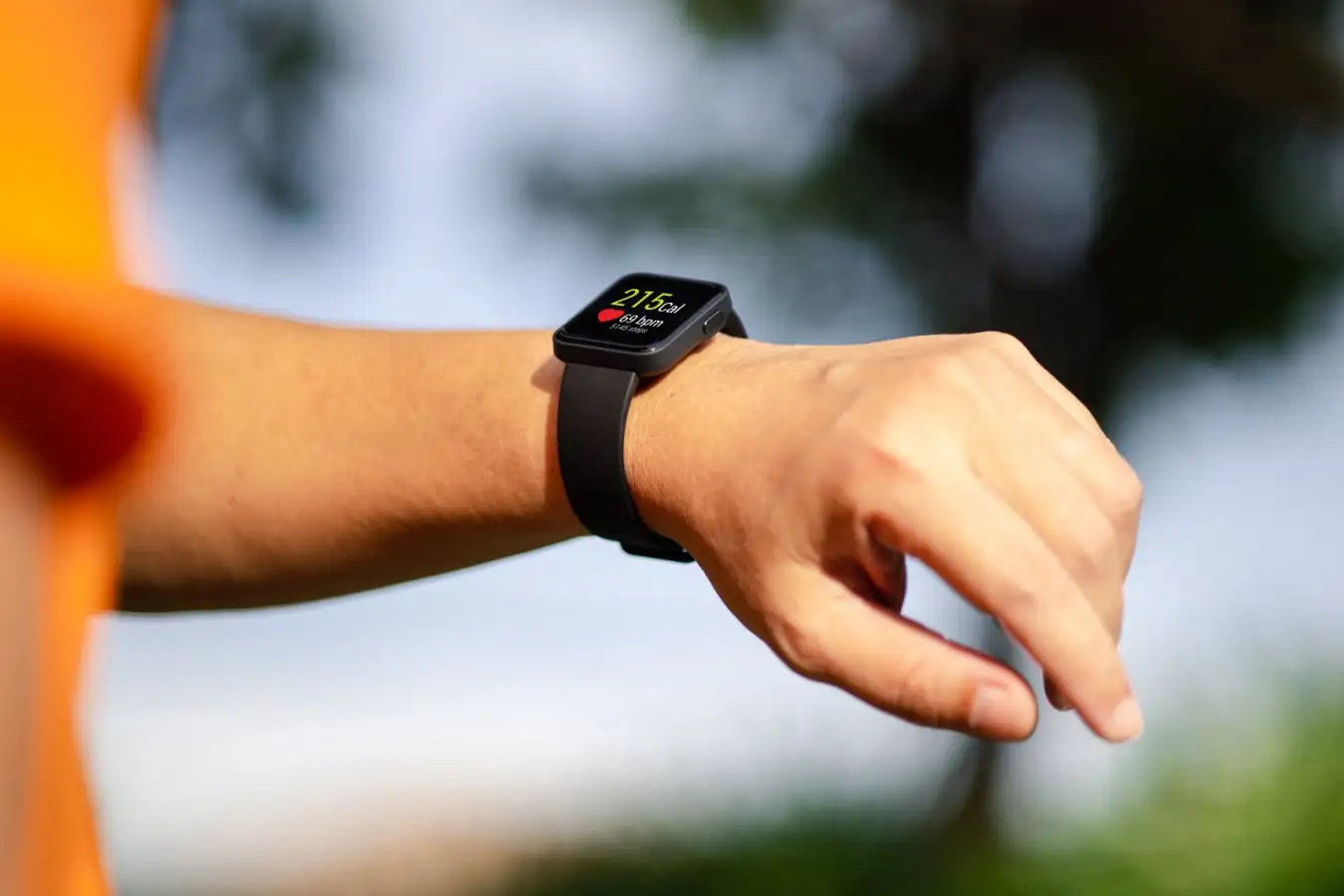
Smartwatches can help track heart rate variability
panithan pholpanichrassamee/Getty Images
Past studies echo this. An analysis of data from the Whitehall II study tracked more than 2200 participants for around a decade and showed that higher HRV was associated with a reduced likelihood of developing depressive symptoms, at least in men (there was only a small number of women in the study so it was difficult to draw solid conclusions from them). Other studies, including one that followed 146 male twins for seven years, have shown a similar relationship.
Of course, the main idea behind all this is that the higher your HRV, the healthier your stress response. It reflects the fact that you’re able to adapt quickly and efficiently to environmental demands. A low HRV may reflect a problem adapting to stressors – and a reduced ability to regulate emotions is a known contributor to depression.
However, the evidence is inconsistent and much of it is messy. Many studies are small, or complicated by not considering multiple confounding factors such as how HRV generally decreases with age, or the influence of sex, gender or medication. There are other caveats: a study last year showed that stress scores that use HRV aren’t easily able to distinguish excitement and positive stress – the kind that can be motivational and thought to increase resilience – from negative.
Nevertheless, interesting correlations continue to appear in different fields of brain health. A 2025 review found links between decreased HRV and dementia, PTSD and schizophrenia. Lower HRV was also linked to somatic symptom disorders, in which there is disproportionate and ongoing worry over physical symptoms, and functional somatic syndromes involving brain changes that cause pain, weakness or epilepsy. What was particularly intriguing about this review was that no two disorders showed identically altered HRV patterns, which the authors suggest makes HRV a potential biomarker for distinguishing between disorders.
For now, these authors conclude that HRV alone is not enough to diagnose a mental condition, nor does a low HRV automatically mean you will encounter poor mental health.
Cook’s team continues to use HRV alongside other metrics to understand brain health. For her, HRV is one of many potential metrics that might help us learn which practices and lifestyle changes are actually working, or give us a way to see how quickly we can effect change.
For me, a plummeting HRV continues to give me a nudge to calm my nervous system and take a break. And it’s not just controlling my stress levels that helps to get it back on track. A good night’s sleep can help to improve HRV, as can regular exercise – aerobic exercise in particular has the most solid evidence supporting its benefit for HRV.
I can’t say for certain, but I feel like my mental health is benefitting. So for now, that’s enough to keep me listening to those tiny, fluctuating beats.
Topics:
Source link : https://www.newscientist.com/article/2524174-how-your-heart-rate-variability-can-offer-an-insight-into-your-mind/?utm_campaign=RSS%7CNSNS&utm_source=NSNS&utm_medium=RSS&utm_content=home
Author :
Publish date : 2026-04-27 09:00:00
Copyright for syndicated content belongs to the linked Source.