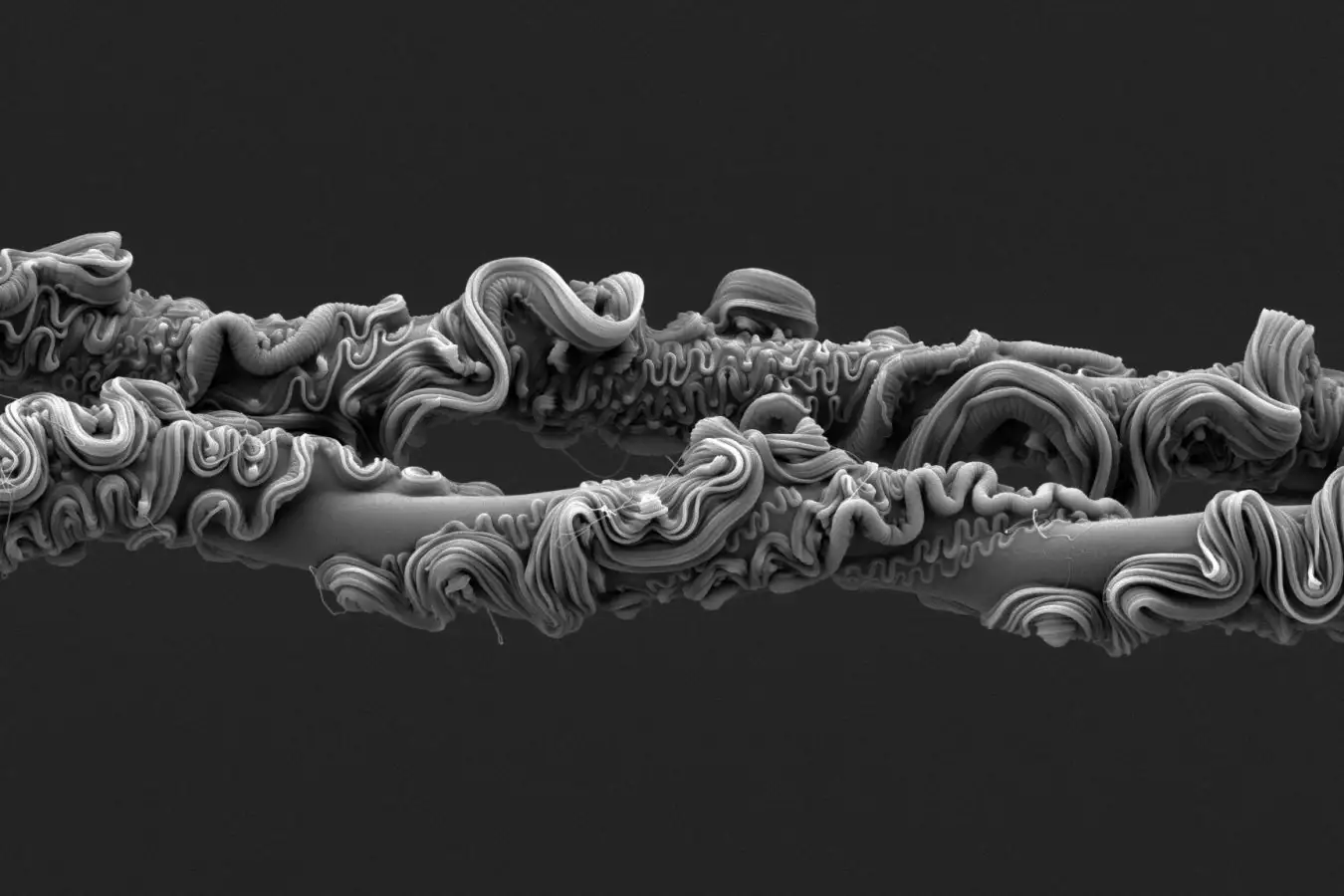
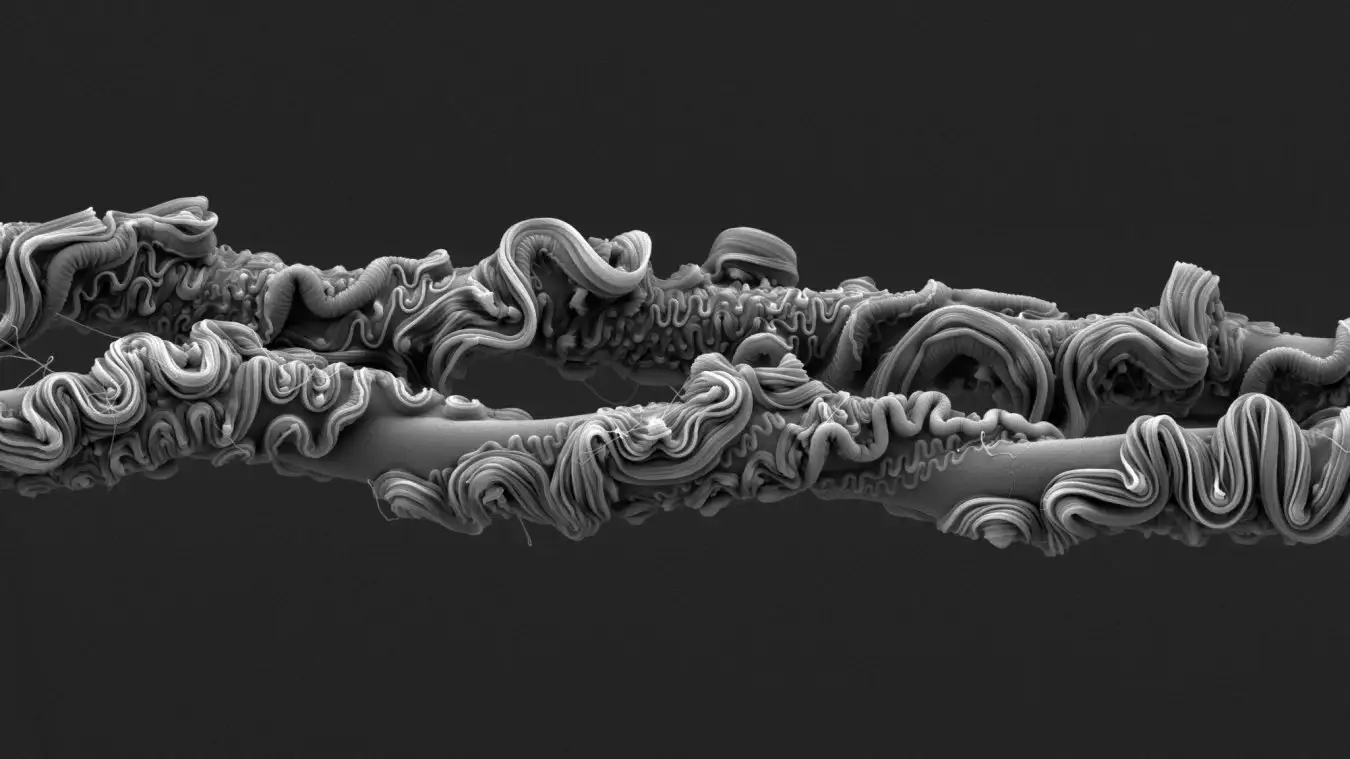
Spider silk threads
Martin J. Ramirez/Royal Society Publishing
These twisting threads wrapped in thinner, looping strands are the silk of an Australian net-casting spider (Asianopis subrufa), a consummate ambush predator. Instead of building a web and waiting for prey to fall into it, this spider holds its net in its front four legs and throws it over a hapless insect. As this electron microscope image shows, its silk is specially adapted for this unusual hunting technique: it consists of an elastic core encased in a sheath of harder fibres of varying sizes, making it both strong and exceptionally stretchy.
The photo, taken by Martin J. Ramirez at the Argentinian Bernardino Rivadavia Museum of Natural Sciences and his colleagues, is the overall winner of the Royal Society Publishing Photography Competition 2025.
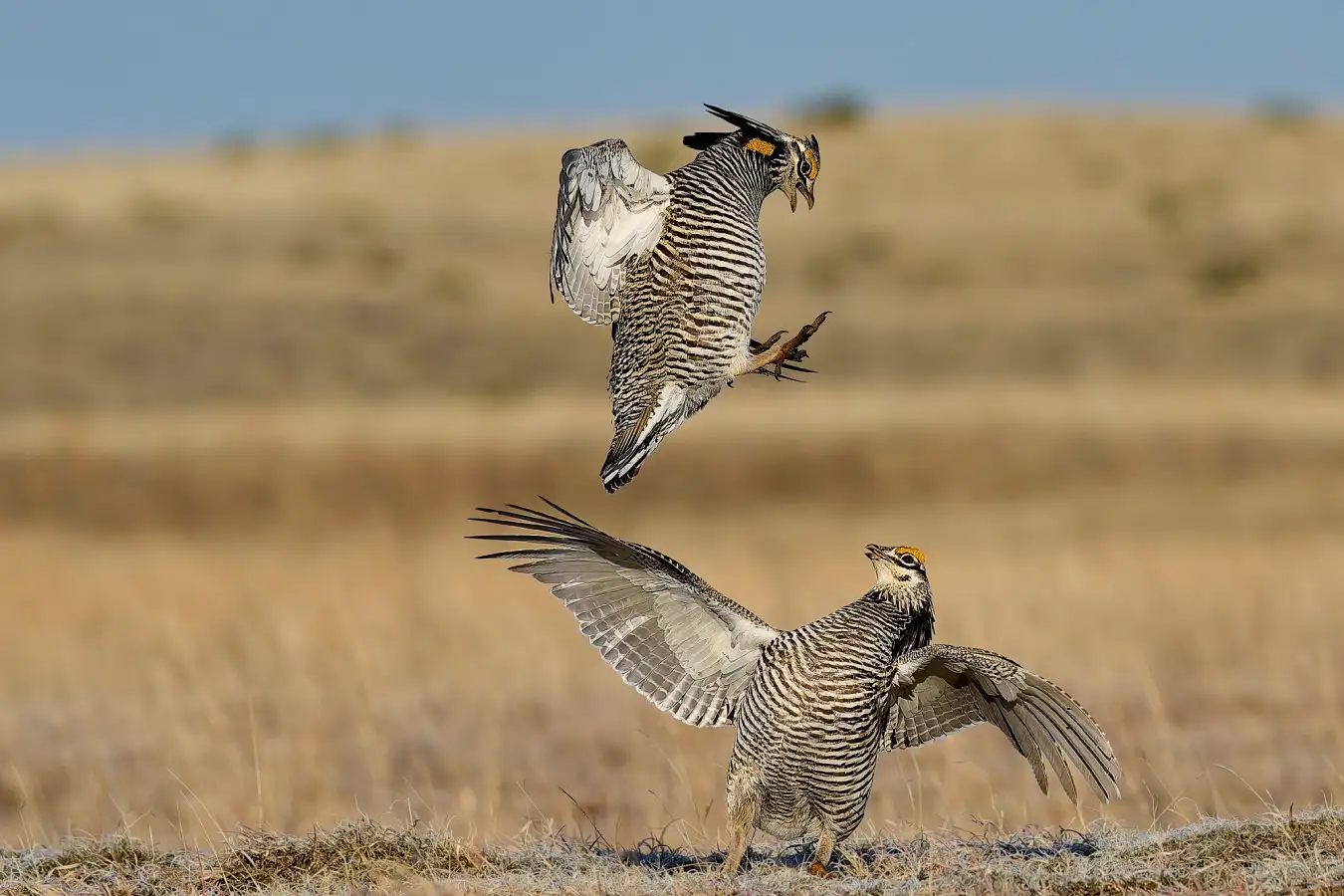
Jumping prairie-chickens
Peter Hudson/Royal Society Publishing
The winning photo in the behaviour category shows a fight between two male greater prairie-chickens (Tympanuchus cupido), snapped by Peter Hudson at the Pennsylvania State University. Like many grouse species, males gather at a so-called lek during the breeding season, where they compete for mates by leaping into the air and attempting to strike their opponent.
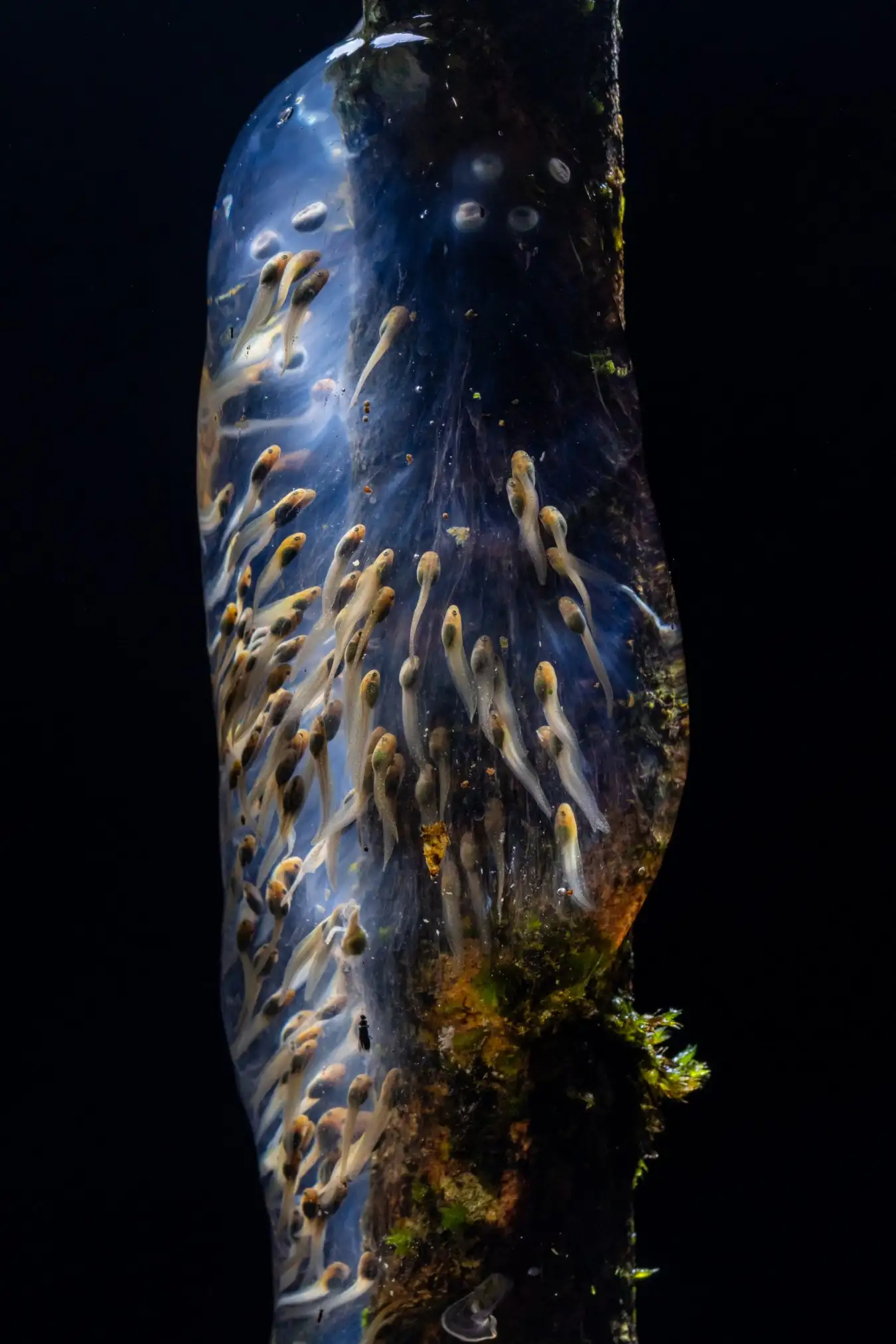
Tadpoles
Filippo Carugati/Royal Society Publishing
Filippo Carugati at the University of Turin, Italy, won in the ecology and environmental science category with this photo of tadpoles, taken during fieldwork in Madagascar. The tadpoles, thought to be the young of a Guibemantis liber frog, are swimming in a gelatinous substance hanging from a tree trunk.
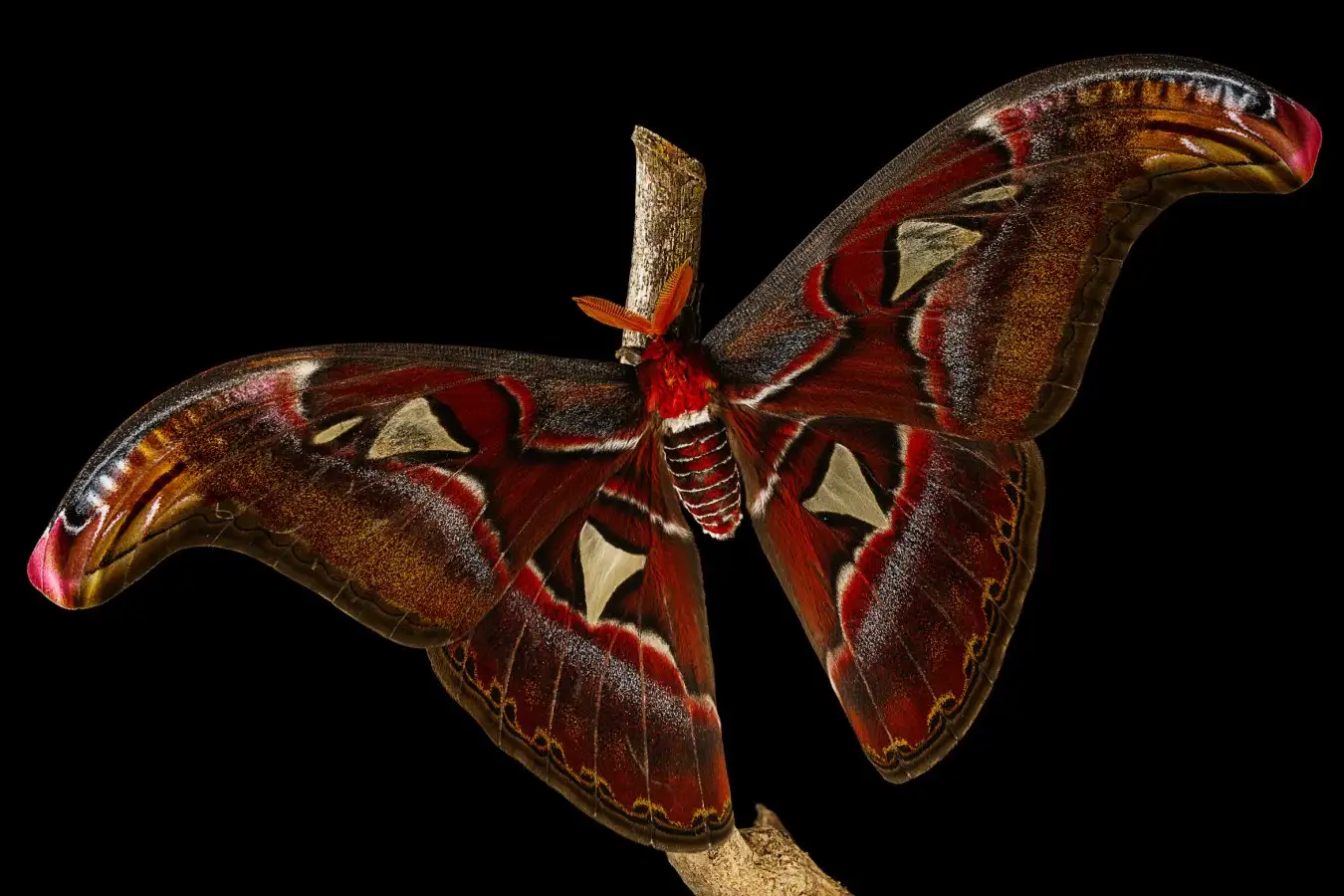
Atlas moth
Irina Petrova Adamatzky/Royal Society Publishing
This image by Irina Petrova Adamatzky, a UK-based photographer, is the runner-up in the behaviour category. It showcases the masterful mimicry of the Atlas moth (Attacus atlas), one of the largest moths in the world, with a wingspan of up to 30 centimetres. The tips of its wings resemble snake heads: a disguise that helps it avoid being eaten by birds.

Fog in the Atacama desert
Felipe Rios Silva/Royal Society Publishing
In Chile’s Atacama desert, stratocumulus clouds drifting in from the coast are a valuable resource. Felipe Ríos Silva at the Pontifical Catholic University of Chile and his colleagues are exploring techniques for catching the fog and turning it into drinking water for communities living in one of the driest places on Earth. Ríos Silva’s photo was the runner-up in the earth sciences and climatology category.
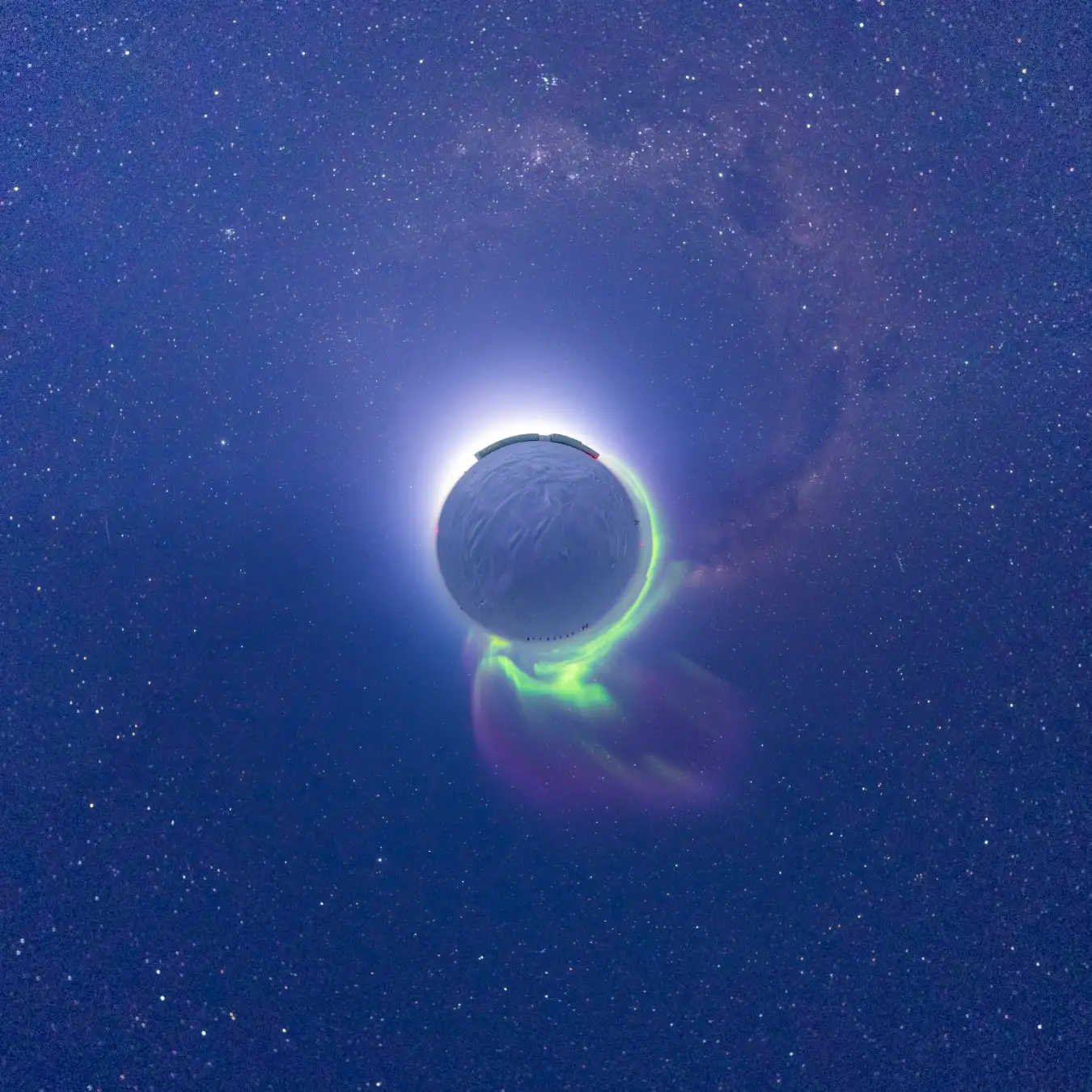
South Pole sunrise
Dr. Aman Chokshi/Royal Society Publishing
The return of the sun after six months of darkness at the South Pole is captured in this image by Aman Chokshi at McGill University in Canada, the runner-up in the astronomy category. Chokshi had to heat up his camera and contend with the icy wind at -70°C (-94°F) for several minutes to take a 360-degree panoramic shot of the horizon as the sun rose. He then turned it into a stereographic image resembling a small planet, fringed by a green and purple aurora with the Milky Way above.
Topics:
Source link : https://www.newscientist.com/article/2506729-incredible-close-up-of-spider-silk-wins-science-photo-prize/?utm_campaign=RSS%7CNSNS&utm_source=NSNS&utm_medium=RSS&utm_content=home
Author :
Publish date : 2025-12-04 00:01:00
Copyright for syndicated content belongs to the linked Source.