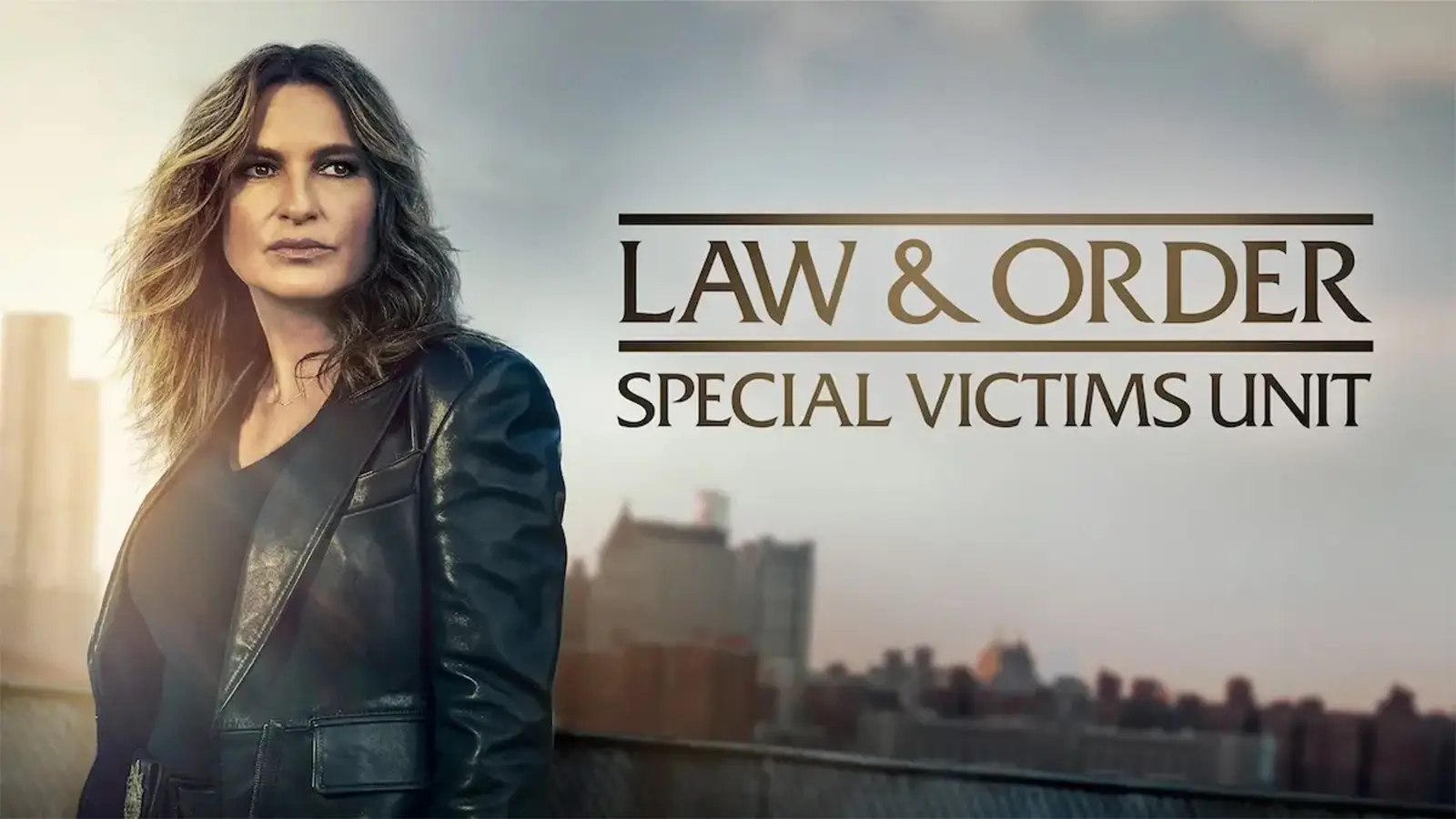
“Law & Order: Special Victims Unit” (SVU) is currently in its 27th season. Detectives in the special victims unit usually investigate crimes in the first half, while the second half involves prosecution of crimes. Over its quarter century of episodes, SVU has brought many taboo themes to American living rooms.
In the recent episode, “Hubris,” a prominent child abuse pediatrician diagnoses abuse without examinations. She hides test results that demonstrate a medical cause of a child’s presentation. The expert is well-spoken and convincing in court — with resultant wrongful convictions and wrongful loss of child custody.
But the episode’s portrayal of a rogue child abuse pediatrician acting in isolation to remove children from their parents doesn’t quite line up with much of reality. Where the show had the chance to educate viewers about child abuse, it instead sensationalized an uncommon occurrence.
Inside the Episode
This episode finds Captain Olivia Benson in a busy emergency department, where she is kind and empathic toward a child trafficking victim — a contrast to Child Protective Services, which is portrayed as overworked, with high employee turnover. We learn that the teenage survivor was separated from her single Black father due to allegations of abuse. Back when she was 10, the police had said there were plenty of witnesses to a volleyball injury that explained her arm fracture, and the prosecutor didn’t charge the father. However, the child abuse pediatrician unilaterally “knew” it was abuse, which prompted the family court to put the girl into foster care.
Another case involved a single Black mother who had been sent to Rikers Island for her baby’s abusive head trauma — and the audience learns that the actual issue had been a genetic disorder. The episode touches on racial issues in child maltreatment decisions, as both the families are Black.
“Dr. Bethany Allen,” the child abuse pediatrician involved in both cases, is said to be highly respected. And she certainly has a big ego — telling Benson that she is “not capable” of understanding the complexities of the case. Allen appears clearly biased, rejecting any data point that doesn’t fit with her preconceived diagnoses. But rather than being a “Dr. Evil” character, using cases for her own gain, she sees herself as an activist — exposing all the cases of child abuse that only she can see. She is proud of the increase in Child Protective Services referrals, and sees her work as “diligent and vigorous.” Meanwhile, Benson pleads with a busy younger doctor to look into the cases — and that doctor discovers flaws in Allen’s methodology.
“SVU” is far from the only media portrayal of child abuse pediatricians — the “Take Care of Maya” case and the podcast “The Preventionist” have also brought this role into the mainstream.
Child Abuse Pediatrics in the Real World
“SVU” in particular provides a frame of reference and may perpetuate stereotypes that child abuse pediatricians operate to remove children, rather than their role of being careful and collaborative diagnosticians for a vulnerable young population.
In the real world, there are many safeguards and robust systems. Child abuse pediatricians work as part of teams and collaborate with child protective services and police investigations. Benson even alludes to this when she says “I’ve worked with CAPs [child abuse pediatricians] before and it has always been a team.” They work to determine whether a specific injury was the result of an accident, maltreatment, a medical condition, or whether it is indeterminate. The pediatrician is part of a multidisciplinary team, and serves as a consultant to the child’s treatment team. There are checks and balances. Caution is used in differential diagnoses and work-ups prior to diagnoses being made.
Very few injuries have a unique mechanism that can only be abuse. In the “SVU” episode, the teenager’s observed arm fracture during volleyball was not one of them. Child abuse pediatricians look into the context of injuries, use collateral information, and consider the mechanism. Peer review processes provide opportunities for course correction. Allen didn’t seem to think she needed peer review, since she said everyone always agreed with her.
Recent studies of opinions of child abuse pediatricians paint a different picture than “SVU” of how common determinations of abuse are. One hospital-based child abuse pediatrics service study found that of 800 consultations for non-sexual abuse, the service concluded that abuse was likely or definite in 40%. (In contrast, 25% were considered questionable or unknown, 24% a definite or likely accident, 5% with no injury, 4% neglect, and the presentation of a medical condition in 3%.) Meanwhile, a study of 20 medical centers, including 2,890 consultations by child abuse pediatricians, found that just over half of cases (53%) were assessed as being low likelihood of abuse.
Why is this important? Art influences life, and life, art. Mariska Hargitay, the actor portraying Olivia Benson for decades, has received personal letter after letter from survivors sharing their stories — because of her portrayal of the empathic and competent cop. Hargitay founded the Joyful Heart Foundation, which helps survivors of sexual assault, partner violence, and child abuse. This work does immense good for survivors.
But in this episode, “SVU” could’ve done better. Holding Allen up as the Goliath who needed to be defeated by David in the form of a harried smart young doctor was far from reality. Another doctor from a functioning child abuse team could have given a second opinion. The show didn’t need to make it look like child abuse pediatricians don’t collaborate, use collateral information, and consider mechanisms of injury. Allen is not the current template for a child abuse pediatrician.
Just as crime shows have the opportunity to correct misconceptions about mental illness or neurodivergent personalities, shows like “SVU” can and should help educate viewers about detection, medical assessment, and legal processes regarding child maltreatment.
Susan Hatters Friedman, MD, MSt, is the Phillip Resnick Professor of Forensic Psychiatry at Case Western Reserve University in Cleveland, where she is also a professor of psychiatry, reproductive biology, pediatrics, and law (adjunct). Joshua Friedman, MD, PhD, is a pediatrician at Akron Children’s Hospital, at the Children at Risk Evaluation Center, and the Mahoning Valley Child Advocacy Center in Ohio.
Source link : https://www.medpagetoday.com/popmedicine/popmedicine/120279
Author :
Publish date : 2026-03-12 18:51:00
Copyright for syndicated content belongs to the linked Source.