


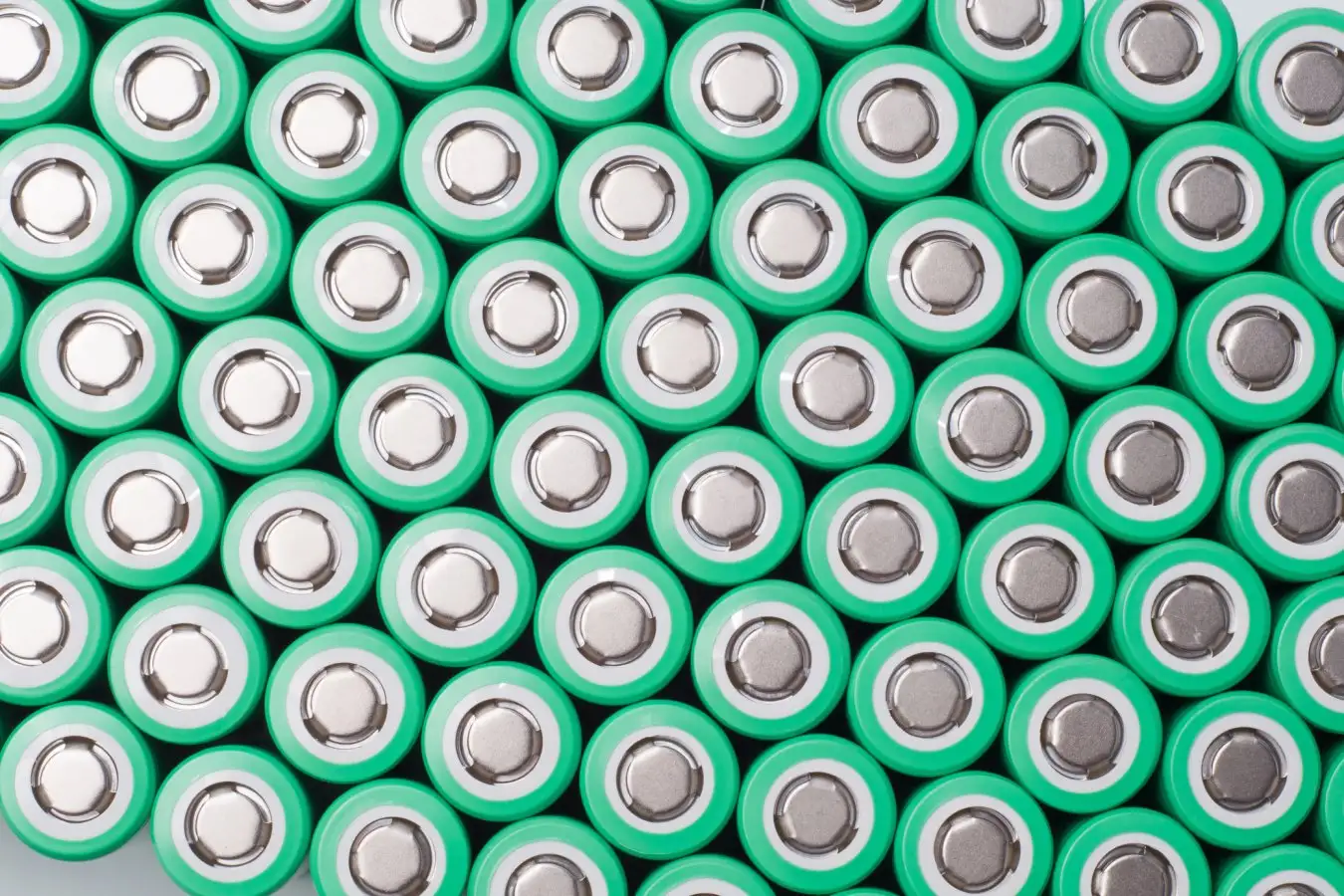
Lithium-ion batteries could eventually last longer
Shutterstock/Bokeh Art Photo
It may be possible to extend the life of lithium-ion batteries using standard, low-cost chemistry.
Lithium-ion batteries consist of a negative anode and a positive cathode with a porous separator between the two. This is immersed in an electrolyte that enables lithium ions to shuttle between the electrodes during charge and discharge.
At the negative electrode, the electrolyte breaks down to form a thin protective coating that keeps the battery stable and prolongs its lifespan.
Chunsheng Wang at the University of Maryland says that creating a similar protective layer on the cathode has always been considered much more difficult because the electrical conditions there are different, creating a more reactive environment and causing conventional electrolytes to break down before a stable coating can form.
Wang and his colleagues overcame this hurdle using a simple reaction borrowed from organic chemistry, which makes the electrolyte more “willing” to accept electrons and steers its breakdown into a controlled process that builds a stable protective coating at the cathode.
“By guiding how the electrolyte breaks down at the molecular level, we were able to precisely control the protective layer that forms on the cathode,” says Xiyue Zhang, a postdoctoral research associate in Wang’s group.
The chemistry is also flexible. The resulting cathode-electrolyte layer can be tuned to be either more protective, strongly shielding the cathode, or less protective, offering weaker protection but allowing faster electrochemical reactions and providing additional energy. This means batteries can be optimised to give maximum power and energy or longer lifespan and stability.
“If one can ensure the formation of the [cathode-electrolyte layer], this will be a step forward in ensuring longer cycling of the battery,” says Michel Armand at CIC energiGUNE, an energy storage research centre in Spain. Given that Wang and his colleagues used well-established chemical procedures to modify the battery design, such batteries should be safe and easy to manufacture, says Armand.
It is currently unclear by exactly how much the new approach could boost the longevity of lithium-ion batteries, but this should become clearer later in the technology’s development.
“It is a relatively straightforward tweak to existing batteries,” says Wang. “After safety and long-cycle tests, this approach [could] realistically reach consumers.”
Topics:
Source link : https://www.newscientist.com/article/2511778-lithium-ion-batteries-could-last-longer-with-chemical-tweak/?utm_campaign=RSS%7CNSNS&utm_source=NSNS&utm_medium=RSS&utm_content=home
Author :
Publish date : 2026-01-15 20:00:00
Copyright for syndicated content belongs to the linked Source.