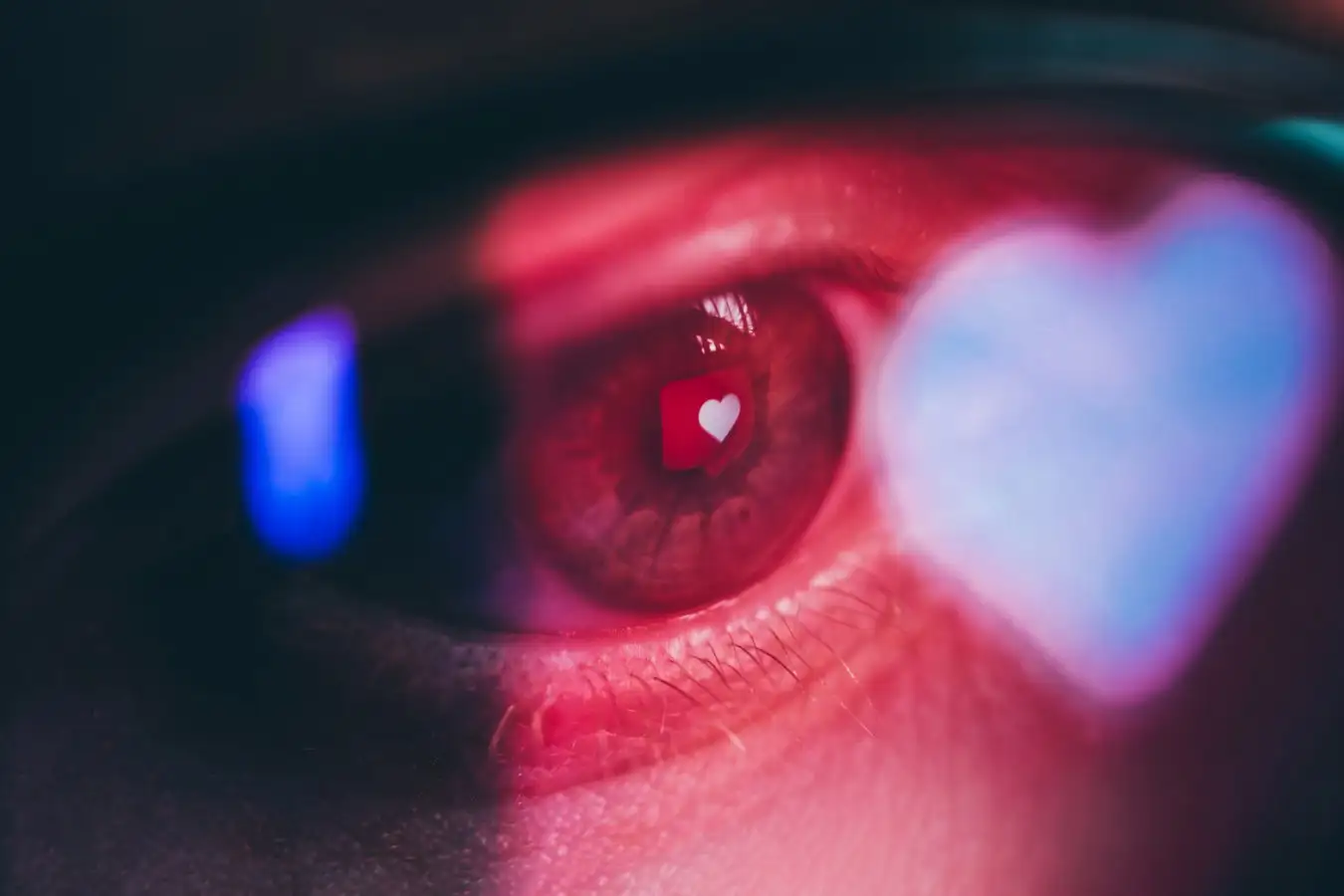
Imagine forming a relationship with a chatbot that suddenly starts suggesting products to you
Maria Korneeva/Getty Images
Love Machines
James Muldoon, Faber & Faber
Artificial intelligence is now unavoidable – although there are those among us who try. Even if you don’t seek out a chatbot, you will see new icons in your current apps to bring them within a single click: WhatsApp, Google Drive, even Microsoft Notepad, the simplest program imaginable.
The tech industry is making an enormous and costly bet on AI, and, in turn, is forcing it on users to make good on this investment. Many are embracing it to take over writing, admin or planning, and a minority are going a step further and forming intimate relationships with it.
James Muldoon’s Love Machines: How artificial intelligence is transforming our relationships looks at how humans are getting extremely close with chatbots, either general-purpose ones or apps designed as romantic or sexual partners, but also making friends and using them as therapists – all ideas we have covered a lot in New Scientist, including on page 38.
One 46-year-old woman in a sexless marriage tells Muldoon about using AI to explore elaborate sexual fantasies based in an 18th-century French villa. Nothing wrong with that. Then she goes on to talk about wanting to use it in a doctor’s waiting room…
Another interviewee, Madison, uploads her dead best friend’s texts and voicemails to a “deathbot” service to create a facsimile so she can carry on interacting with her.
Muldoon’s short and numerous stories have a smattering of voyeuristic intrigue. I’m just not sure what they really tell us, other than that people choose to live their lives in different ways, some of which are healthier than others. And what works for one may harm another.
But the issues here are valid. If we believe that AI services won’t go the way of social media, alowly worsening over time and filling up with advertising to increase the owners’ profits, we are deluding ourselves. Imagine forging a long relationship with a chatbot that suddenly suggests products every 2 minutes. What if the company goes bust? Is there a way to back up your artificial loved one – or to run them on another platform? Would you have the right to the data and network that made them? And that’s aside from the psychological dangers of forming bonds with confabulating, forgetful, indifferent, yes-people, and how that might push those who lack real social bonds into further isolation.
There are certainly places for this tech. In Ukraine, for instance, AI is used to treat people with PTSD – a cohort massively outnumbering available human therapists. It could also revolutionise customer service, simple legal work and admin. But many of Muldoon’s stories suggest AI is being used as an emotional (and unhealthy) crutch. One man, heartbroken by his girlfriend’s infidelity, creates an AI partner and hopes to adopt a real child with it.
This book feels more like a red flag alerting us to the loneliness epidemic and chronic lack of access to mental health support than an exploration of the social impact of a new tech. If economies, healthcare systems and societies generally were in a healthier state, perhaps we would have less need for emotional connection to software.
It turns out we are hardwired to anthropomorphise objects – we even name things like cars and guitars. And pareidolia, the brain’s tendency to see faces in random noise (such as in clouds or on rocks), dates back to our time dodging predators on the savannah. Is it any wonder we are tricked by machines that seem to be able to hold a conversation?
If that sounds cynical, guilty as charged. I don’t rule out software becoming sentient and capable of forming opinions and relationships one day, but today is not that day. Current AI can’t really do simple sums – it certainly doesn’t care about you, even if it may throw out words that give that appearance.
Topics:
Source link : https://www.newscientist.com/article/mg26935780-400-were-getting-intimate-with-chatbots-a-new-book-asks-what-this-means/?utm_campaign=RSS%7CNSNS&utm_source=NSNS&utm_medium=RSS&utm_content=home
Author :
Publish date : 2026-01-14 18:00:00
Copyright for syndicated content belongs to the linked Source.