[ad_1]
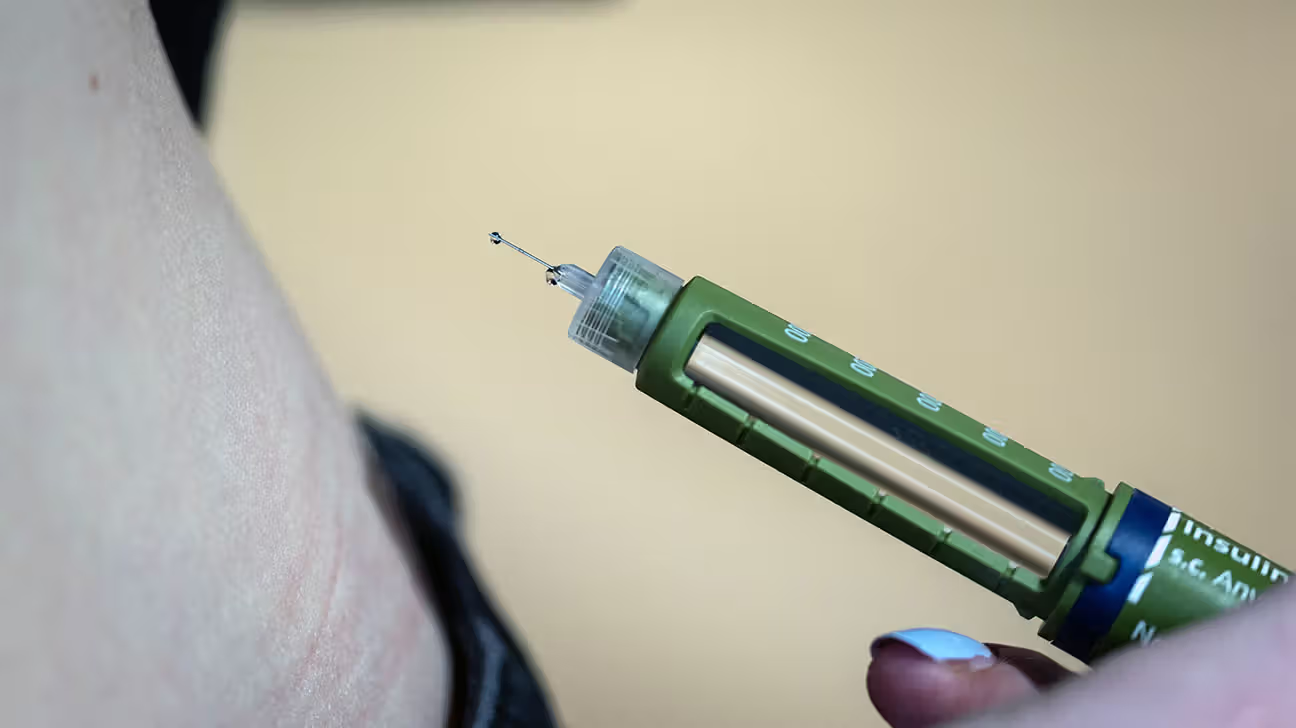
- A new GLP-1 medication demonstrated efficacy in reducing blood sugar in people with type 2 diabetes in a phase 2b clinical trial.
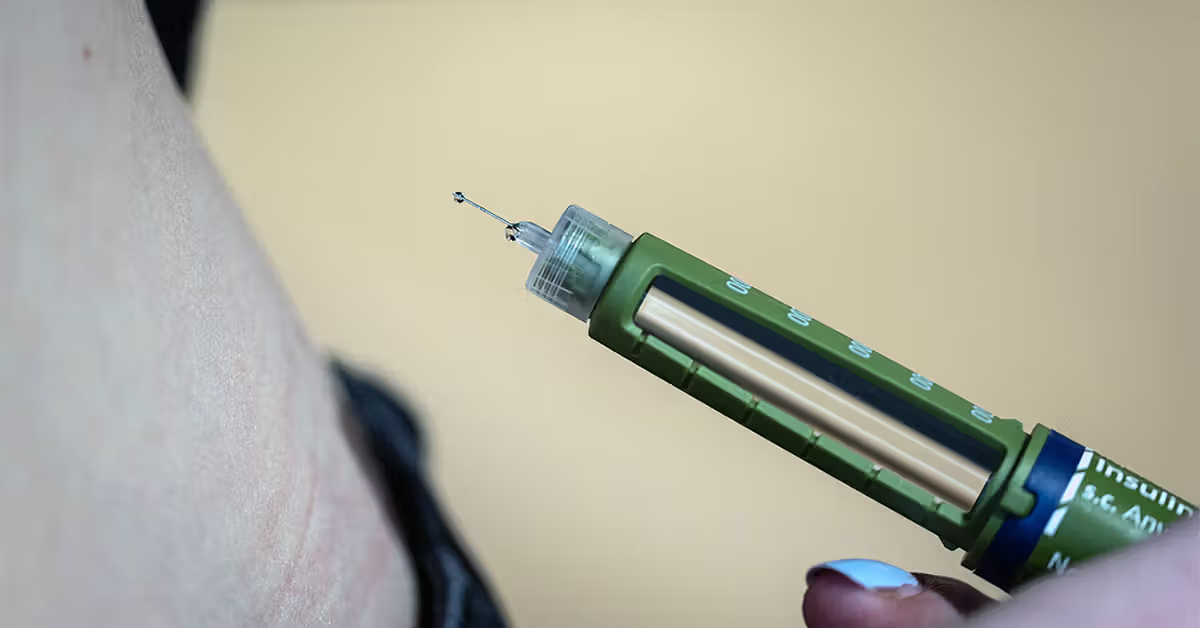
- Bofanglutide is a biweekly (once every 2 weeks) injection compared to once-weekly shots like Ozempic and Wegovy.
- The new biweekly GLP-1 also led to weight loss and improvement in cardiometabolic risk factors.
GLP-1 drugs like Ozempic and Wegovy are groundbreaking treatments for type 2 diabetes and obesity.
As other drug manufacturers join the GLP-1 race, Gan & Lee Pharmaceuticals in Beijing, China, is developing a novel biweekly GLP-1 for weight loss.
In a phase 2b randomized clinical trial, bofanglutide demonstrated a strong efficacy in reducing blood sugar in people with type 2 diabetes.
If approved, a biweekly shot could offer an alternative to once-weekly GLP-1 injections for the needle-averse.
The phase 2b clinical trial of bofanglutide included 272 adults with type 2 diabetes, with an average age of 50.8, from 37 sites across China. The participants were divided into five treatment groups:
- bofanglutide 12 mg (biweekly)
- bofanglutide 18 mg (biweekly)
- bofanglutide 24mg (biweekly)
- bofanglutide 24mg (once weekly)
- semaglutide 1mg (once weekly)
The primary measurement the researchers focused on was HbA1c levels from the baseline to the 24-week follow-up.
At the end of 24 weeks, all bofanglutide groups showed significant reductions in blood sugar levels.
Participants taking bofanglutide experienced weight loss and improvements in various cardiometabolic risk factors.
In some cases, blood sugar reductions among those taking bofanglutide were slightly greater than those taking semaglutide.
However, the semaglutide group received a relatively low dose, highlighting the need for further study.
“More real-world comparisons are needed to determine whether this would be more effective than semaglutide,” said Mir Ali, MD, medical director of MemorialCare Surgical Weight Loss Center at Orange Coast Medical Center in Fountain Valley, CA. Ali wasn’t involved in the study.
The trial’s findings also suggest that bofanglutide could help manage diabetes and obesity.
However, Clare Thompson, a general practitioner and lead of the weight management service at Cadogan Clinic in the United Kingdom, further noted the study’s limitations. Thompson wasn’t involved in the study.
“The study is limited by its relatively small size and by population data from a Chinese cohort, where the starting BMI may be much lower than in Western populations,” she told Healthline.
“[It] does not show what happens to patients after stopping these medications or titrating down to a maintenance dose. Twenty-four weeks is quite a short observation period for drawing full and meaningful conclusions,” she said.
All GLP-1 drugs — semaglutide, bofanglutide, or tirzepatide — may cause side effects.
Around
Gastrointestinal symptoms, such as nausea, are among the most common.
The researchers who conducted the trial found that while these side effects may be more frequent with bofanglutide, they were generally mild.
Other side effects may include a reaction at the injection site. This may include swelling, pain or discomfort, discoloration, or a rash.
If you take a GLP-1 and experience side effects that concern you, speak with your healthcare professional.
[ad_2]
Source link : https://www.healthline.com/health-news/biweekly-glp-1-shot-improves-blood-sugar-weight-loss-clinical-trial
Author :
Publish date : 2026-07-03 07:32:09
Copyright for syndicated content belongs to the linked Source.