

[ad_1]

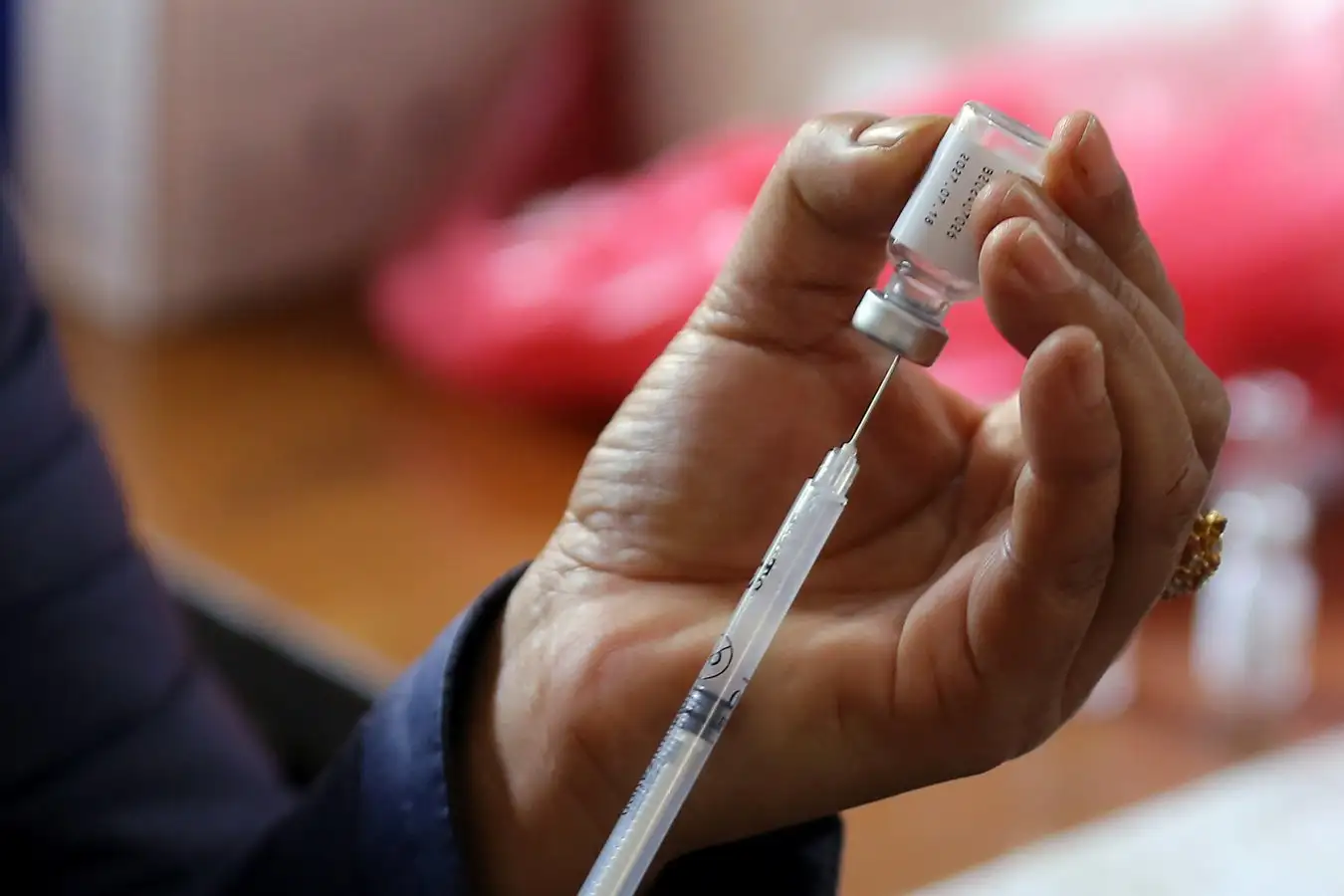
HPV vaccines have revolutionised cervical-cancer prevention since the first one became available in 2006
Subaas Shrestha/NurPhoto via Getty Images
No women in England aged 20 to 24 died of cervical cancer between 2020 and 2024. This is the first time that zero cervical-cancer deaths have been recorded for this age group, and it’s thanks to the introduction of a vaccine against the human papillomavirus, or HPV.
“The results are stunning,” says Peter Sasieni at Queen Mary University of London. “It’s an awful thing when somebody dies very young from cervical cancer. This is a real triumph for vaccination, a real triumph for science and a real triumph for public health to get that vaccine out there with very high uptake very rapidly.”
HPV is spread by several kinds of sexual activity, and many strains genetically modify cells in a way that is extremely likely to cause cancer. Women can get cervical cancer in their twenties because of the virus, and around the world many are still dying because of it.
The first HPV vaccine became available in 2006. In the UK, it has been offered to girls aged 12 or 13 since 2008. It’s been offered to boys since 2019, both to protect them from other HPV-triggered cancers – like those affecting the mouth, anus, throat and penis – and to prevent them from infecting others.
The study is the first evidence that the HPV vaccine prevents cervical-cancer-related deaths, in addition to dramatically reducing HPV infections and the incidence of cervical cancers. It may seem obvious that it prevents deaths, but we know that the women who are least likely to get vaccinated are also the least likely to go for screening, says Sasieni. So, there was a worry that the vaccine has mainly been preventing cancers that would have been detected early by screening and successfully treated, but not preventing those that would get missed by screening and therefore be more likely to kill women.
Fortunately, this doesn’t appear to be the case. Sasieni and his colleague Milena Falcaro, also at Queen Mary, have been monitoring cervical-cancer rates and deaths in England, and noticed that between 2020 and 2024 – the most recent data available – there were no deaths among women aged 20 to 24. Based on historical rates, around 23 deaths would be expected. “As far back as I’ve seen data, there’s never been a year with none, and so five years in a row with no deaths is really quite something,” says Sasieni.
The dramatic drop is almost certainly due to the HPV vaccine – around 90 per cent of women in England aged 20 to 24 were vaccinated when they were 12 or 13. “This hugely encouraging news shows the life-saving impact of the HPV vaccine, and it’s incredibly exciting to be able to say to this whole generation: cervical cancer and some other cancers shouldn’t be a risk for you,” says Caroline Temmink, director of vaccination for the National Health Service (NHS) in England.
While this study looked only at cervical cancer, the benefits of this vaccine also apply to other HPV-related cancers. It should also protect against warts on the skin and genital and anal areas in both sexes.
Sasieni and Falcaro note that there were some deaths among women aged 25 to 29, but far fewer than would be expected. Altogether, they estimate around 200 lives have already been saved, and this is just the start. “The 200 which we’ve estimated in the paper is really just the tip of the iceberg, because it looks like there’s long-term protection against infection,” says Sasieni. “In the future, 18,000 deaths might be a rough estimate of what we’re preventing so far.”
Worldwide, however, uptake of the HPV vaccine is low and the rate of cervical cancer is still rising. Death rates may also rise in the UK because fewer teenagers are getting vaccinated. “The bad news is that the vaccine uptake has fallen quite dramatically since covid,” says Sasieni.
“Alongside cervical screening, HPV vaccination is central to the NHS ambition to eliminate cervical cancer by 2040,” says Temmink. “It’s a safe and effective vaccine and we urge everyone eligible to take up the offer when invited.”
Topics:
[ad_2]
Source link : https://www.newscientist.com/article/2530733-no-young-women-have-died-of-cervical-cancer-in-england-for-years/?utm_campaign=RSS%7CNSNS&utm_source=NSNS&utm_medium=RSS&utm_content=home
Author :
Publish date : 2026-06-17 23:30:00
Copyright for syndicated content belongs to the linked Source.