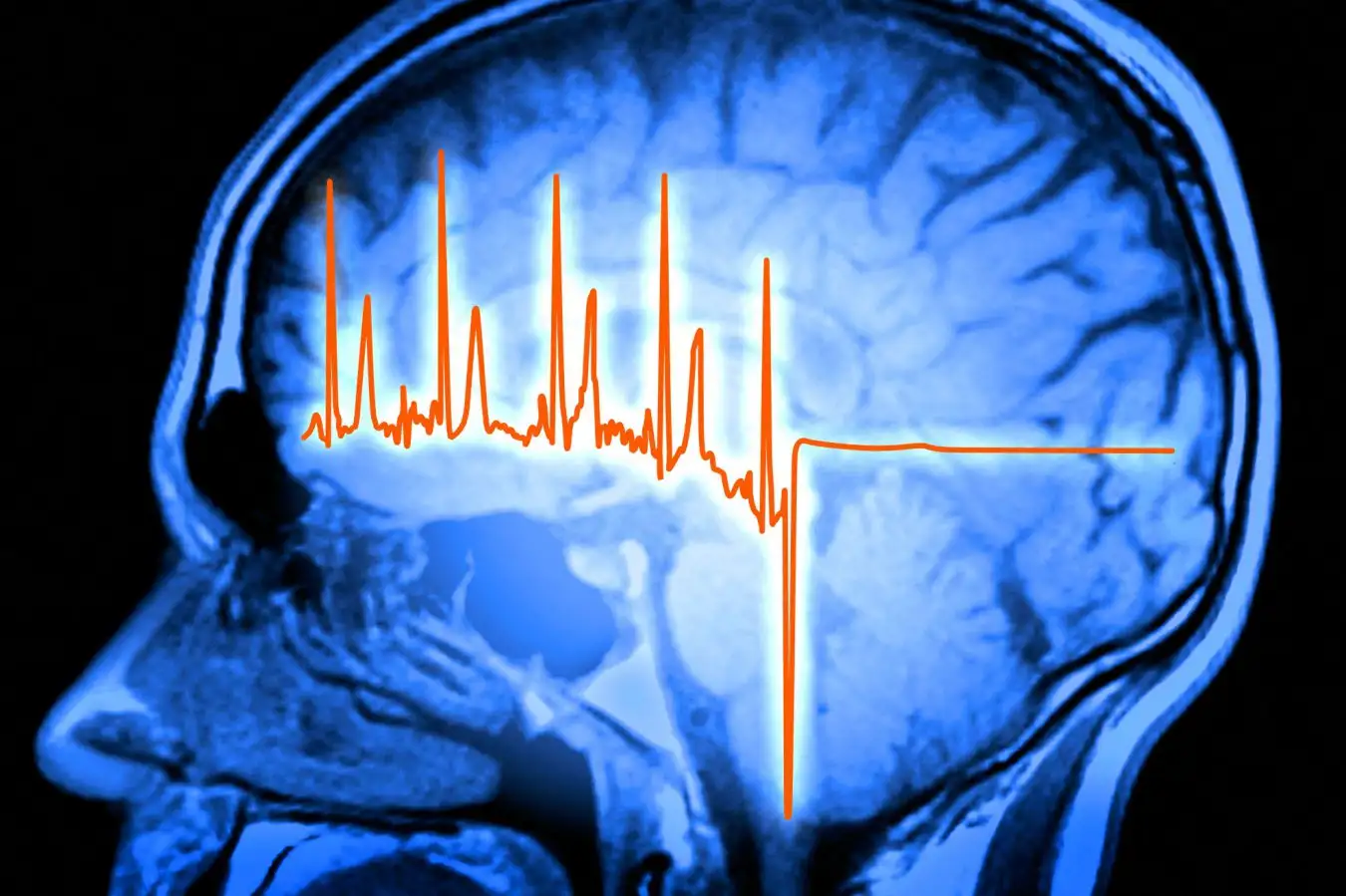
The brain responds after a heart attack
Science Photo Library / Alamy
Following a heart attack, the brain picks up and acts on signals that come directly from sensory neurons located in the heart. The discovery suggests there is a feedback loop, which involves the immune system as well as the brain, that has an important role in recovery.
“The body and the brain do not exist in isolation. There is immense crosstalk between different organ systems, the nervous system and the immune system,” says Vineet Augustine at the University of California, San Diego.
Augustine and his colleagues knew from previous work that the heart and the brain are linked by cardiac sensory neurons that regulate blood pressure and fainting behaviour.
So they set up an experiment to understand if similar nerves are involved in the response to heart attacks. They made a mouse’s heart transparent by getting rid of the lipids it contains through a cutting-edge technique called tissue clearing, induced a heart attack by blocking blood flow, and then tracked which heart nerves were most called into action.
They found a previously undiscovered cluster of sensory neurons that stem from the vagus nerve and wrap tightly around the heart ventricle’s thick muscular wall, especially where the tissue was damaged by the lack of blood flow. Before the heart attack, there were just a handful of these nerve fibres. After the heart attack, though, the fibres increased severalfold, says Augustine, suggesting the heart actually triggers these neurons to grow following injury.
When Augustine’s team genetically manipulated these nerves to turn them off, preventing them sending signals back to the brain, the heart quickly healed. “The injured area becomes really, really small,” says Augustine. “The recovery was remarkable.”
After heart attacks, patients often have to undergo surgery to restore blood flow to the heart and prevent further tissue damage. A future drug that targets the newly found neurons, Augustine says, could give patients an alternative, particularly if surgery isn’t available immediately.
The researchers also noticed the signals produced by these nerves travelled to cells in a region of the brain that is activated in response to stress, sending the mouse into fight-or-flight response. This, in turn, activated the immune system, directing immune cells to travel to the heart. The immune cells form scar tissue that repairs the injured heart muscle, but too much scarring can alter the muscle’s function and lead to subsequent heart failure. By blocking this immune response early, Augustine and his colleagues showed another way for the mice to heal after a heart attack.
Experiments in recent decades have hinted at communication between the heart, the brain and the immune system during heart attacks. What’s changed is that scientists now have the tools to identify changes in a level of detail that reaches specific populations of neurons, says Matthew Kay at George Washington University in Washington DC, who wasn’t involved in the study.
“This gives us really exciting opportunities to develop new therapies for patients that have heart attacks,” he says, which could potentially include gene therapies.
Doctors regularly prescribe beta blockers to help patients heal from the tissue damage caused during a heart attack. These findings help elucidate that beta blockers may work by targeting part of the nervous and immune system feedback loop that is activated by a heart attack.
“We may already be intervening on [the newly discovered] pathway,” says Robin Choudhury at the University of Oxford, who wasn’t involved in the study.
However, Choudhury adds, this pathway probably doesn’t exist in isolation and is part of a complex picture of responses that we don’t completely understand yet, which involves other immune cells and signals.
Factors like genetic and sex differences, or conditions like diabetes and hypertension could also potentially affect how the newly identified response plays out. This means that, before designing new drugs targeting the pathway, there has to be a way to determine if and when it is active in the wider population, says Choudhury.
Topics:
Source link : https://www.newscientist.com/article/2513314-our-brains-play-a-surprising-role-in-recovering-from-a-heart-attack/?utm_campaign=RSS%7CNSNS&utm_source=NSNS&utm_medium=RSS&utm_content=home
Author :
Publish date : 2026-01-27 16:00:00
Copyright for syndicated content belongs to the linked Source.