Drinking water from newer groundwater sources was linked with a higher risk of developing Parkinson’s disease, a U.S. population-based case-control study showed.
Parkinson’s risk was 24% higher when drinking water was sourced from municipal groundwater systems or private wells drawing from carbonate aquifers compared with all other aquifer types (OR 1.24, 95% CI 1.18-1.30), reported Brittany Krzyzanowski, PhD, of Atria Research Institute in New York City.
This risk increased to 62% when compared with drinking water from glacial aquifers (OR 1.62, 95% CI 1.45-1.81), Krzyzanowski said in research released ahead of the American Academy of Neurology annual meeting.
The findings suggested a protective trend based on the maturity of the water source. For older groundwater within carbonate systems, the risk of Parkinson’s dropped by approximately 6.5% for each standard-deviation increase in groundwater age. People sourcing Anthropocene-aged groundwater in carbonate systems — water that entered the ground in recent decades — had a greater risk of Parkinson’s compared with those using Pleistocene-aged water, which is tens of thousands of years old (OR 1.11, 95% CI 1.02-1.20).
“We found that characteristics of groundwater in a town or city — such as the type of aquifer it comes from and the age of the water — were associated with differences in Parkinson’s disease risk,” noted Krzyzanowski, who conducted the study while at the Barrow Neurological Institute in Phoenix.
“This matters because it suggests that the groundwater conditions may influence risk, potentially depending on how well the underlying geology protects against surface contaminants,” she told MedPage Today. “Overall, these findings help clarify how environmental exposures in drinking water could play a role in the development of Parkinson’s disease.”
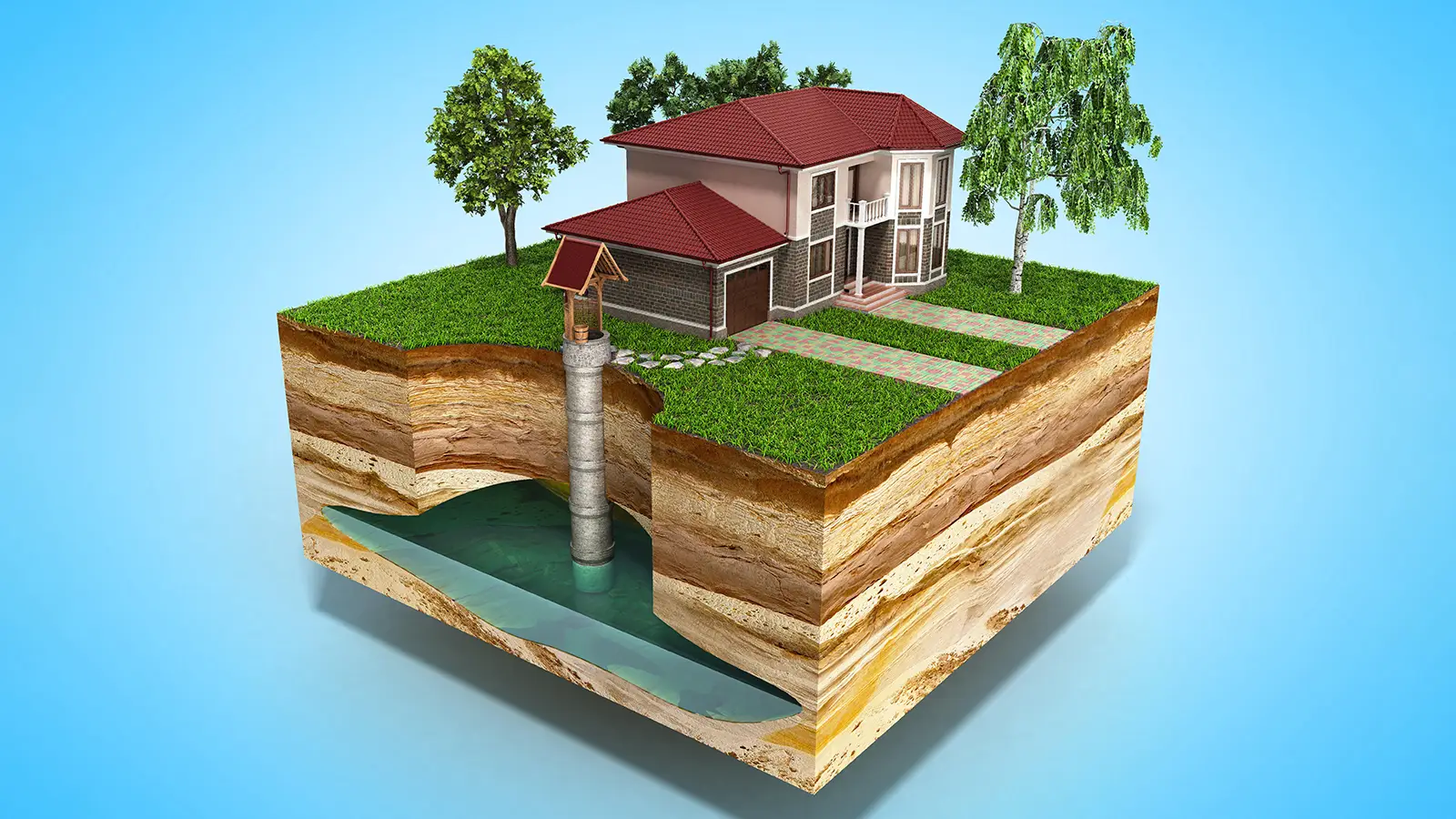
Older groundwater typically contains fewer anthropogenic contaminants like pesticides because it is generally deeper and better shielded than newer sources, Krzyzanowski observed. Carbonate aquifers are composed of limestone that dissolves easily, allowing contaminants to move quickly through cracks, whereas glacial aquifers are made of sand and gravel that tend to filter water more effectively, she noted.
The findings support growing evidence that environmental factors may play a role in Parkinson’s risk. In 2025, a study led by Krzyzanowski showed that living within 1 mile of a golf course was associated with more than double the odds of developing Parkinson’s disease compared with living more than 6 miles away. Other research linked industrial solvents like trichloroethylene in drinking water with a higher risk of Parkinson’s years later.
The current study included 12,370 Medicare beneficiaries with incident Parkinson’s disease and 1.22 million controls, matched on age, sex, and race and ethnicity.
All participants lived within 3 miles of 1,279 groundwater sampling sites across 21 principal U.S. aquifers. Groundwater age, aquifer type, and drinking water source were evaluated as a proxy for neurotoxicant exposure, with models adjusting for age, sex, race, smoking, income, urban or rural residence, and air pollution.
Although the connection between water sources and Parkinson’s is not fully understood, Krzyzanowski suggested that “the most likely explanation is exposure to environmental contaminants in drinking water — such as pesticides or industrial chemicals — that can damage dopamine-producing neurons in the brain, leading to Parkinson’s disease.”
More research is needed to identify which contaminants in drinking water may be most important, Krzyzanowski added. In the meantime, protecting aquifers from toxic contamination, improving monitoring of groundwater pollutants, getting private wells checked annually, and strengthening water treatment systems may help reduce potential risks, she said.
Source link : https://www.medpagetoday.com/meetingcoverage/aan/120743
Author :
Publish date : 2026-04-10 21:00:00
Copyright for syndicated content belongs to the linked Source.