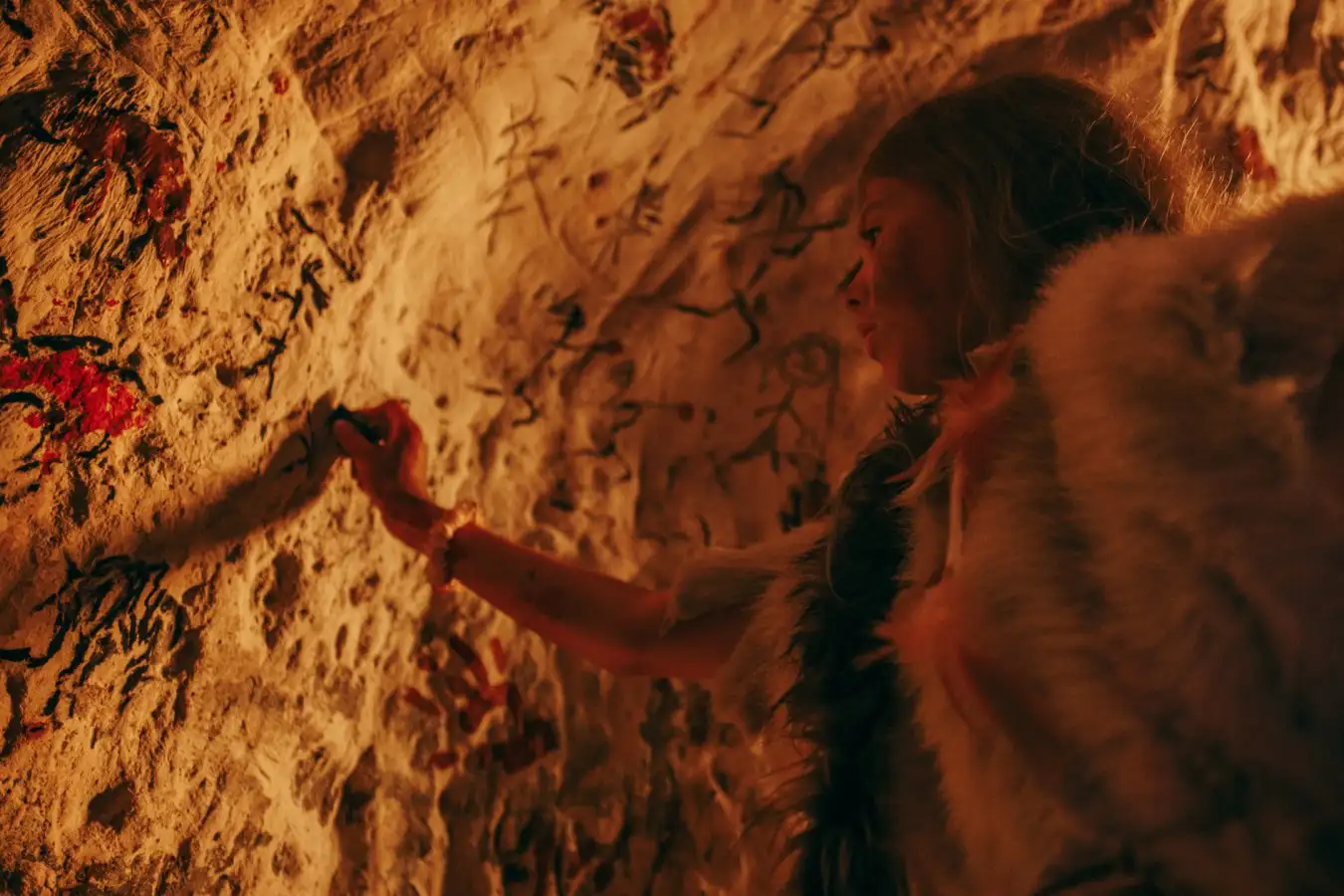
Neanderthals may have used ochre crayons to draw on cave walls
Gorodenkoff/Getty Images
A remarkable yellow crayon unearthed in Crimea, still sharp after more than 40,000 years, indicates that painting lines on objects was part of Neanderthal culture. This discovery is the firmest evidence yet that some Neanderthal groups used coloured pigments in symbolic ways – behaviour once regarded as the sole domain of our species.
“It’s really exciting. It adds a new facet to what we know about symbolic use of colour,” says Emma Pomeroy at the University of Cambridge, who wasn’t involved with the research.
The use of ochre – an iron-rich mineral with red, yellow or orange hues – has ancient roots, dating back at least 400,000 years in Europe and Africa. Bits of ochre are found at many Neanderthal sites, where they seem to have been used for practical purposes such as tanning clothing and as fire accelerants, as well as sometimes smeared on shell beads.
Neanderthals may have also used ochre to decorate their bodies, clothing and other surfaces, but such traces have long since disappeared. To investigate further, Francesco d’Errico at the University of Bordeaux, France, and his colleagues carried out a detailed analysis of ochre pieces found at Neanderthal sites in Crimea, Ukraine. By studying how ochre pieces were modified by Neanderthals, as well as performing a microscopic analysis of how they became worn down, the researchers could build a picture of how the objects were used.
The most compelling of these ochre objects was a yellow one that was at least 42,000 years old and had been ground and scraped into a crayon-like shape about 5 to 6 centimetres long. Detailed analysis shows that the tip had been worn down through use, then resharpened, indicating that it was reused over time as an implement to make marks.
“It was a tool that had been curated and reshaped several times, which makes it very special,” says d’Errico. “It’s not just a crayon by shape. It’s a crayon because it was used as a crayon. It’s something that may have been used on skin or a rock to make a line – the reflection, perhaps, of an artistic activity.”
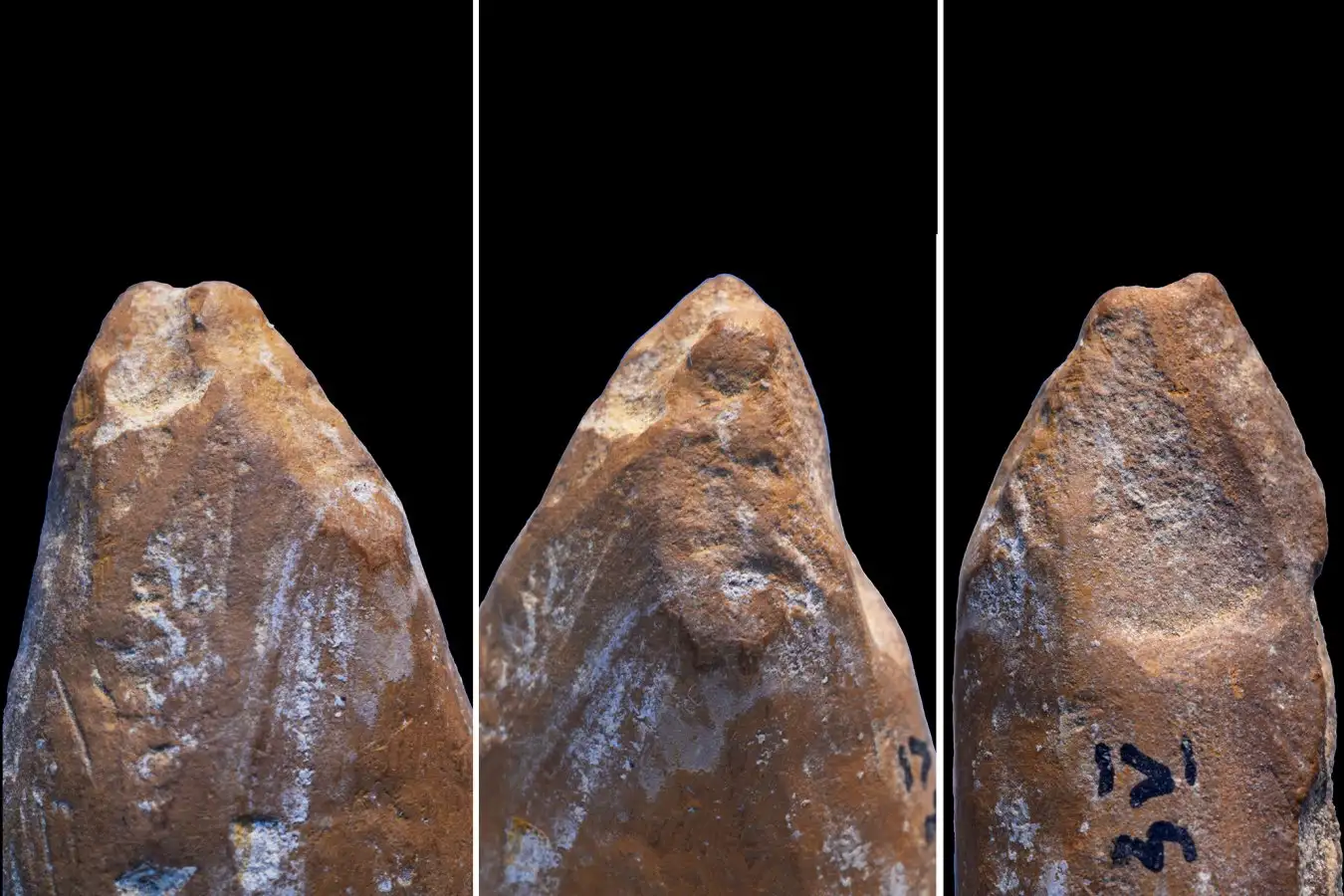
The tip of an ochre fragment that has been used as a crayon and then resharpened
d’Errico et al., Sci. Adv. 11, eadx4722
April Nowell at the University of Victoria in Canada, who wasn’t involved with the research, concurs. “You only maintain a point on a crayon if you want to make precise lines or designs,” she says.
The research team also identified another more ancient broken crayon, perhaps 70,000 years old, made from red ochre.
“It tells us so much just from those small bits of ochre,” says Pomeroy. “It’s that little bit of humanity that we can relate to. It really brings those individuals into touching distance.”
The Crimean crayon discoveries add to the small but growing body of evidence indicating the artistic talents of Neanderthals, such as 57,000-year-old finger carvings on a cave wall in France and mysterious circles crafted from stalagmites 175,000 years ago in another French cave.
They also lend weight to the idea that symbolic behaviour has very deep roots in our evolutionary past, rather than being a capacity that developed relatively recently only in Homo sapiens. “The underlying cognitive ability for symbolic behavior is undoubtedly shared by the last common ancestor of Homo sapiens, Denisovans and Neanderthals more than 700,000 years ago,” says Nowell.
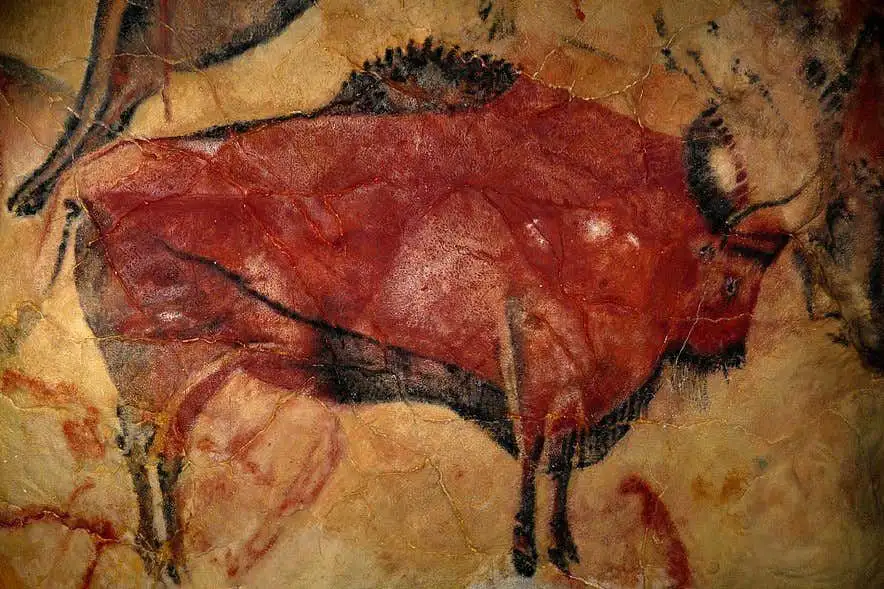
Ancient caves, human origins: Northern Spain
Discover some of the world’s oldest known cave paintings in this idyllic part of Northern Spain. Travel back 40,000 years to explore how our ancestors lived, played and worked. From ancient Paleolithic art to awe-inspiring geological formations, each cave tells a unique story that transcends time.
Topics:
Source link : https://www.newscientist.com/article/2501950-prehistoric-crayons-provide-clues-to-how-neanderthals-created-art/?utm_campaign=RSS%7CNSNS&utm_source=NSNS&utm_medium=RSS&utm_content=home
Author :
Publish date : 2025-10-29 18:00:00
Copyright for syndicated content belongs to the linked Source.