
 Google
The care given to a 45-year-old man with disabilities who died from sepsis after not being given the correct medication for 34 hours has been described as a “shambles” by his mother.
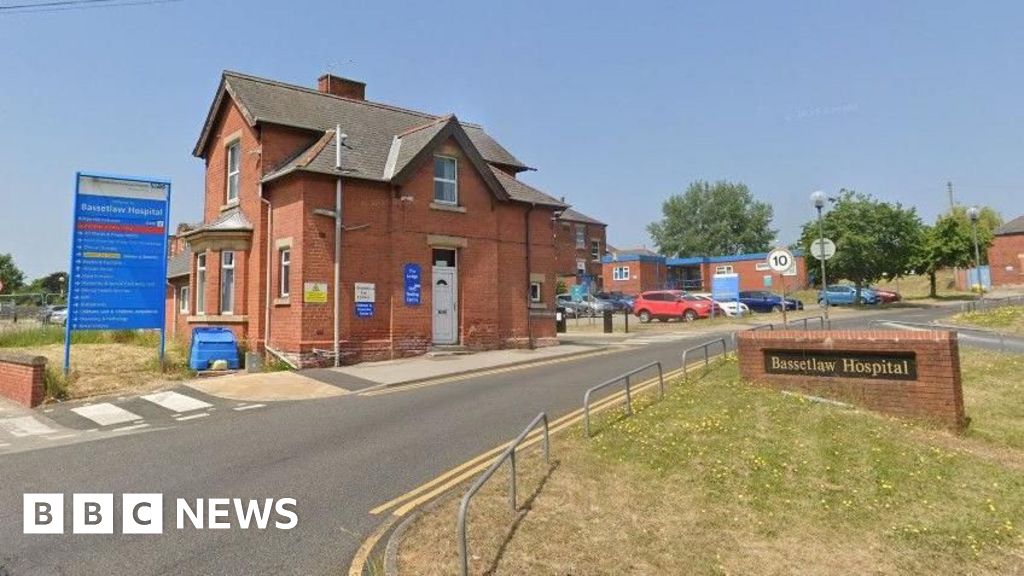
The father of two – named only as Graham – was taken into Bassetlaw Hospital in Nottinghamshire with an infection in November 2022.
An investigation by Parliamentary and Health Service Ombudsman (PHSO) noted doctors did not follow advice from the mother, care home staff or paramedics to give him intravenous (IV) antibiotics rather than oral as it was not confirmed in writing.
The report has now concluded his death was avoidable and he could still be alive if he had been given the correct IV antibiotics earlier.
His mother, Sylvia, who has asked for only first names to be used, said Graham, who lived in Ollerton in Nottinghamshire, had an incurable disorder called Alexander’s Disease, which affects the nervous system.
Frequent infections meant he had regularly been treated by the Doncaster and Bassetlaw Teaching Hospitals NHS Foundation Trust and while oral antibiotics were ineffective, he responded to IV medication.
The PHSO investigation found that despite an email being sent by the GP – which went unseen – and verbal advice, hospital staff, during the final admission, decided to try an oral antibiotic but the requested drug was unavailable.
An IV antibiotic was only given 34 hours after Graham arrived at hospital, and at half the dosage it should have been.
There was also a three-hour delay between the doctor requesting the drug and it being administered, the report found.
By the time a second dose of antibiotic was given, which was also delayed, Graham had become septic. He died a week later.
‘Poor communication’
Sylvia said: “It was a shambles. I spoke to staff several times but was dismissed. For 34 hours his care was non-existent.
“I was given the impression he had at least been given some antibiotics, even if they weren’t the right ones.
“But to find out he was in hospital for all that time with no treatment was very hard.
“They had a duty of care to look after him, they were the professionals but in the end he didn’t stand a chance.”
The PHSO can be contacted by anyone unhappy with the way organisations such as the NHS have responded to their initial complaint.
Chief executive Rebecca Hilsenrath KC, said: “Losing a life through sepsis should not be an inevitability.
“But we are seeing the same failings repeated time and time again, and complaints about sepsis have more than doubled over the past five years.
“We also see poor communication between patients and clinicians and we are focusing our efforts to help improve this throughout the NHS.”
Sylvia confirmed she had received a written apology, which she she described as “like a form letter” but had not seen an action plan the trust had been told to provide.
Karen Jessop, chief nurse at the trust, said: “We are truly sorry for what happened in this case and for the loss experienced by the patient’s family.
“We reviewed the information and care provided at the time through our Patient Safety Panel.
“Immediate actions were implemented to strengthen how antibiotics were prescribed, escalated and given.”
Source link : https://www.bbc.com/news/articles/cjrjq2vw3gzo?at_medium=RSS&at_campaign=rss
Author :
Publish date : 2025-12-16 06:03:00
Copyright for syndicated content belongs to the linked Source.