[ad_1]
- VERVE-102 is an investigational gene-editing therapy designed to permanently turn off the PCSK9 gene in the liver to reduce LDL cholesterol.
- In a phase Ib study, a single infusion of the base-editing therapy reduced PCSK9 and LDL cholesterol levels in patients with heterozygous familial hypercholesterolemia or premature coronary artery disease.
- The lipid nanoparticle delivery system is engineered to reduce the risk of acute adverse events in light of prior issues with a predecessor therapy.
An investigational gene therapy passed muster for reducing PCSK9 and LDL cholesterol levels, with reassuring safety, among patients with heterozygous familial hypercholesterolemia (HeFH) or premature coronary artery disease (CAD), an interim analysis of a phase Ib trial suggested.
Depending on the dose of VERVE-102, mean reductions in PCSK9 levels ranged from 51% to 88%, while mean reductions in LDL cholesterol ranged from 9% to 62%, in the Heart-2 study, reported Sekar Kathiresan, MD, co-founder of Verve Therapeutics, a subsidiary of Eli Lilly, and colleagues.
LDL cholesterol fell by an absolute 78 mg/dL at the highest VERVE-102 dose of 1.0 mg/kg. The reduction looked durable, with the study reaching at least 1 year of follow-up for 15 participants.
The study was published in the New England Journal of Medicine and presented at the European Atherosclerosis Society Congress.
“The Heart-2 results provide early clinical evidence that a single dose of VERVE-102 may mimic the LDL-C [cholesterol] lowering effects of PCSK9 cardioprotective variants, potentially transforming cardiovascular care from chronic management to a one-time treatment,” said Kathiresan in a company press release.
Reducing LDL cholesterol is a long-established strategy for cardiovascular disease prevention. However, it is widely acknowledged that there is persistent, population-level suboptimal control of this risk factor due to a lack of recommended first-line statin use.
Kathiresan and colleagues cited the limited real-world effectiveness of the current treatment model for high cholesterol. Given the issues with access, side effects, or high out-of-pocket costs with daily pills or regular PCSK9-targeting injections, there is still a need for a new approach to sustain LDL cholesterol control, the group suggested.
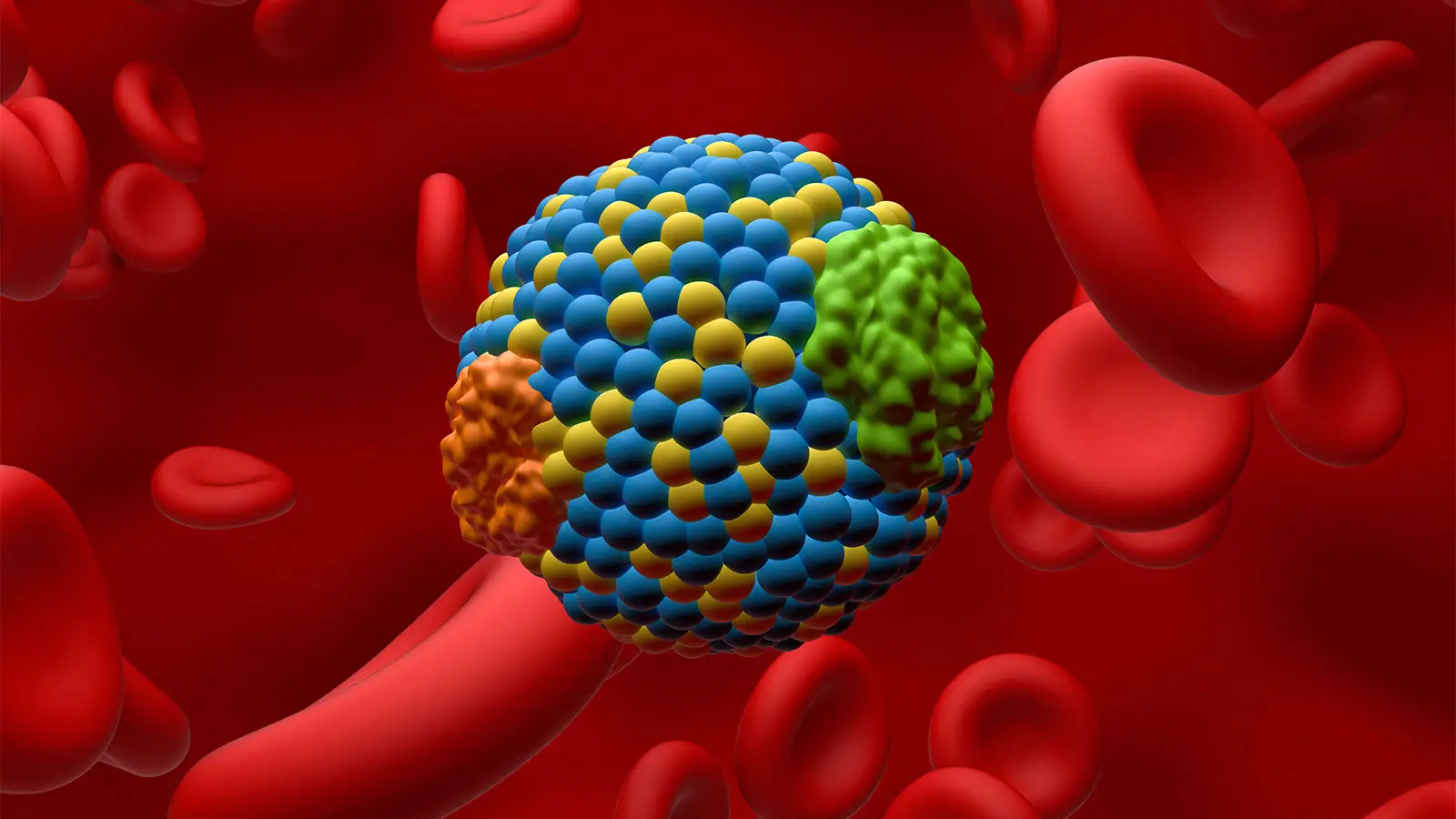
VERVE-102 was developed to overcome these limitations. This one-time gene-editing therapy was designed to permanently silence the PCSK9 gene in the liver. It consists of messenger RNA expressing an adenine base editor and an optimized guide RNA targeting the PCSK9 gene, encapsulated in a lipid nanoparticle delivery system incorporating an N-acetylgalactosamine (GalNAc)-targeting ligand.
It is this delivery system that differentiates VERVE-102 from its predecessor VERVE-101, another gene-editing therapy from the same company that had shown promise in the 10-person Heart-1 proof-of-concept study; VERVE-101 was later dropped due to safety issues concerning increases in serum alanine aminotransferase (ALT) and decreased platelet counts.
In the present Heart-2 study, no dose-limiting toxic effects occurred among VERVE-102 recipients. There were a few instances of mild-to-moderate infusion-related reactions and transient elevations in ALT levels. One case of grade 3 aspiration pneumonitis occurred but was deemed unrelated to the study therapy, according to the investigators.
“Emerging data from the field of in vivo gene editing indicate that the lipid nanoparticle is the primary driver of acute adverse events,” Kathiresan and colleagues wrote. “Our current results support the concept that changes to the formulation and lipid components of the base-editing therapy and the addition of a GalNAc ligand may result in a relatively safe means of delivering the cargo RNAs to the liver.”
The FDA has granted fast track designation to VERVE-102 to reduce LDL cholesterol in participants with hyperlipidemia and high lifetime cardiovascular risk. A phase II study of this therapy is planned to be started this calendar year, Lilly announced.
Meanwhile, the Heart-2 study is ongoing; 35 participants were included in the present interim report.
In short, each person received one intravenous infusion of VERVE-102 at one of six doses (ranging from 0.3 to 1.0 mg/kg) over a period of up to approximately 4 hours. Eligible participants had HeFH or premature CAD (the latter defined as disease occurrence at ≤55 years of age in men or at ≤65 years of age in women).
Among this cohort, mean age was 52 years, 69% were men, and 86% were white. Mean LDL cholesterol at baseline was 129 mg/dL. Most participants had HeFH only (57%), followed by HeFH and premature CAD (26%), and premature CAD only (17%); 71% were taking high-intensity statins.
After VERVE-102 administration, transient infusion-related reactions, all grade 1 or 2, occurred in 20% of the cohort.
Three patients had increased ALT levels reaching 2.0, 2.2, and 2.4 times the upper limit of the normal range at their peak. In all three participants, ALT peaked on day 3 or 4 and fell back to normal range by day 8.
As for the one serious adverse event of grade 3 aspiration pneumonitis, this occurred approximately 2 weeks after a VERVE-102 dose of 0.45 mg/kg. The participant had a history of gastroesophageal reflux disease and sliding hiatal hernia. The site investigator judged the adverse event as being unrelated to VERVE-102 treatment.
The Heart-2 authors nevertheless stressed the preliminary nature of their report.
“The study is not powered to determine the statistical effect size of the pharmacodynamic response, never mind an effect on cardiovascular disease,” Kathiresan and colleagues wrote. “Moreover, the relatively short duration of follow-up in this nonprespecified interim analysis precludes an assessment of the long-term safety (including potential risks of off-target editing) and efficacy of VERVE-102.”
However, researchers are already using VERVE-102’s GalNAc-lipid nanoparticle delivery system for yet another lipid-lowering gene-editing therapy, VERVE-201 (targeting both LDL cholesterol and triglyceride levels).
[ad_2]
Source link : https://www.medpagetoday.com/cardiology/generalcardiology/121439
Author :
Publish date : 2026-05-26 21:29:00
Copyright for syndicated content belongs to the linked Source.