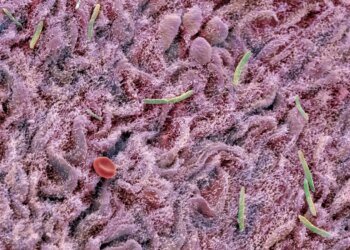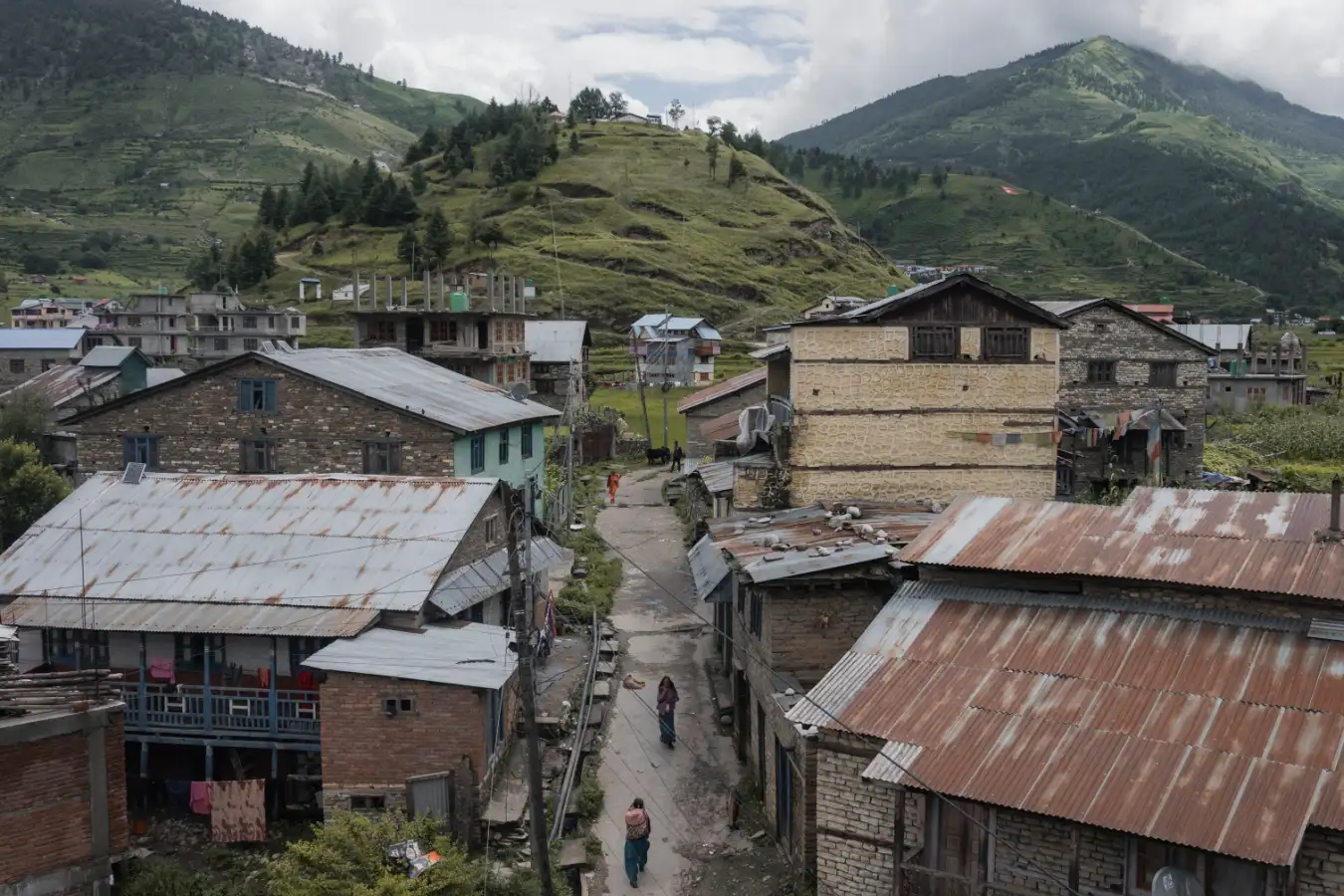
Researchers have found Aedes aegypti and Aedes albopictus mosquitoes and their larvae in Chandannath, Nepal, a high-altitude area
Yuri Segalerba
These striking photographs tell a deadly story about climate change and dengue fever, generally considered the world’s fastest-spreading mosquito-borne disease.
Photographer Yuri Segalerba’s photo essay The Ascent of Temperatures explores how dengue has spread to Nepal’s Himalayan districts, including Chandannath, which, at 2438 metres above sea level, is one of the highest towns where Aedes aegypti and Aedes albopictus mosquitoes and their larvae have been discovered. Previously, these mosquitoes, which transmit dengue and other diseases, had been observed only at elevations of up to 2100 metres, according to the photographer.
Segalerba has been exploring “how traditional knowledge systems respond to external pressures”, and was investigating the spread of dengue into high-altitude areas in the Peruvian Andes when he learned of what was happening in Nepal. “It turned out to be the clearest setting for that question: a millennia-old medical tradition with its own framework for understanding illness, suddenly facing a disease it had never encountered before,” he says.
Recently, dengue has spread across most of Nepal, fuelled by climate change as well as increasing travel. According to Kathmandu News, at least six people died of dengue in 2025 and around 9000 were infected, with the virus now having spread to 76 out of the country’s 77 districts.
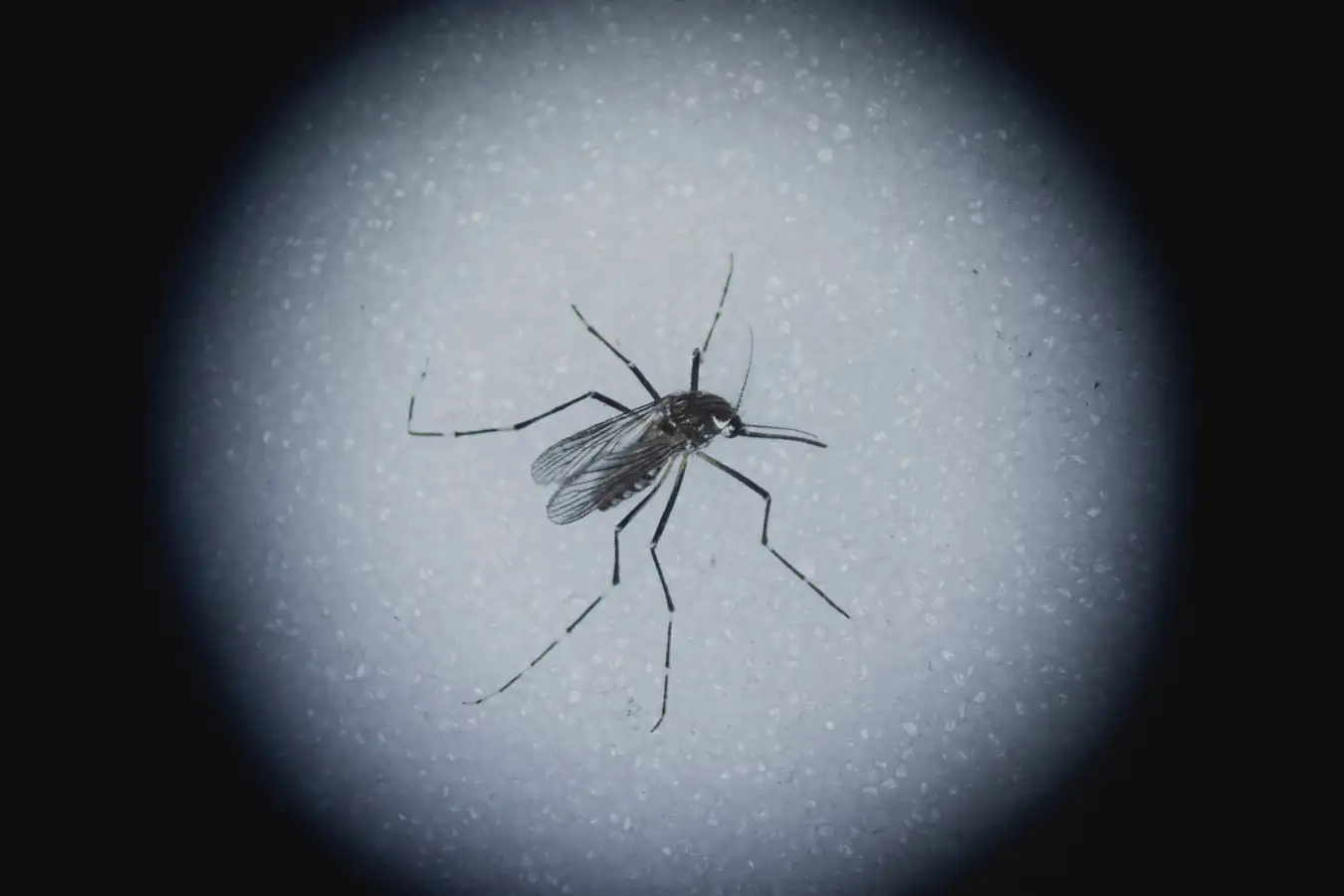
A female Aedes aegypti mosquito seen close up
Yuri Segalerba
Above, a female Aedes aegypti mosquito is shown in detail under a microscope. The Nepal Health Research Council (NHRC), working with the Institute of Tropical Medicine in Antwerp, Belgium, examines larvae and adult mosquitoes for changes in colour or shape that show they are becoming resistant to insecticides or adapting to different altitudes.
Below, Ishan Gautam, associate professor and chief of the Natural History Museum at Tribhuvan University in Kathmandu, shows Aedes larvae to students at Geetamata Secondary School, also in Kathmandu. The university organises awareness campaigns where local people are shown live Aedes mosquito larvae, and learn about their breeding habits and the importance of removing potential breeding sites like stagnant water.

Students examine Aedes larvae during an awareness campaign organised by Tribhuvan University
Yuri Segalerba
In the image below, Amchi Khedup Loden Gurung packs traditional Sowa Rigpa (Tibetan) medicines in a clinic in Jomsom, northern Nepal.
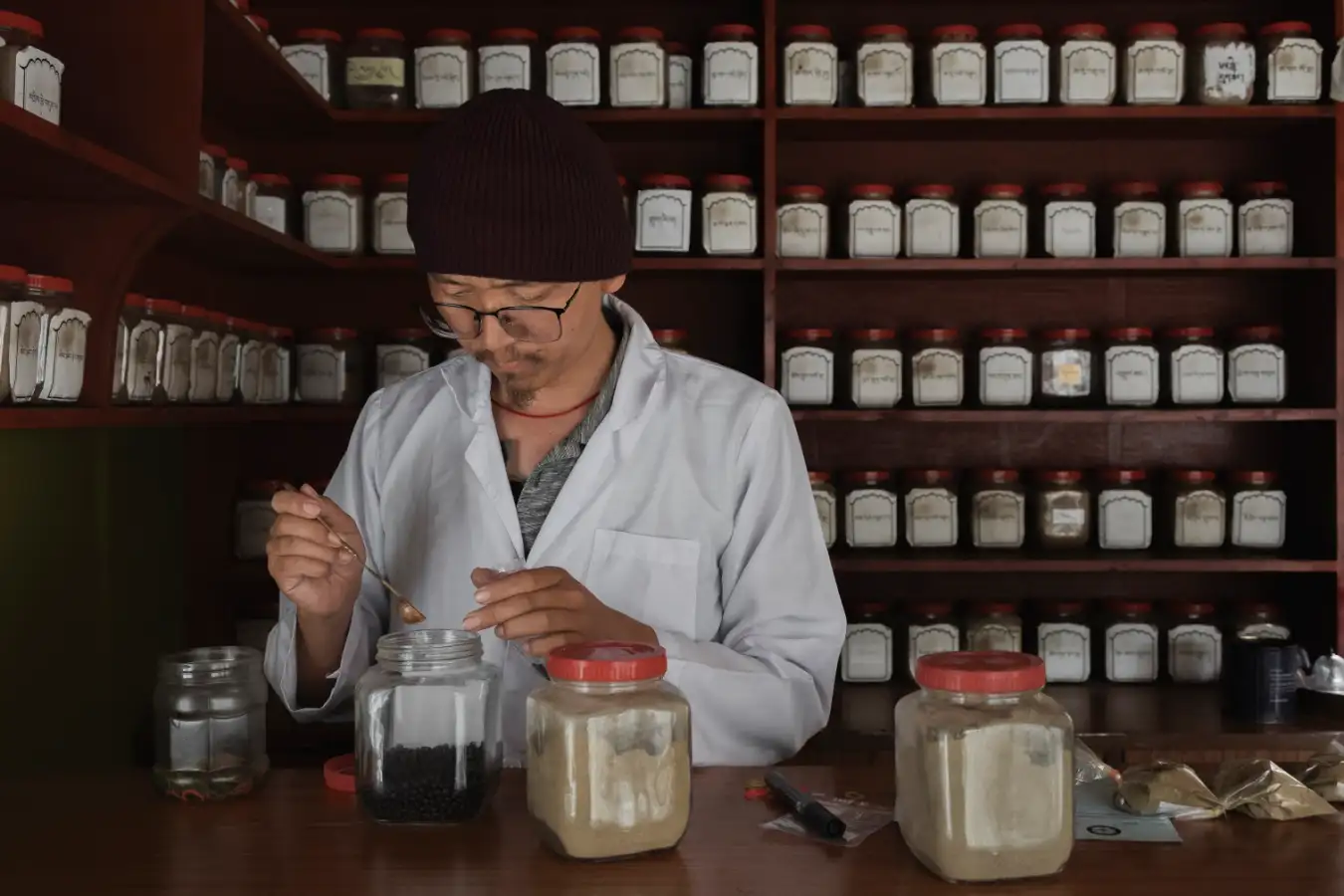
Traditional Tibetan healer Amchi Khedup Loden Gurung prepares medicines in a clinic in Jomsom, Nepal
Mosquito nets are being encouraged around Chandannath: below, local resident Devi Kannya Katayata breastfeeds her son Nehan Budha under a net at home.
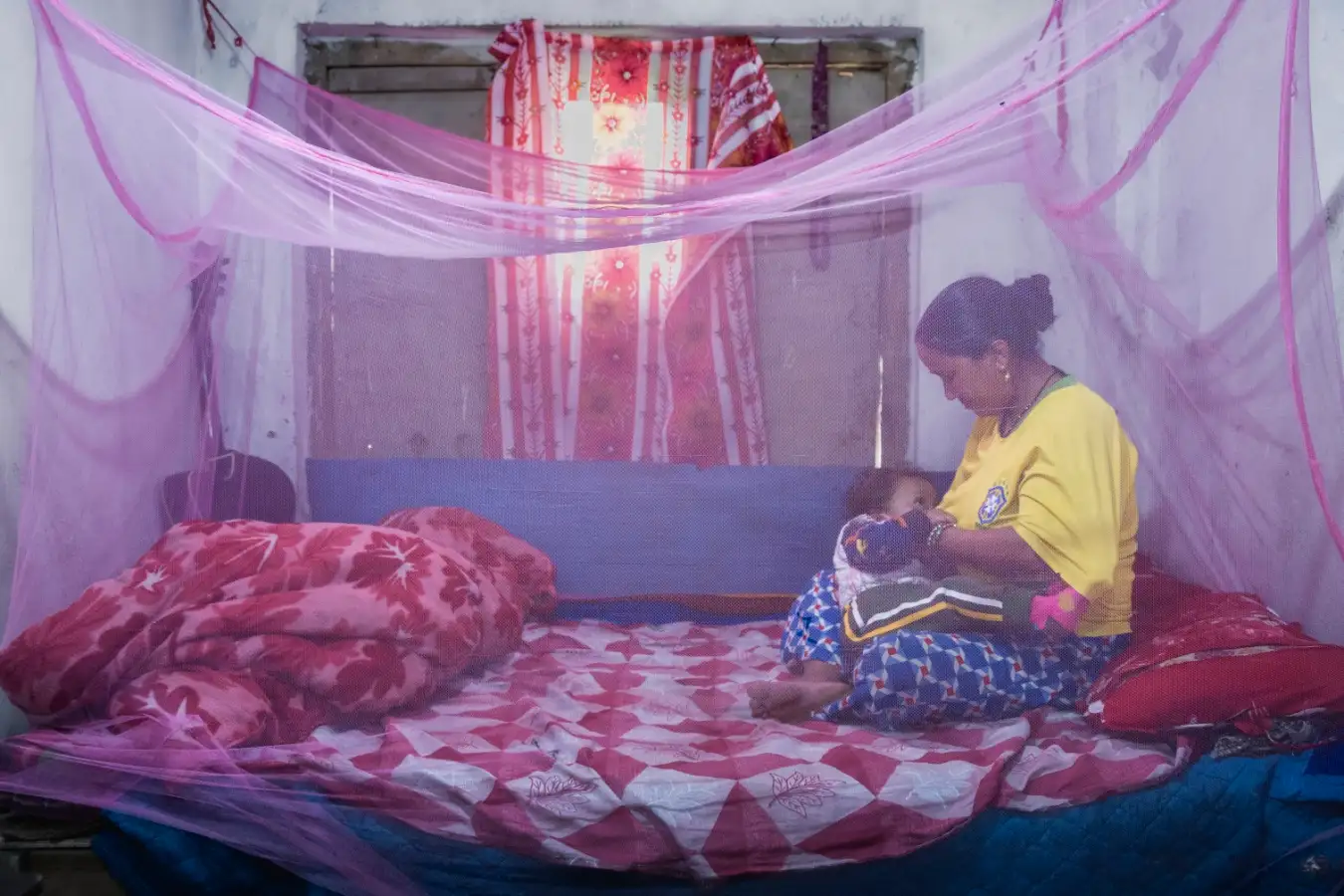
People are being encouraged to use mosquito nets in Chandannath, Nepal, following an unprecedented spread of the dengue virus in areas 2400 metres or more above sea level
Yuri Segalerba
In the image below, Sunita Baral, a PhD student at the NHRC, examines a mosquito inside a rearing cage. The council studies larvae and adult specimens from many habitats to discover more about the dengue-carrying mosquitoes circulating across Nepal.
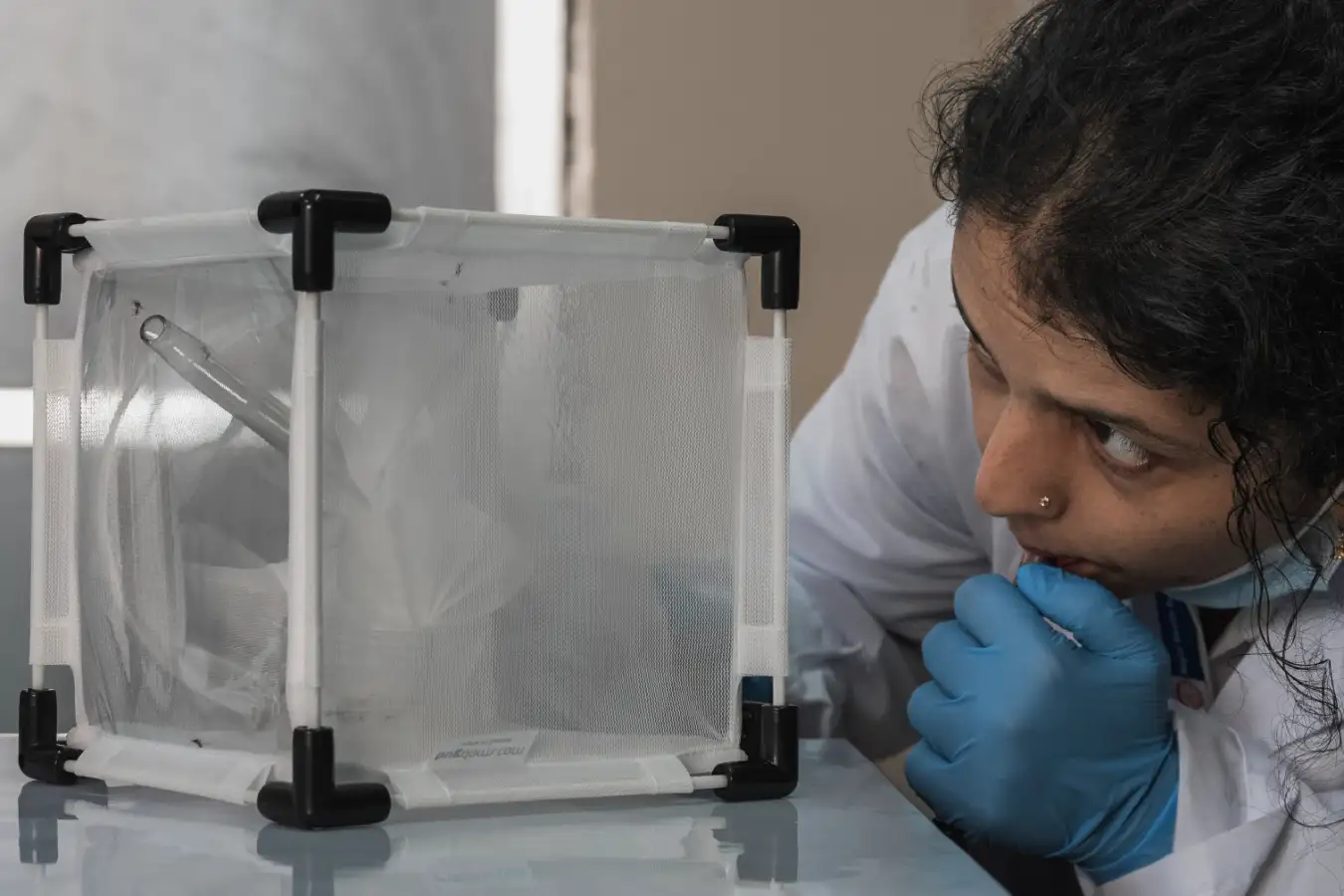
A mosquito is captured in a rearing cage at the Nepal Health Research Council laboratories
Yuri Segalerba
Below, sheets are seen drying in the sun in the courtyard of Pokhara Hospital. Pokhara is the main gateway to the high-altitude region of Mustang, where Segalerba says dengue cases have recently been reported. Experts fear reported cases are a small fraction of the true infection level, he says, because around 90 per cent of infected people are asymptomatic, and many cases and deaths may go unreported.
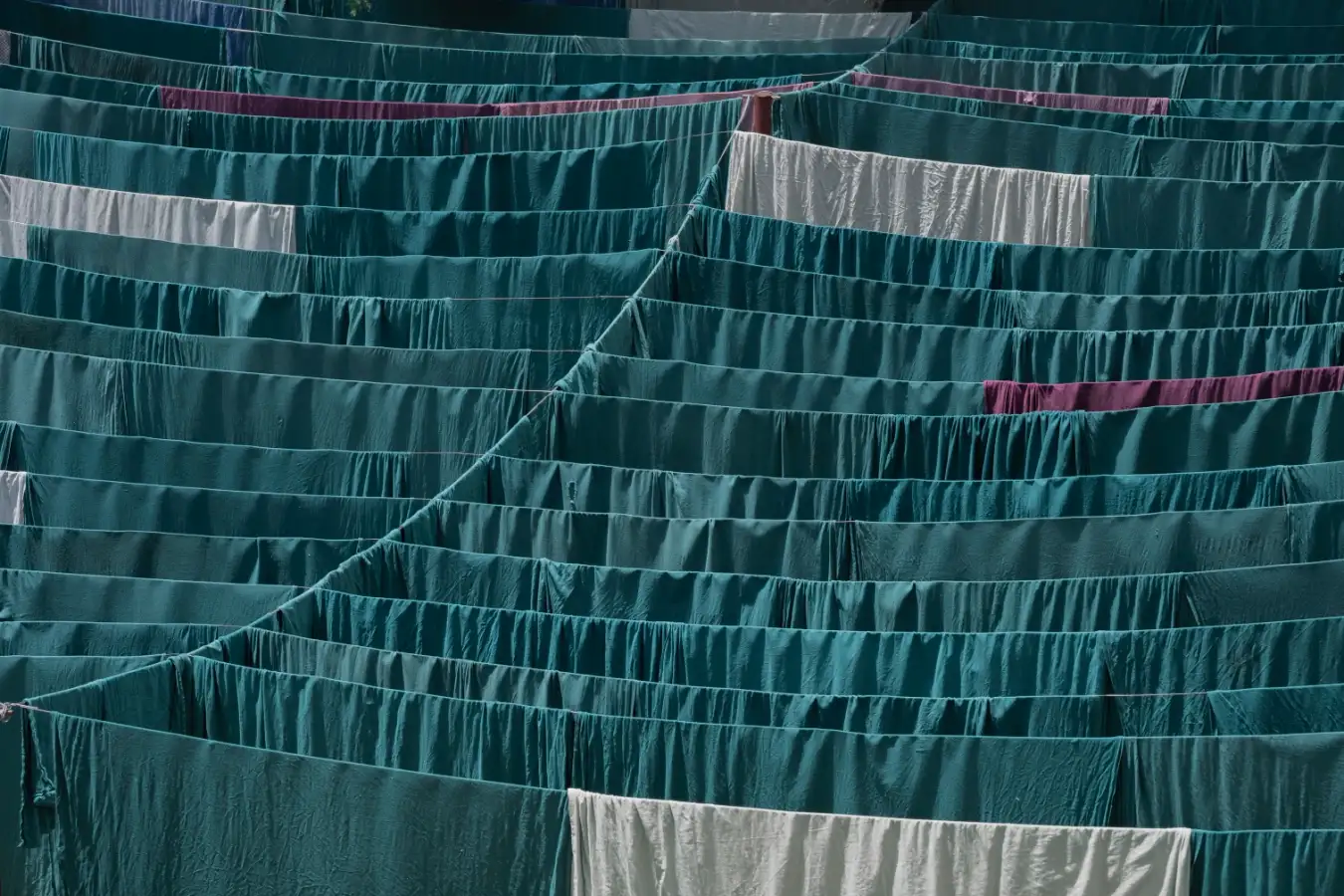
Sheets dry in the courtyard of Pokhara Hospital, Nepal
Yuri Segalerba
Topics:
Source link : https://www.newscientist.com/article/2523223-striking-photo-essay-examines-deadly-spread-of-dengue-fever-in-nepal/?utm_campaign=RSS%7CNSNS&utm_source=NSNS&utm_medium=RSS&utm_content=home
Author :
Publish date : 2026-04-22 18:00:00
Copyright for syndicated content belongs to the linked Source.