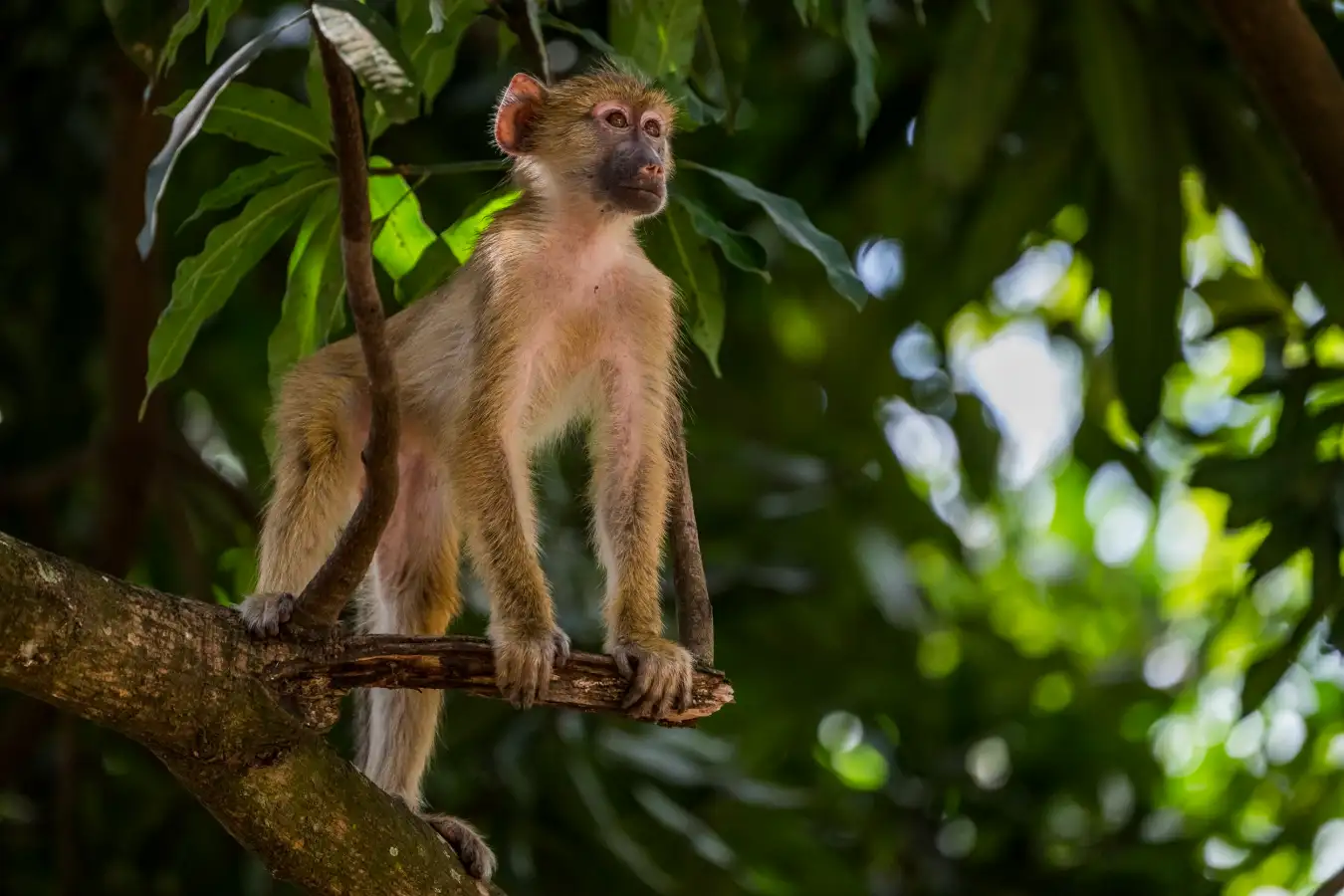
A yellow baboon stands watch
Frederic Noy/Panos Pictures
A young yellow baboon (above) looks out over the Udzungwa Mountains National Park in Tanzania. The Udzungwa mountains are covered by very rich rainforests, but their remoteness means the area was relatively unexplored by biologists until recently.
There are six species of primate living in the park, and for two of these species – the Udzungwa red colobus and the Sanje crested mangabey – the park is their last refuge. Another animal found here, the kipunji monkey, was only recognised as a new species in 2003 – the first new monkey species discovered in Africa since the Sanje crested mangabey in the 1980s.
“To me, it was kind of magic,” says photographer Frédéric Noy, who has taken a series of images giving an insight into the region. It’s not so surprising that we are still discovering new species of fish in the deep sea or tiny insects on land, he says. “But mammals, wow!”
What’s more, the kipunji were later assigned their own genus, Rungwecebus – the first new monkey genus since 1923. There are estimated to be just 2000 of them remaining, some at Udzungwa and some in another part of Tanzania.
Other recent discoveries in Udzungwa include the giant tree Tessmannia princeps, which can grow as high as 40 metres. It was described as a new species just last year.
On one side of the mountains, native trees are being planted in deforested areas as part of a project known as the Udzungwa Corridor. The aim is to link the Udzungwa Mountains National Park to another reserve nearby.

Workers from the Udzungwa Corridor project cultivating seedlings for an upcoming planting campaign
Frederic Noy/Panos Pictures
The work is being funded by selling carbon credits, allowing local people to earn money if they agree to plant trees on their land. The photo above shows part of one of the nurseries raising trees for the project, alongside some other plants.
Many people around Udzungwa maintain beehives (shown below). The main reason is to provide an extra source of income – the practice has been encouraged to help compensate those who can no longer exploit the resources of the Udzungwa Mountains National Park. Another reason is that hives are thought to deter elephants. There are no elephants living in the park itself, says Noy, but they do sometimes wander in from nearby areas.
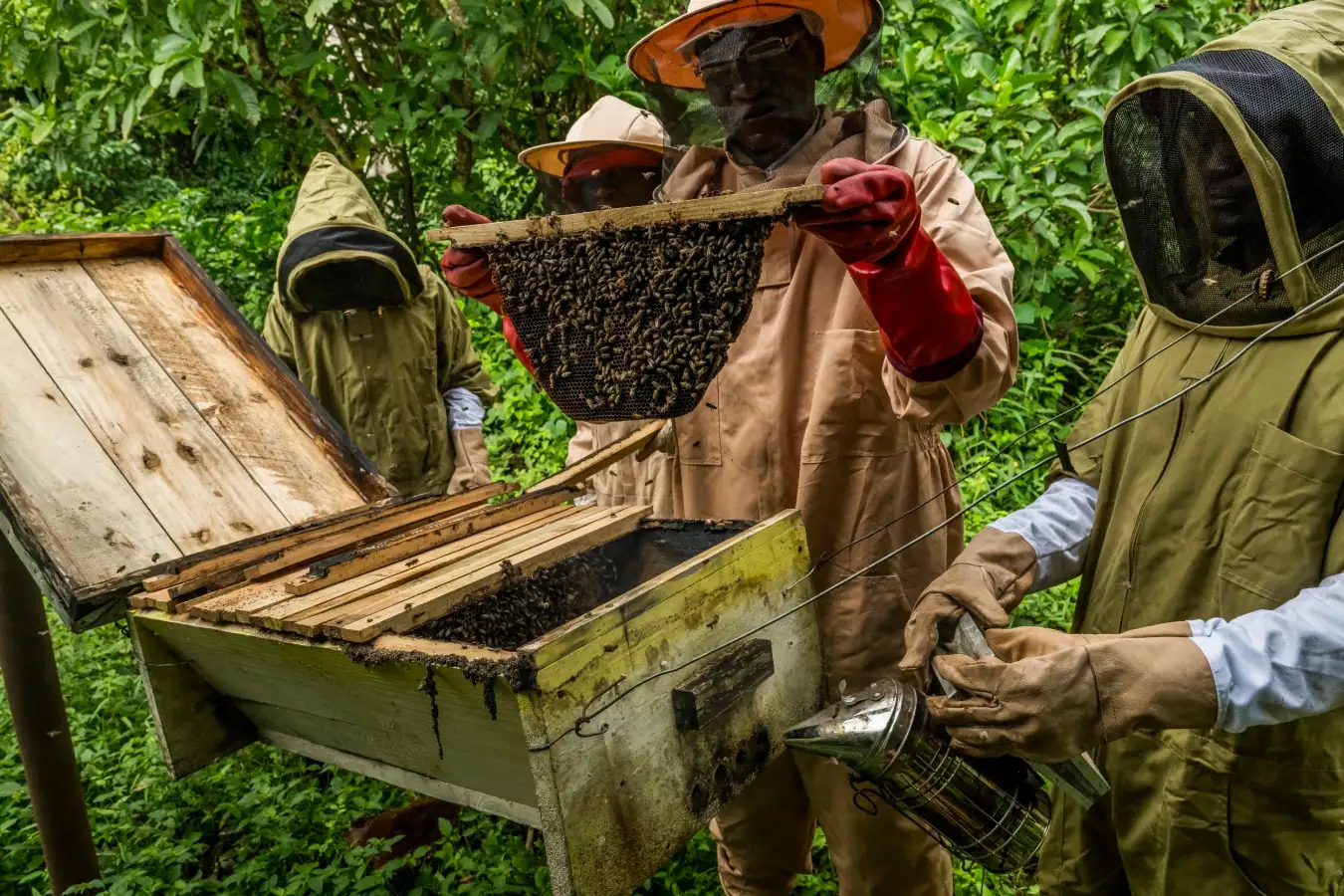
This beekeeping project has lined a fence with beehives to deter any passing elephants
Frederic Noy/Panos Pictures
Sugarcane is one of the main crops grown in the area. Below, a truck carrying sugarcane drives through fields of the crops, with the Udzungwa mountains rising in the background. Part of the Sanje Falls are visible.
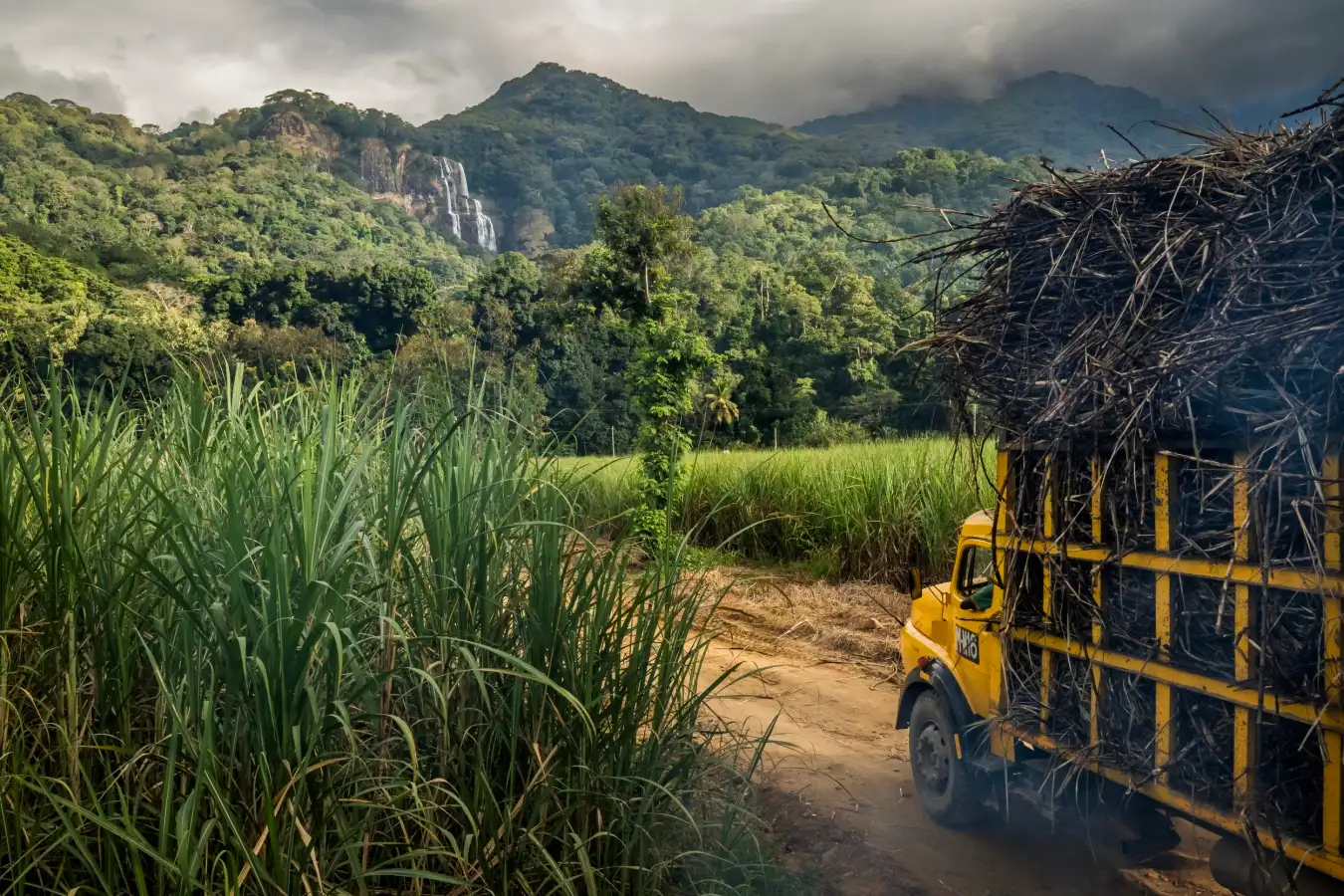
A truck transports a load of sugar cane, with the Udzungwa Mountains in the background
Frederic Noy/Panos Pictures
Source link : https://www.newscientist.com/article/2511579-stunning-images-reveal-the-rich-biodiversity-of-remotest-tanzania/?utm_campaign=RSS%7CNSNS&utm_source=NSNS&utm_medium=RSS&utm_content=home
Author :
Publish date : 2026-01-21 18:00:00
Copyright for syndicated content belongs to the linked Source.